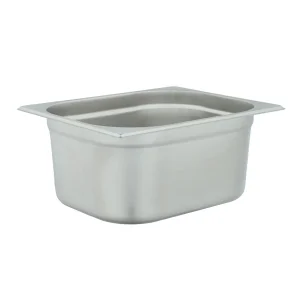
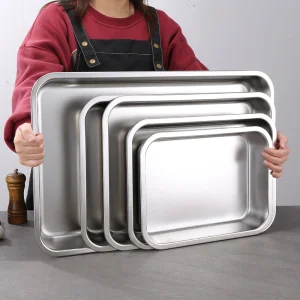
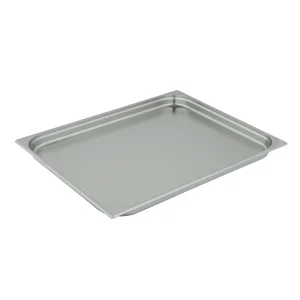
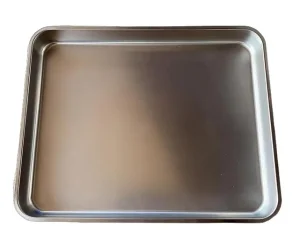
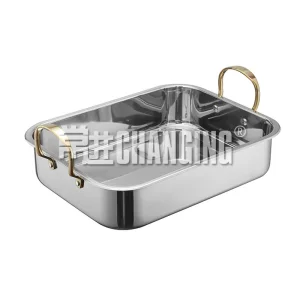
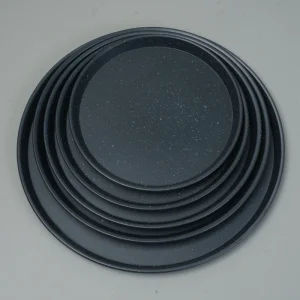
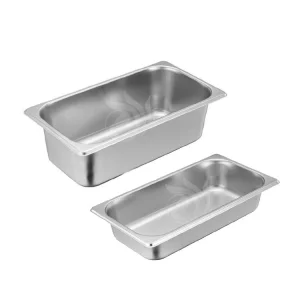
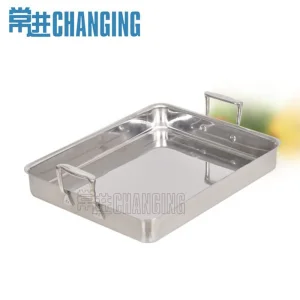
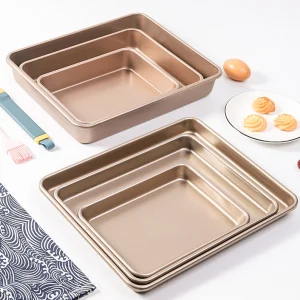
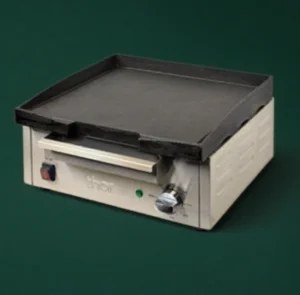
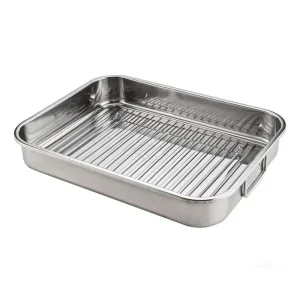
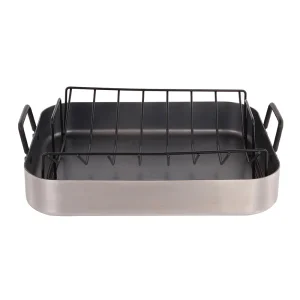
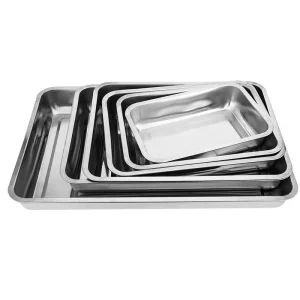
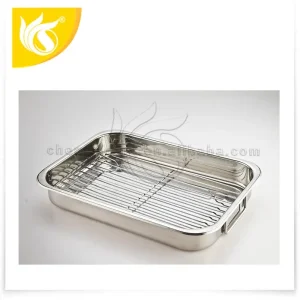
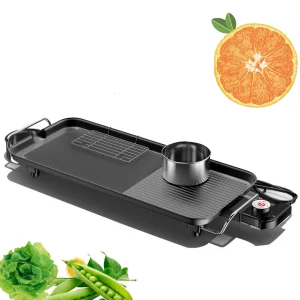
Optimized 1/1, 2/1, and Gastronorm roasting solutions engineered for direct integration into commercial convection systems and high-throughput environments.
Israel's hospitality, restaurant, and catering (HORECA) sectors have undergone an intensive structural modernization over the past decade. Driven by Tel Aviv's dynamic culinary reputation, high-volume institutional needs in Jerusalem, and multi-national hotel developments in Eilat, food service operators demand cookware that marries extreme thermal endurance with regulatory safety. In this high-stakes market, stainless steel roasting pans are not merely utility items; they are precision heat transfer vehicles crucial to operational efficiency.
Moreover, the commercial cookware ecosystem in Israel requires strict compliance with food-contact material guidelines. Unlike consumer retail, the commercial segment operates under rigorous thermal stress profiles. Convection ovens, high-velocity steam cookers, and open flame grills are typical in Israel's production kitchens, necessitating roasting pans that resist structural warping under rapid temperature cycles.
A crucial dynamic unique to the Israeli commercial foodservice industry is the implementation of Kashrut (Kosher food preparation laws). Kitchens must strictly segregate meat (Basar) and dairy (Chalav) preparation lines. Stainless steel is the industry-preferred material for this operational structure due to its non-porous surface. Unlike copper, cast iron, or low-grade aluminum, high-gauge 304 (18/10) stainless steel does not absorb or retain organic compounds or food residues, making the sterilization and koshering process (Hag'alah) highly efficient and reliable.
Furthermore, B2B procurement strategies in Israel require high corrosion resistance. The coastal salinity of cities like Haifa, Ashdod, and Tel Aviv, combined with the heavy use of acidic elements in Mediterranean cooking (such as lemon juice, tomatoes, and vinegar), can compromise low-grade alloys. By deploying chromium-nickel heavy-gauge steel, manufacturers ensure that the cookware remains inert, rust-free, and structurally stable for long-term cycles.
Engineered for high-volume commercial catering, hotel buffet displays, and specialty baking requirements across Israel's food service sectors.
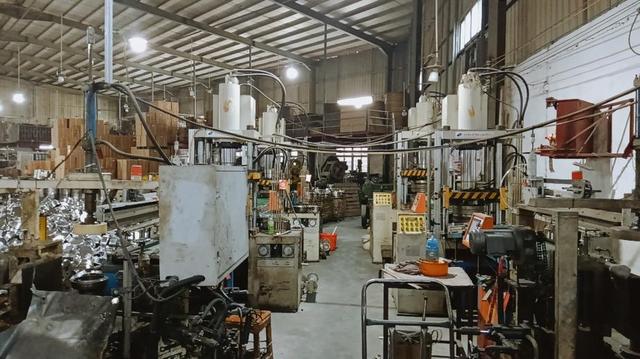
The manufacturing landscape for commercial stainless steel cookware has transitioned from labor-intensive mechanical pressing to AI-assisted precision engineering. Contemporary facilities utilize computer-numerical control (CNC) spinning, laser-aligned welding systems, and optical-sensor-guided robotic polishing to ensure dimensional consistency down to the micron. This extreme level of accuracy is critical for B2B distributors in Israel who supply automated hotel cooking units where pan tolerances must match oven slot rails perfectly.
By leveraging advanced thermodynamic simulations, factories can optimize the thickness profile of a roasting pan. The base of the pan is often thickened to prevent thermal shock warping, while the side walls are calibrated to optimize overall weight, balancing structural integrity with commercial handling requirements. In international logistics, these weight optimizations also directly translate into lower shipping costs per container unit, maximizing the margins of Israeli buyers.
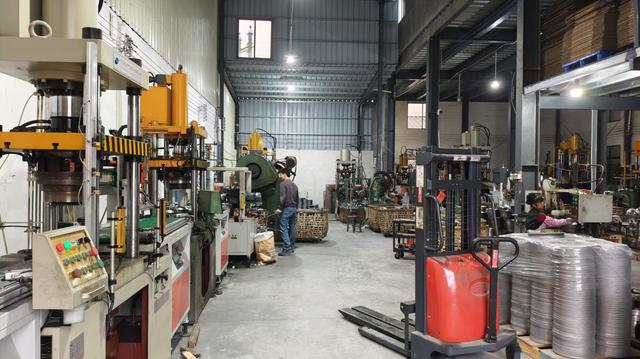
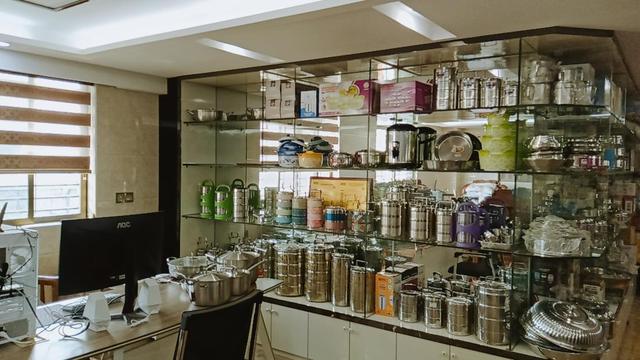
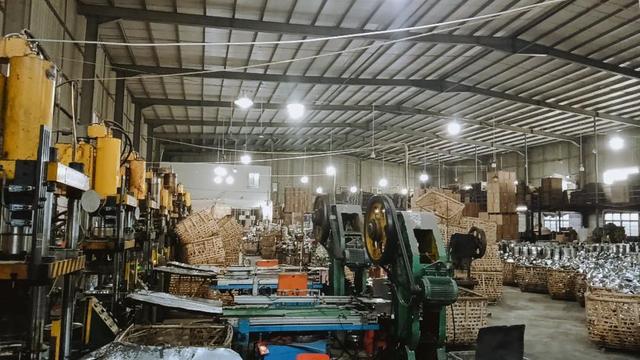
Established in 2011 in the global manufacturing epicenter of Foshan, Guangdong Province, China, Foshan Sarap Kitchen Co., Ltd. stands as a primary exporter of high-grade culinary cookware to the Middle East, Europe, and North America. Spanning a vast 22,000 square meters production facility and backed by more than 250 skilled employees, the company has integrated end-to-end design, tooling, deep-draw pressing, automated multi-stage polishing, and rigorous inspection protocols under one roof.
Sarap Kitchen offers specialized OEM/ODM capabilities to customize roasting pans tailored for Israeli food-service distributors. Options include precise custom Gastronorm sizes, custom ear-handle designs for easy lifting in confined commercial spaces, multi-ply cladded bases (combining aluminum core for heat conduct and stainless steel for durability), and private-label embossing. Every manufacturing batch is subject to strict quality assurance steps to comply with FDA, LFGB, and international standards.
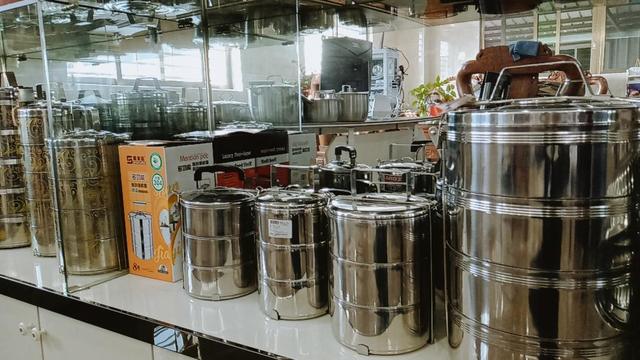
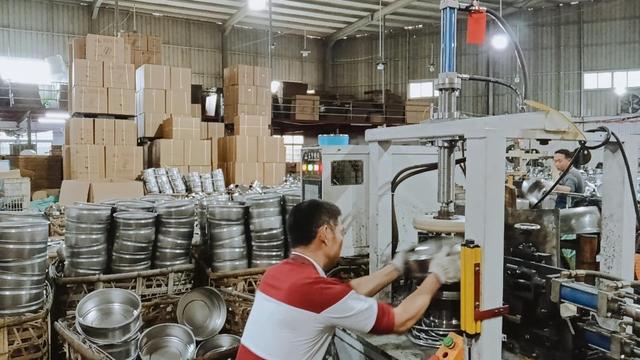
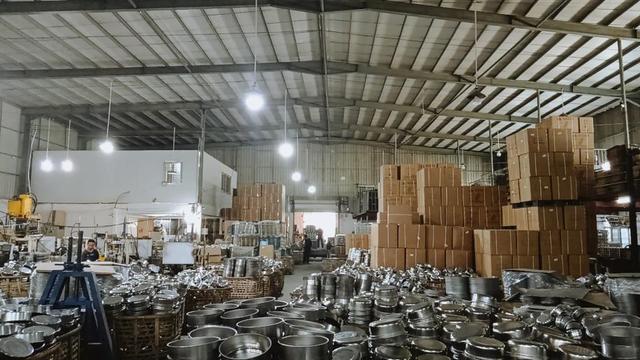
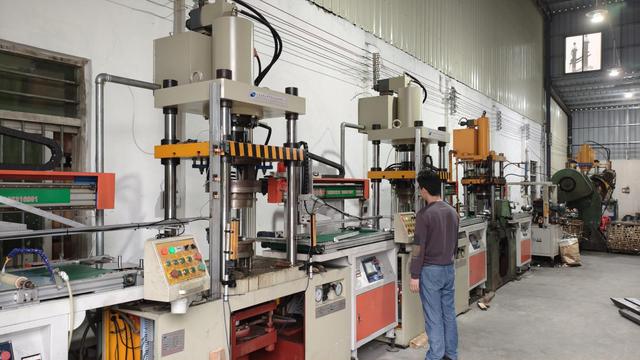
Navigating the logistics corridor from Chinese manufacturing hubs to the State of Israel requires strategic B2B planning. Typically, shipments depart from South China ports (such as Nansha or Shenzhen) and travel through key shipping lanes to reach either the Port of Ashdod (serving central and southern regions) or the Port of Haifa (serving the north). Efficient logistics routing reduces transit times to approximately 22–30 days under standard sea freight schedules.
Furthermore, seasoned B2B importers understand the importance of matching shipping documentation with Israeli customs standards (such as Israel Standards Institute certification for food-contact metals). Working with an experienced manufacturer like Sarap Kitchen ensures that packing lists, certificates of origin, and mill analysis reports are prepared flawlessly to avoid clearance delays. Our packaging solutions utilize heavy-duty corrugated cartons and fumigated wooden pallets, ensuring that products survive long sea voyages without surface scratches or structural deformities.
Looking ahead, the culinary industry is witnessing an evolution in smart thermal coatings and induction-ready structures. Future roasting pan designs will integrate multi-layered clad metals that utilize high-magnetic-induction responsive alloys at the base, allowing conventional roasting pans to be placed directly onto high-output induction ranges for stovetop searing before transferring to standard convection ovens. This hybrid capability cuts prep time and clean-up overhead in half.
Sustainability is also steering the B2B tech roadmap. Major institutional buyers in Europe and Israel now actively seek cookware produced with high percentages of recycled steel, certified via global trace organizations. By implementing green factory practices—including waste heat recovery and closed-loop water treatment in our Foshan production facility—Sarap Kitchen is positioned to support our global partners in achieving their corporate social responsibility and carbon reduction targets.
A comprehensive B2B selection of custom-engineered roasting trays, rack assemblies, and specialized oven vessels designed for high-load durability.
In-depth technical answers regarding materials, certifications, logistics, and customization for commercial cookware distribution in Israel.