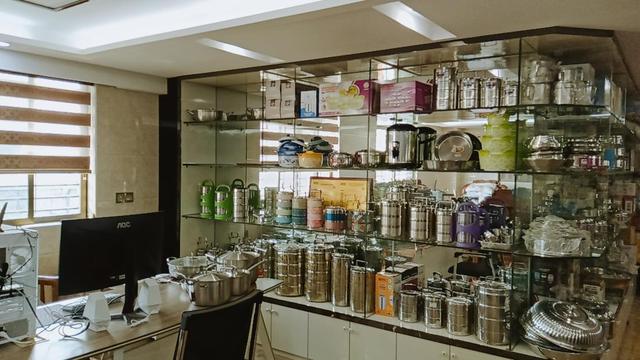
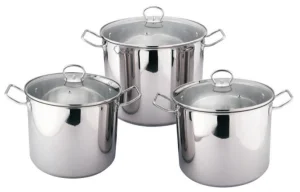
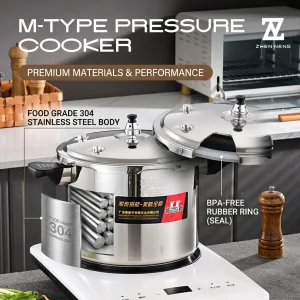
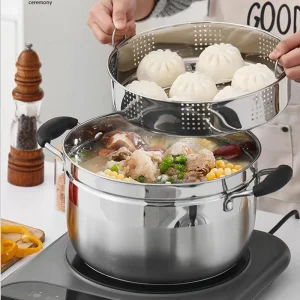
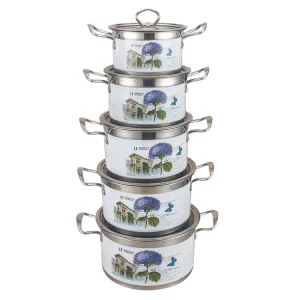
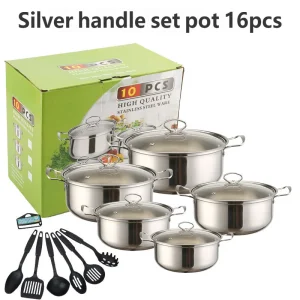
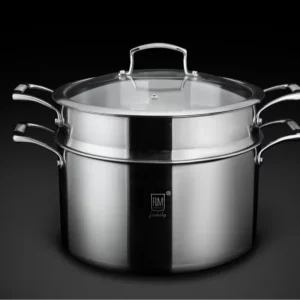
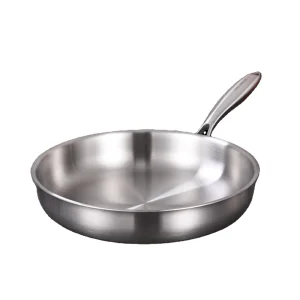
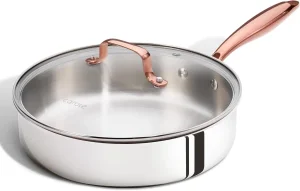
The global landscape for stainless steel soup pots has transitioned from mere functional utility to a high-tech engineering discipline. As a premier China-based supplier, we observe that the 2024-2025 market is being reshaped by three primary vectors: Material Purity, Thermal Efficiency, and Ergonomic Intelligence.
Information Gain: Modern procurement is no longer just about the "304 grade" label. It's about the trace element control in the alloy. High-end soup pots now utilize SUS304L or SUS316Ti (Titanium-stabilized) to ensure zero leaching during prolonged acidic simmering, a critical factor for the health-conscious European and North American markets.
Total heat distribution via aluminum core cladding between surgical-grade steel layers.
Optimized magnetic flux density for rapid heating on modern 5kW induction cooktops.
Low-carbon manufacturing processes and 100% recyclable metallic components.
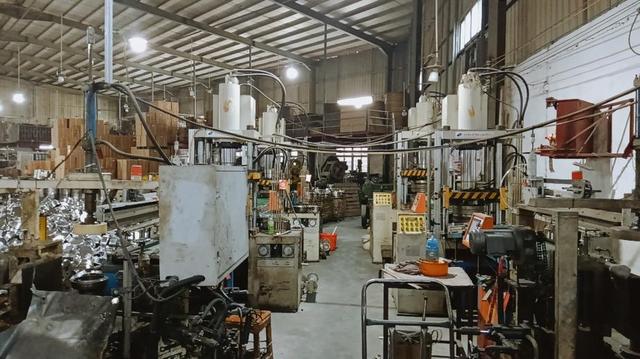
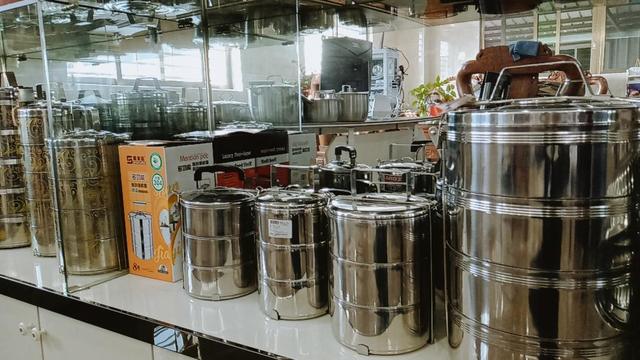
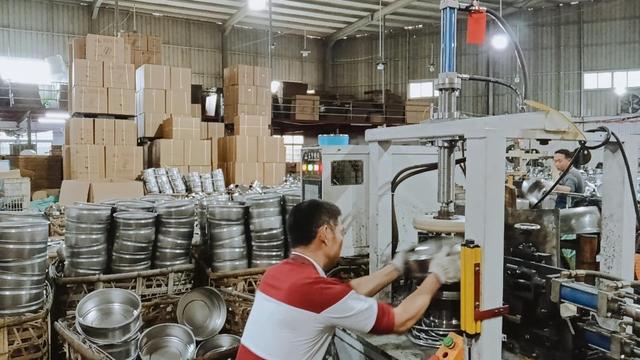
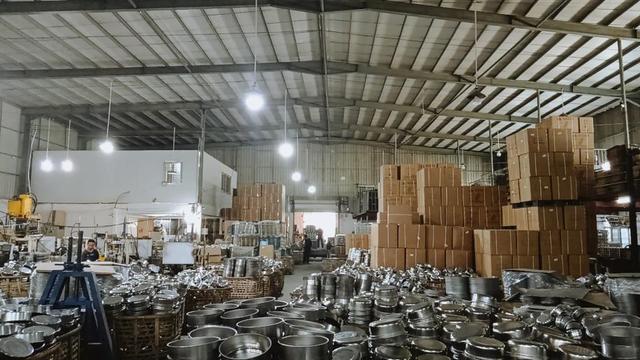
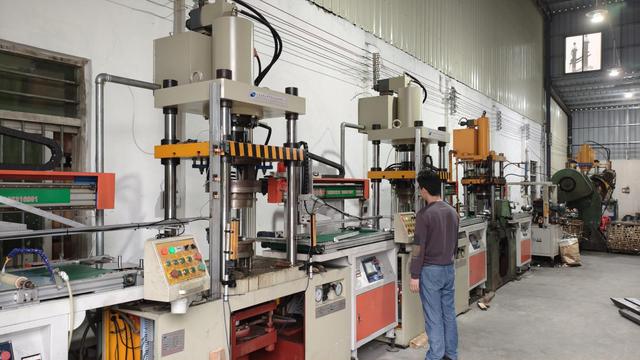
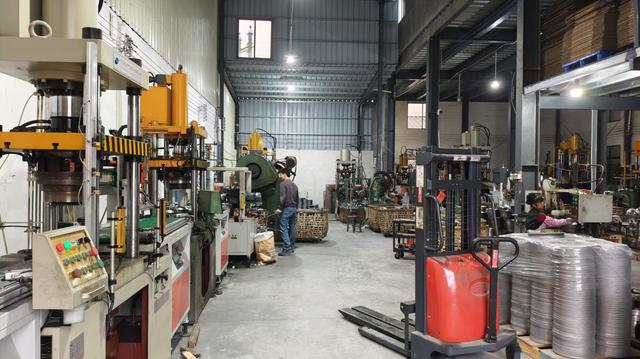
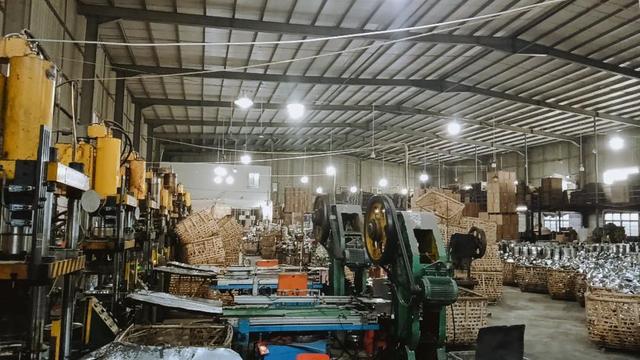
Foshan Sarap Kitchen Co., Ltd. stands as a beacon of professional manufacturing in Guangdong Province. Since 2011, we have bridged the gap between traditional craftsmanship and automated precision. Our facility spans over 22,000 square meters, housing state-of-the-art hydraulic presses and automatic polishing lines.
Years of Expertise
Skillful Workers
Export Countries
Certified Quality
Our operational philosophy is rooted in the E-E-A-T principle. With over a decade of hands-on Experience, our Expertise in metallurgical bonding is unmatched. We are a recognized Authority in OEM/ODM services for Tier-1 global cookware brands, maintaining a Trustworthiness rating backed by rigorous third-party audits and CE/LFGB/FDA compliance.
Global enterprises face volatile supply chains. Our solution-oriented approach focuses on "Total Cost of Ownership" (TCO) rather than unit price alone. For B2B buyers in North America, Europe, and the Middle East, we provide:
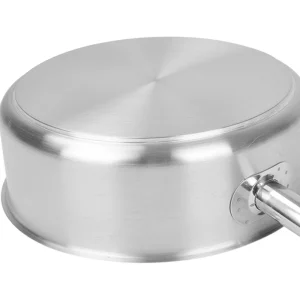
Strategic Insight: The rise of "Smart Kitchens" has increased the demand for soup pots with flat-bottom precision (deviation < 0.05mm) to ensure 100% surface contact with electric sensors. Our latest series incorporates this technical standard as a baseline.
Looking toward 2030, Sarap Kitchen is investing in "Green Metallurgy." This includes reducing the energy footprint of our impact-bonding process by 30% and exploring the integration of IoT sensors within commercial-grade stock pots for temperature telemetry.
Transitioning to 90% robotic arm polishing for perfect mirror finishes.
Developing lightweight Graphene-infused multi-ply layers for ultra-fast thermal response.
Switching to 100% solar-powered assembly plants in the Foshan hub.