High-precision stainless steel fabrications designed for heavy-duty commercial kitchen environments and global retail brands.
Over the past five years, the global food containers and lunch box industry has undergone a radical transformation. Driven by stringent environmental policies, municipal plastic bans, and an increasingly health-conscious consumer base, the demand for metal food containers has reached historic highs. As global entities, B2B procurement professionals are tasked with selecting manufacturing partners that not only deliver cost-efficiencies but also demonstrate compliance with strict chemical and material directives.
Stainless steel, particularly food-grade austenitic alloys like SUS304 (18/8) and marine-grade SUS316 (18/10), stands out as the ultimate material solution. Unlike plastics, which degrade over time and risk leaching endocrine disruptors like Bisphenol A (BPA) under thermal load, stainless steel is inert, structurally robust, and infinitely recyclable. This section reviews the fundamental macro-forces shaping the sourcing decisions of global importers, brand managers, and hospitality procurement teams.
Modern enterprises prioritize three critical factors when onboarding stainless steel lunch box manufacturers:
By blending deep technological expertise in multi-ply stamping, draw forming, and automated high-mirror polishing, leading manufacturers are expanding their standard portfolios. They are incorporating custom lunch box designs, dual-wall thermal food jars, and integrated modular bento systems to meet shifting consumer demands.
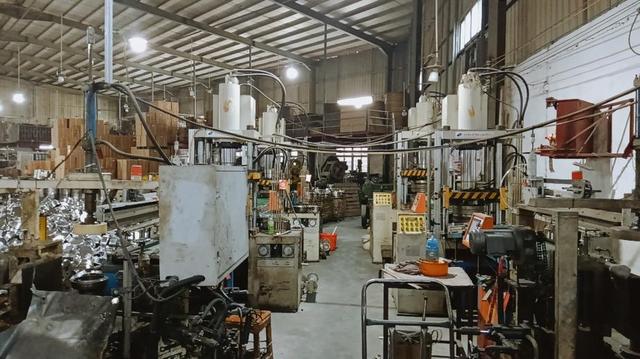
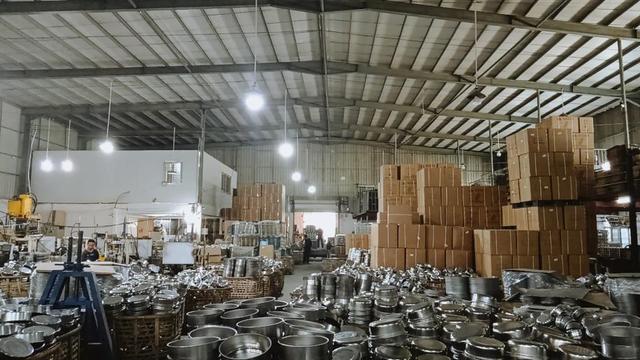
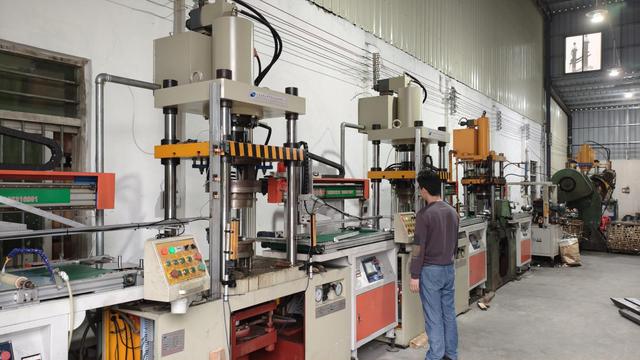
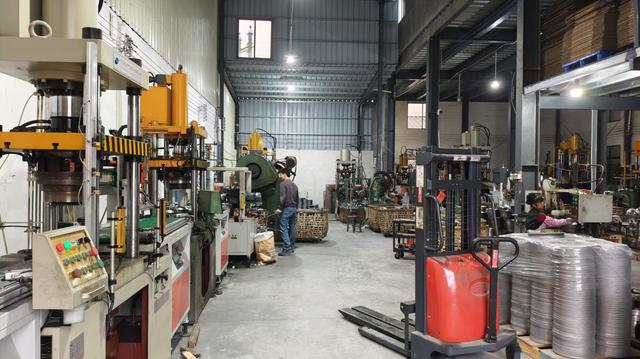
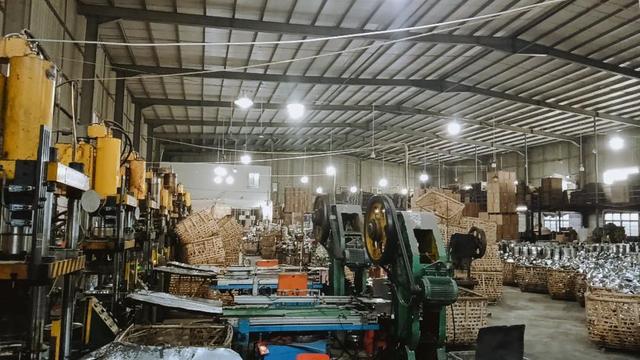
Foshan Sarap Kitchen Co., Ltd. is a professional manufacturer specializing in stainless steel cookware and kitchenware solutions for residential, commercial, and professional culinary applications worldwide. Established in 2011, the company is located in Foshan, Guangdong Province, one of China's leading manufacturing hubs for kitchenware and household products. With a production facility covering over 22,000 square meters and a workforce of more than 250 employees, Sarap Kitchen has developed comprehensive capabilities in cookware design, manufacturing, quality control, and international export services.
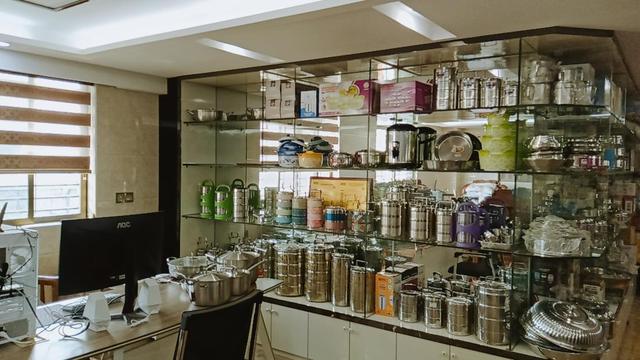
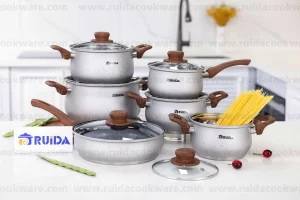
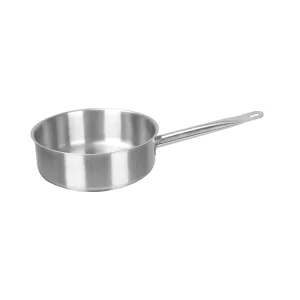
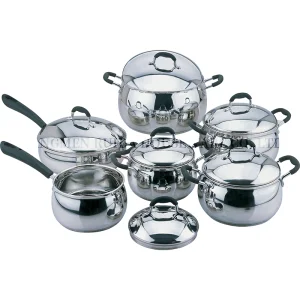
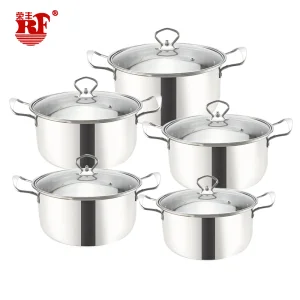
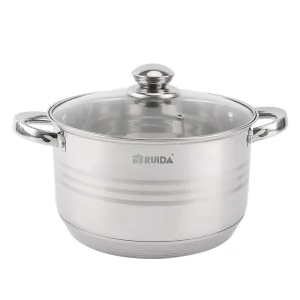
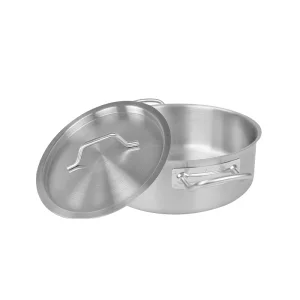
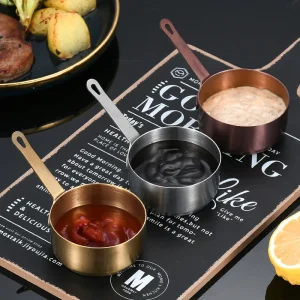
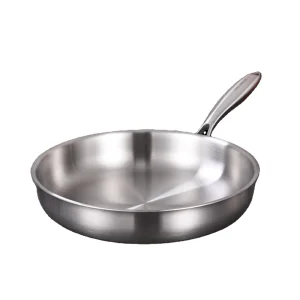
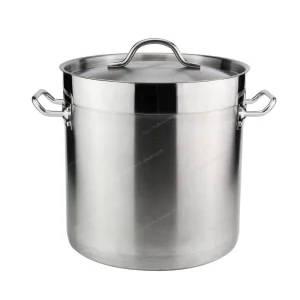
The company focuses on the production of stainless steel frying pans, saucepans, stock pots, sauté pans, casserole pots, steamers, cookware sets, and customized kitchenware products. Utilizing advanced manufacturing equipment, automated polishing lines, precision forming technologies, and strict quality management procedures, Sarap Kitchen delivers cookware solutions designed for durability, heat distribution efficiency, and long-term performance.
Serving distributors, retailers, hospitality groups, cookware brands, and foodservice equipment suppliers, Sarap Kitchen offers flexible OEM and ODM manufacturing services. Customers can customize product specifications, materials, surface finishes, handles, packaging, branding, and private-label requirements to meet diverse market demands.
Innovation and product development remain central to the company's growth strategy. Its engineering team continuously explores improvements in multi-ply construction, induction-compatible designs, ergonomic features, and sustainable manufacturing practices. Every product undergoes rigorous inspection throughout the production process to ensure consistency and compliance with international quality standards.
Today, Foshan Sarap Kitchen Co., Ltd. exports to North America, Europe, the Middle East, Southeast Asia, South America, and other global markets. Through reliable manufacturing capabilities, customer-oriented service, and continuous product innovation, the company supports partners seeking high-quality stainless steel cookware solutions for both household and commercial kitchens.
How modernized industrial hubs leverage automation, industrial clustering, and predictive logistics to insulate global buyers from volatility.
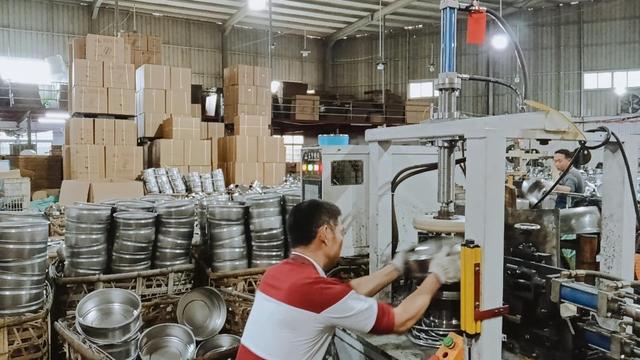
Modern factories utilize heavy-tonnage hydraulic transfer presses and CNC progressive dies to stamp out lunch box shells. This robotic approach ensures uniform wall thickness, zero stress fractures, and precise dimensional control down to 0.05mm. This high level of precision is critical for maintaining leak-proof integrity over long-term use.
To join internal compartments, division walls, and handles, top-tier factories have transitioned from traditional resistance spot welding to advanced fiber laser welding systems. Laser welding produces incredibly narrow, deep welds with minimal heat affected zones (HAZ). This preserves the integrity of the corrosion-resistant chromium oxide film.
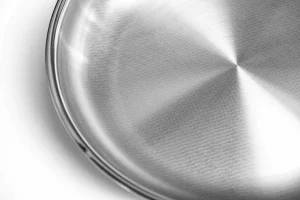
Instead of manual mechanical buffing, which presents environmental hazards and surface inconsistencies, Industry 4.0 facilities utilize automated electro-chemical polishing lines. This process selectively dissolves microscopic high points on the metal surface, resulting in an ultra-smooth, high-purity finish that is easy to sanitize.
Furthermore, localizing production within manufacturing hubs like Guangdong Province grants factories immediate access to a deep downstream supply chain. From high-grade raw cold-rolled steel coils to premium FDA-approved silicone seal extruders, this localized integration reduces lead times by up to 30% compared to isolated manufacturers. It also helps insulate global buyers from unexpected logistics disruptions.
A comparative analytical framework detailing the critical parameters of leading stainless steel metalware and lunch box manufacturers.
| Core Parameters | Industry Standard Benchmarks | Premium Supplier Standards (e.g., Sarap Kitchen) | Critical Testing Standard Compliances |
|---|---|---|---|
| Metallurgical Purity | General SUS304 / Reclaimed Scrap | Virgin SUS304 (18/8) / SUS316 (18/10) with MTC (Material Test Certificates) | ASTM A240, JIS G4305 |
| Leak-Proof Engineering | Low-density PVC/PE seals | Platinum-cured liquid silicone gaskets with high recovery rates | FDA 21 CFR 177.2600, LFGB Section 30/31 |
| Insulation Methods | Single Wall, basic air gaps | Double-wall vacuum insulation with inner copper lining for temperature retention | EN 12546-1:2000 Thermal Standards |
| Surface Finishes | Standard industrial polishing | Electro-chemical passivation and zero-lead physical vapor deposition (PVD) | REACH Heavy Metal Limits |
| Tooling Capabilities | Outsourced mold-making | In-house CAD/CAM tooling facilities for custom industrial designs | ISO 9001:2015 Quality Protocols |
| Social & Labor Ethics | Basic local registration | Third-party audited social responsibility standards | BSCI, SEDEX (SMETA 4-Pillar), SA8000 |
Looking ahead to 2025–2030, the technical development of stainless steel lunch boxes and food prep containers is centered around three primary areas: heating compatibility, weight reduction, and smart tracking.
Historically, placing metal containers inside a microwave oven posed severe hazards due to electrical arcing. However, advanced manufacturers are pioneering a new generation of microwave-safe stainless steel containers. By engineering smooth, rounded geometric shapes and utilizing specialized thin-film oxide coatings that alter electromagnetic reflection, these containers can safely absorb microwave energy to heat food without sparking. This technical breakthrough addresses the primary consumer objection to metal foodware.
While stainless steel is highly durable, it is heavier than plastic. To address this, modern metallurgical R&D is focused on micro-embossed structured walls. This manufacturing method introduces microscopic patterns to the steel sheet during cold rolling, providing structural stiffness and dent resistance. This allows factories to use thinner gauge sheets (reducing wall thickness from 0.6mm to 0.4mm) without sacrificing container strength or durability.
The integration of IoT features into commercial food service containers is expanding rapidly. Leading developers are integrating flexible, food-grade temperature sensors and low-power Bluetooth transceivers into the dry compartment base of high-end lunch boxes. These sensors communicate directly with mobile applications, tracking core food temperature in real-time to ensure compliance with Hazard Analysis Critical Control Point (HACCP) standards.
Additionally, Phase Change Materials (PCM) are being sandwiched between double-walled stainless steel layers. These materials absorb excess heat when hot food is packed and slowly release it over hours. This keeps meals at a consistent serving temperature without the need for heavy battery systems.
Mitigating importation risks through strict adherence to chemical testing, product design registration, and regional distribution laws.
Under the German Food and Feed Code (LFGB) and EU Regulation (EC) No 1935/2004, materials contacting food must not transfer constituents to food in quantities that endanger health. Manufacturers must conduct strict sensory tests (taste and odor transfers) and heavy metal migration tests (specifically targeting nickel, chromium, and manganese release in acidic simulants like 3% acetic acid).
Importing into the United States requires compliance with FDA CFR Title 21 for indirect food additives. Furthermore, under California Proposition 65, all items must be free of lead, cadmium, and other reproductive toxins. Manufacturers must provide documentation verifying that all paints, powder coatings, and electroplating finishes comply with Prop 65 limits.
A key aspect of localization support is ensuring compliance with regional labeling and packaging waste laws (such as the Green Dot / Der Grüne Punkt system in Germany or Triman logo in France). Leading manufacturers collaborate with importers to pre-package, bar-code, and label items according to target market requirements, facilitating seamless customs clearance.
Expert technical answers to high-intent questions asked by procurement officers, importers, and brand owners.
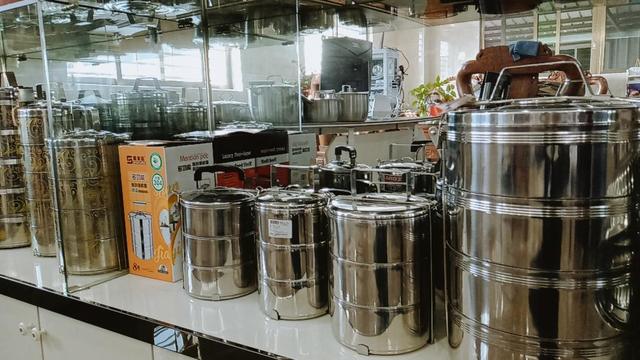
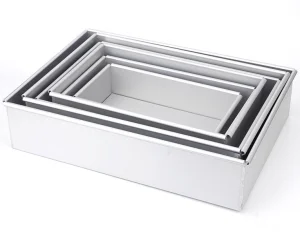
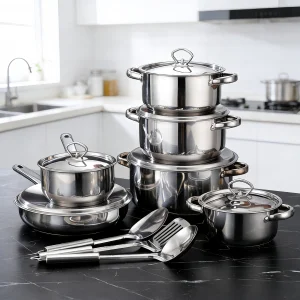
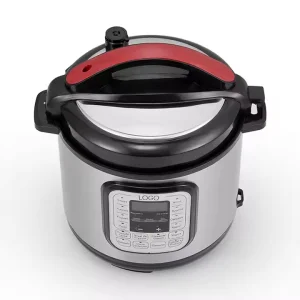
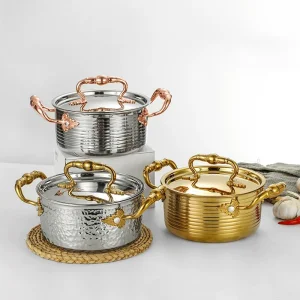
Explore our technical catalog of high-performance commercial and domestic kitchenware fabrications.
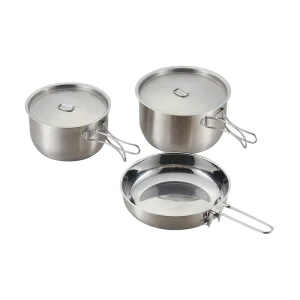
On-site photography showcasing our 22,000 square meter industrial plant, automated production setups, and quality checking centers.