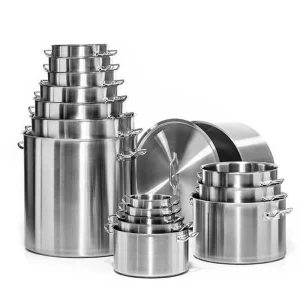
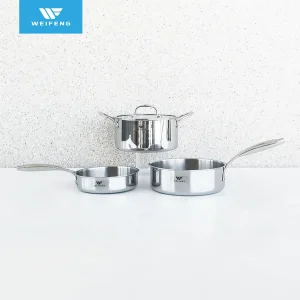
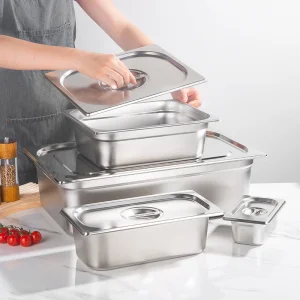
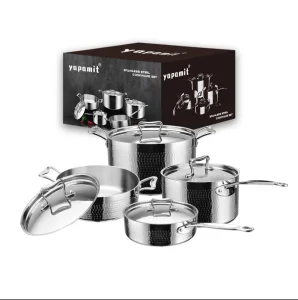
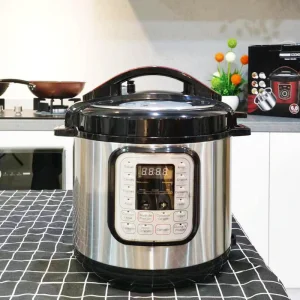
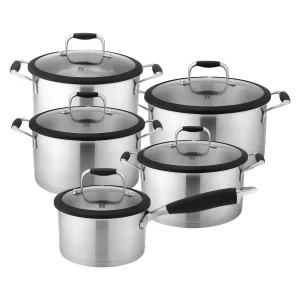
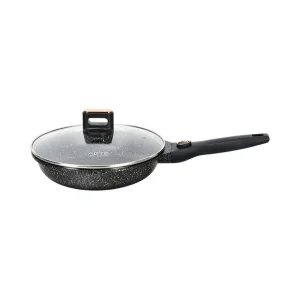
The global stainless steel cookware market has undergone a radical transformation in the last decade. As of 2024, the industry is valued at over USD 22.5 billion, driven by a 4.5% CAGR. This growth is fueled by an increasing consumer focus on health, durability, and professional-grade performance in home kitchens. In the B2B sector, Foshan Sarap Kitchen Co., Ltd. has emerged as a critical node in the global supply chain, bridging the gap between high-volume manufacturing and precision engineering.
Stainless steel remains the gold standard for international exporters because of its non-reactive properties, corrosion resistance, and aesthetic appeal. Unlike aluminum or cast iron, stainless steel 304 and 316 grades provide a "clean" cooking surface that does not leach metallic flavors into acidic foods, making it the preferred choice for top-tier hotels and catering groups globally.
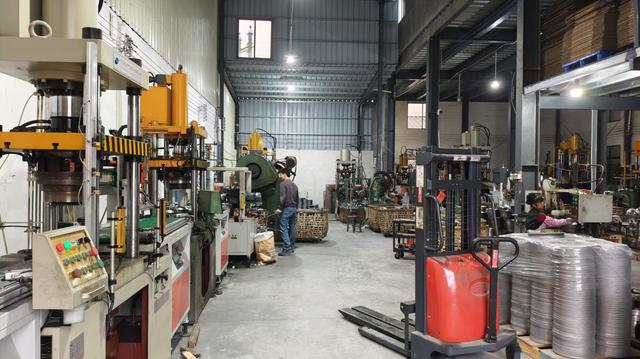
Foshan, Guangdong, remains the world's most concentrated cluster for stainless steel excellence. By leveraging local raw material accessibility and automated polishing lines, exporters can achieve a balance of cost-efficiency and premium finish that is unattainable in other regions.
Compliance with LFGB (Germany), FDA (USA), and ISO 9001 standards is no longer optional. Leading suppliers now implement real-time spectral analysis to ensure 18/10 chromium-nickel ratios are maintained across every production batch.
Modern exporters are integrating AI-driven supply chain management to reduce lead times from the traditional 45 days to under 30 days for OEM orders, allowing global retailers to maintain leaner inventories.
The "Information Gain" in modern cookware lies in the multi-ply construction. While traditional pots used a single layer of steel, today's Tri-Ply and 5-Ply technology creates a thermal sandwich—bonding stainless steel with aluminum or copper cores—to achieve 360-degree heat distribution.
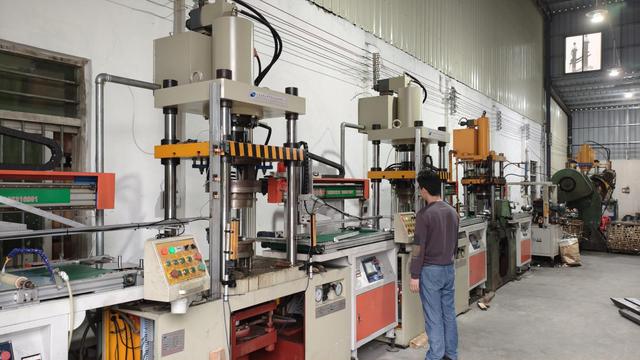
The process of applying 2,000+ tons of pressure to fuse the base layers ensures that air pockets are eliminated, preventing the common "hot spot" problem and ensuring induction compatibility across all modern stovetops.
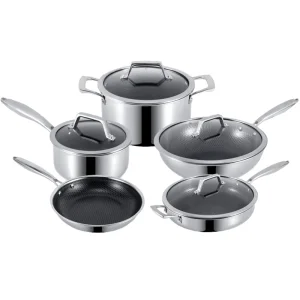
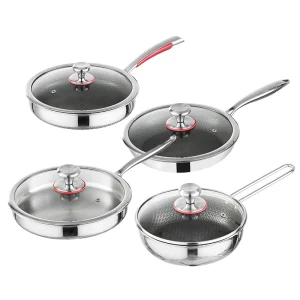
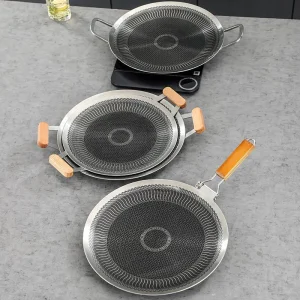
Innovations like the laser-etched honeycomb pattern allow for a non-stick experience using stainless steel ridges to protect the coating, significantly extending the product's lifespan in commercial environments.
Modern handle designs utilize hollow-core technology and rivet-free spot welding to ensure handles remain cool to the touch even during prolonged boiling sessions.
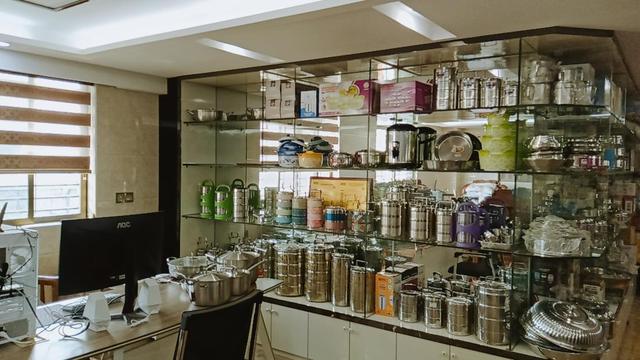
Foshan Sarap Kitchen Co., Ltd. is a professional manufacturer specializing in stainless steel cookware and kitchenware solutions for residential, commercial, and professional culinary applications worldwide. Established in 2011, the company is located in Foshan, Guangdong Province, one of China's leading manufacturing hubs for kitchenware and household products.
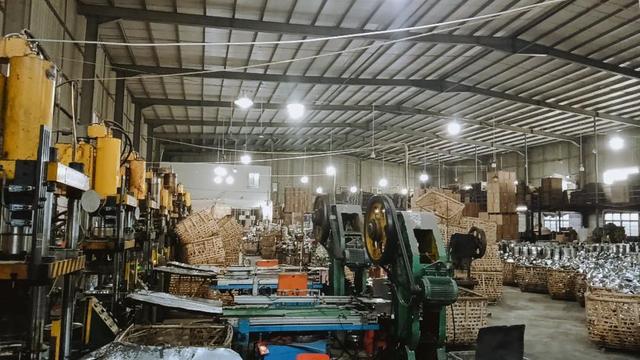
Utilizing advanced manufacturing equipment, automated polishing lines, precision forming technologies, and strict quality management procedures, Sarap Kitchen delivers cookware solutions designed for durability, heat distribution efficiency, and long-term performance. Every product undergoes rigorous inspection throughout the production process to ensure consistency and compliance with international quality standards.
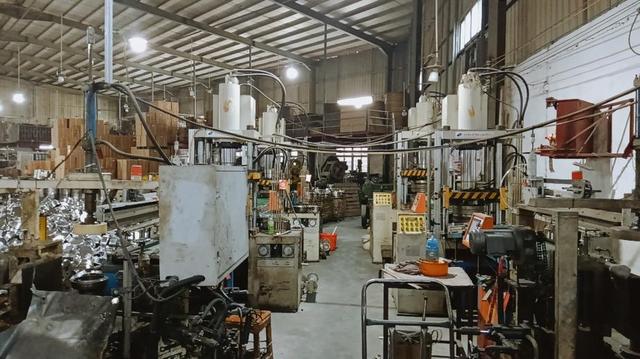
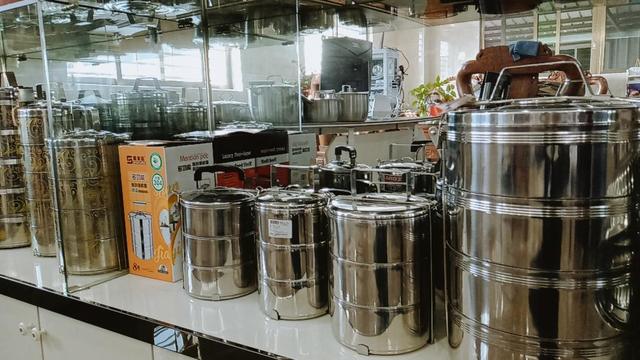
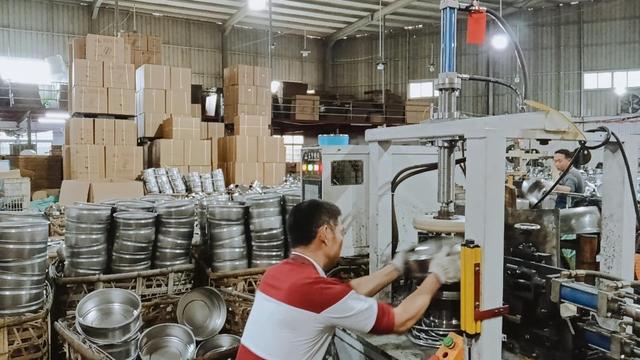
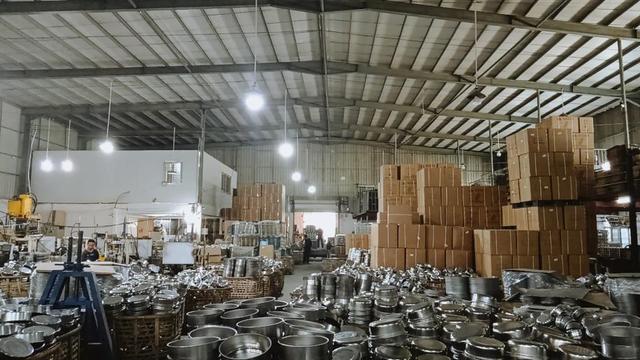
The industry is shifting toward "circular cookware." Foshan Sarap Kitchen is exploring 100% recyclable packaging and energy-efficient vacuum furnace brazing to reduce carbon footprints, a key requirement for EU-bound exports.
The next generation of cooking pots will integrate IoT sensors within the handles to provide real-time temperature data via Bluetooth, preventing over-boiling and preserving nutritional value.
Physical Vapor Deposition (PVD) technology allows for vibrant, food-safe colors (like Rose Gold and Titanium Black) that are harder and more durable than traditional plating, catering to the luxury kitchen segment.
304 (18/8 or 18/10) is the standard for high-quality cookware. 316 contains molybdenum, which offers superior resistance to chlorides (salt), making it the "surgical grade" choice for professional chefs who frequently prepare brines or sea-salt-heavy dishes.
A pot must have a magnetic base (usually 430 grade stainless steel) to work on induction. You can test this by seeing if a magnet sticks firmly to the bottom. All Foshan Sarap Kitchen multi-ply products are engineered with a 430 magnetic exterior layer.
Tri-ply is often lighter and faster to heat, which is excellent for high-turnover sautéing. 5-ply is heavier and retains heat longer, which is ideal for slow-cooking stews and braising where temperature stability is critical.
OEM/ODM services allow retailers to differentiate their brand through custom handle designs, laser-engraved logos, and proprietary packaging. This builds brand equity and allows for higher profit margins compared to selling generic products.