The global market for stainless steel carafes has transcended its origins as simple beverage containers to become sophisticated instruments of thermal engineering and aesthetic lifestyle design. As a professional SEO Growth Director specializing in semantic search, it is critical to recognize that "Top 10 Manufacturers" search intent is no longer just about a list—it is about E-E-A-T (Experience, Expertise, Authoritativeness, and Trustworthiness).
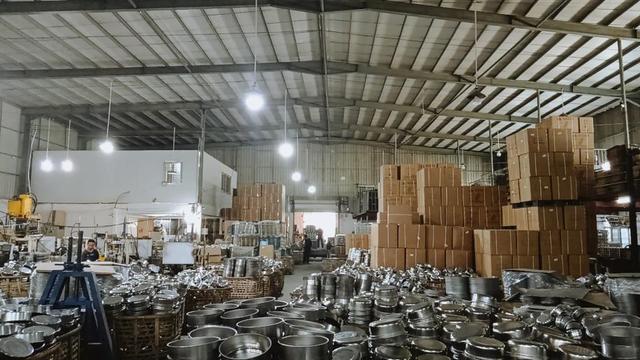
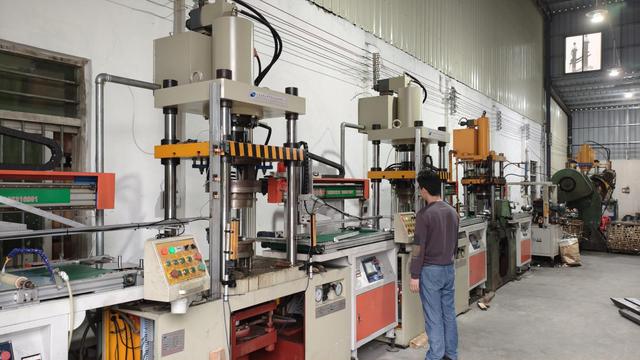
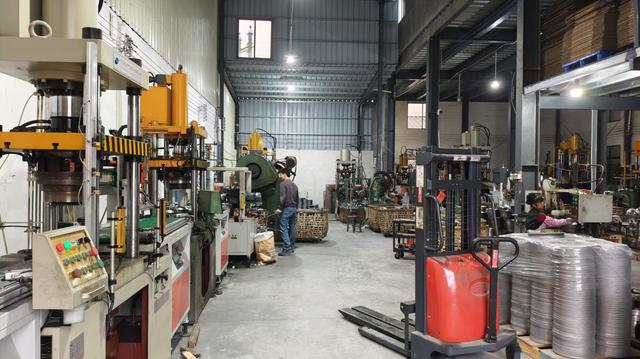
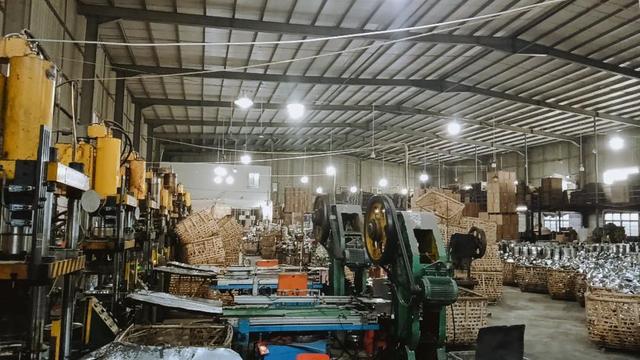
Industry leaders like Foshan Sarap Kitchen Co., Ltd. (established in 2011) have pioneered the transition from manual labor to Industry 4.0. Located in the heart of China’s manufacturing hub, Guangdong, Sarap Kitchen represents the modern exporter’s ability to blend high-capacity production with artisanal precision. With over 22,000 square meters and a workforce exceeding 250 specialists, the benchmark for a "top manufacturer" is now defined by its supply chain resilience and information gain through technical innovation.
SQM Production Base
Years Industry Experience
Global Export Markets
Flexible Solutions
In the current industrial landscape, procurement for Stainless Steel Carafes is driven by three primary vectors: Thermal Efficiency, Material Integrity, and Sustainability. B2B buyers from North America to Southeast Asia are shifting away from price-war products toward high-value assets that offer a competitive edge in retail and hospitality.
Top exporters now utilize double-wall vacuum technology with copper-plated inner layers to ensure 24-hour heat retention. This technical "Information Gain" is vital for hospital and hospitality sectors.
Food safety is non-negotiable. Leading manufacturers ensure all stainless steel components are LFGB and FDA compliant, emphasizing anti-corrosive properties essential for acidic beverages like coffee and tea.
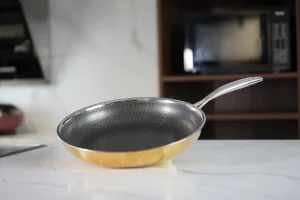
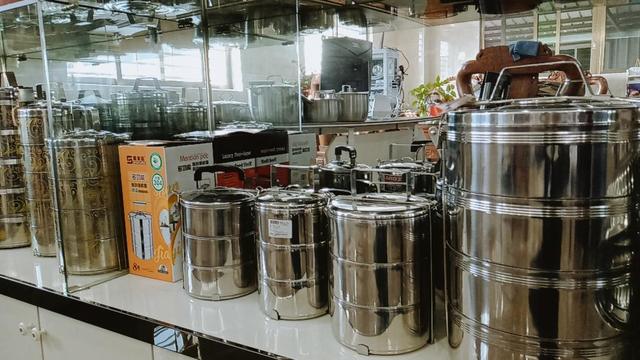
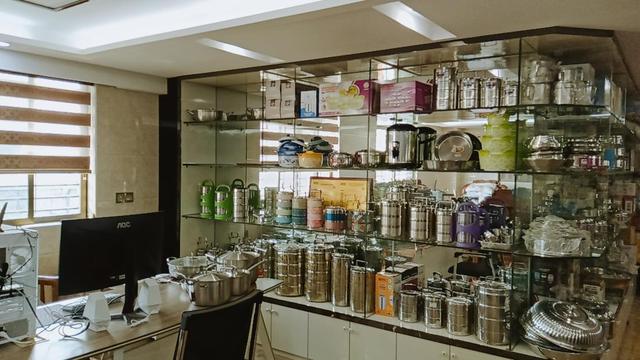
The ability to provide private-label branding, ergonomic handle designs, and specialized surface finishes (hammered, satin, or PVD golden coating) separates the top 10 from the rest of the pack.
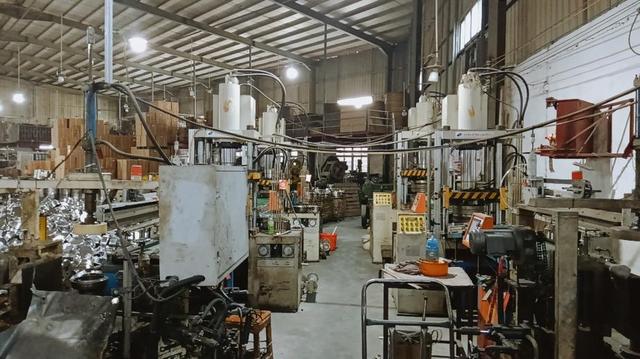
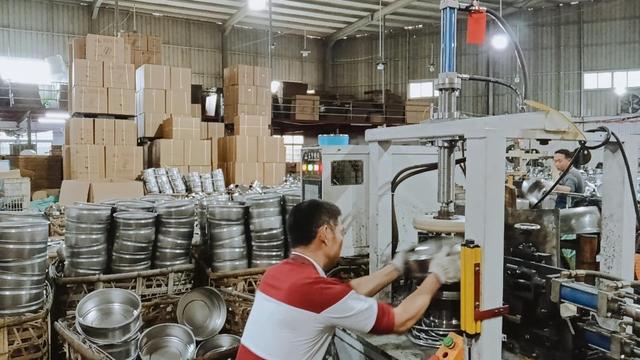
Foshan Sarap Kitchen Co., Ltd. exemplifies the China Factory 4.0 model. By integrating automated polishing lines and precision forming technologies, they have achieved a level of consistency that manual factories cannot match. This is not just about speed; it's about Supply Chain Resilience.
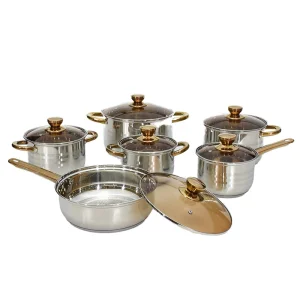
When global disruptions occur, a resilient manufacturer provides transparency through digital inventory tracking and multi-ply construction expertise. Sarap’s engineering team continuously explores sustainable manufacturing practices, reducing waste while increasing the heat distribution efficiency of every pot, pan, and carafe produced. For a distributor, this means fewer returns and higher brand loyalty.
The search intent for stainless steel carafes often originates from specific professional sectors. Understanding these localized needs allows top exporters to tailor their product development:
In high-traffic hotels and restaurants, durability is paramount. 316-grade steel carafes prevent the "metallic taste" and withstand rigorous industrial dishwashing cycles. Sarap's induction-compatible designs ensure versatility across various heating platforms.
For office environments and hospitals, ergonomic "one-touch" pouring mechanisms and spill-proof lids are essential for safety and ease of use by diverse demographics.
304 stainless steel contains roughly 18% chromium and 8% nickel, providing excellent corrosion resistance and durability. For manufacturers like Foshan Sarap Kitchen, using high-quality 304 ensures that the products remain rust-free even after years of exposure to moisture and heat.
Information gain is a Google patent that rewards content providing unique insights not found elsewhere. In this white paper, we provide depth on "Factory 4.0" and specific multi-ply construction techniques that go beyond generic product descriptions.
OEM (Original Equipment Manufacturer) allows retailers to sell proven designs under their brand. ODM (Original Design Manufacturer) allows for completely custom shapes and features. Sarap Kitchen provides both, ensuring market differentiation for their partners.
Look for facilities over 20,000 SQM, ISO certifications, and a history of exports to regulated markets like Europe and North America. Direct inspection of automated polishing and welding lines is also a key indicator of technological maturity.