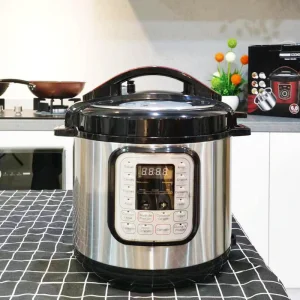
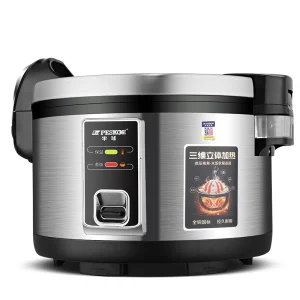
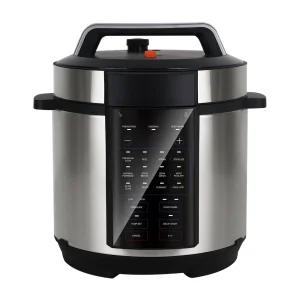
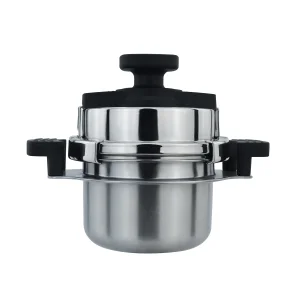
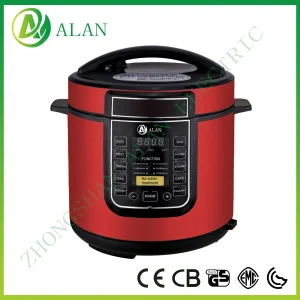
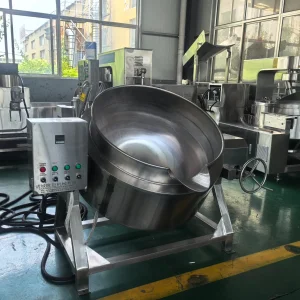
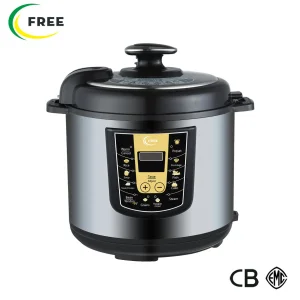
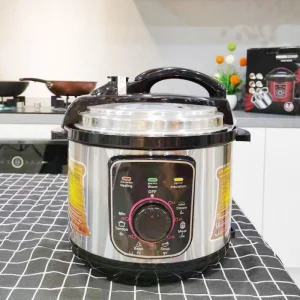
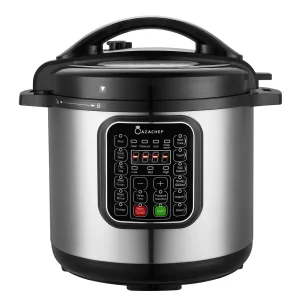
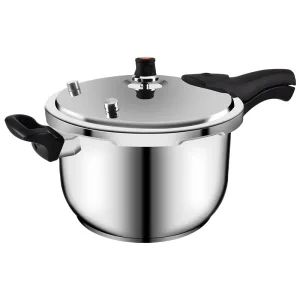
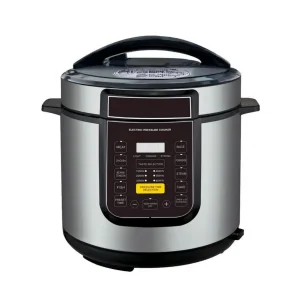
High-efficiency, induction-ready units custom-tailored for Mumbai's fast-paced kitchens and demanding commercial setups.
Mumbai, the financial epicenter of India, is experiencing an unprecedented evolution in its hospitality, commercial catering, and domestic culinary sectors. High density, rapid urbanization, and escalating energy tariffs have forced commercial and domestic kitchens alike to optimize for speed, safety, and fuel efficiency. Traditional aluminum pressure cookers are rapidly losing market share to premium Stainless Steel Pressure Cookers. This structural transition is driven by stringent health guidelines regarding metal leaching, the rise of modern induction-top cooking in multi-story residential units, and the longevity demands of commercial environments.
Aluminum vessels pose critical food contamination risks when exposed to acidic ingredients common in Indian cuisine (such as tomatoes, tamarind, and citrus fruits). Heavy metal leaching is a recognized health hazard under contemporary Indian food safety guidelines. High-grade AISI 304 (18/8) and AISI 316 (18/10) stainless steel provide an inert cooking surface that preserves flavor integrity and stands up to the harsh daily usage cycles of bustling catering hubs like Lower Parel, Bandra, and Andheri.
The manufacturing blueprint of modern stainless steel pressure cookers is heavily dependent on thermal dynamics. Stainless steel, by itself, is a poor conductor of heat. Therefore, our advanced technical roadmap integrates a multi-ply construction (Impact Bonded Base or Tri-ply Clad Body). A thick core of pure aluminum or copper is encapsulated between food-grade stainless steel inside and magnetic stainless steel (AISI 430) on the outside, ensuring even thermal distribution and 100% compatibility with commercial induction cooktops.
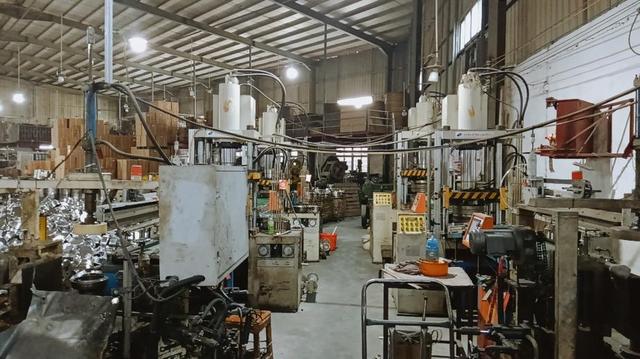
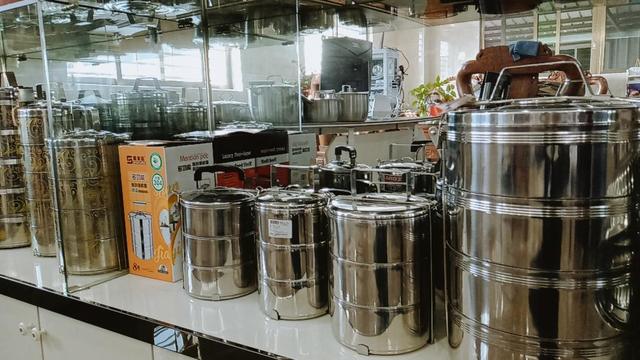
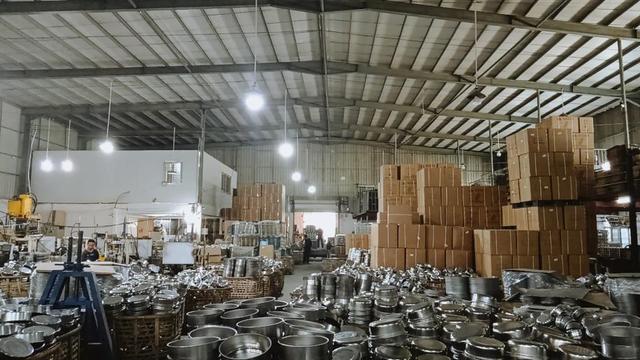
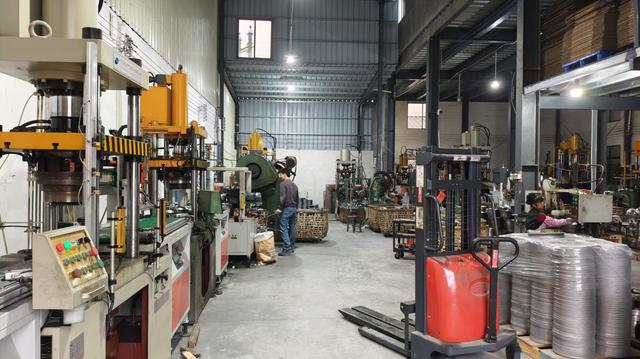
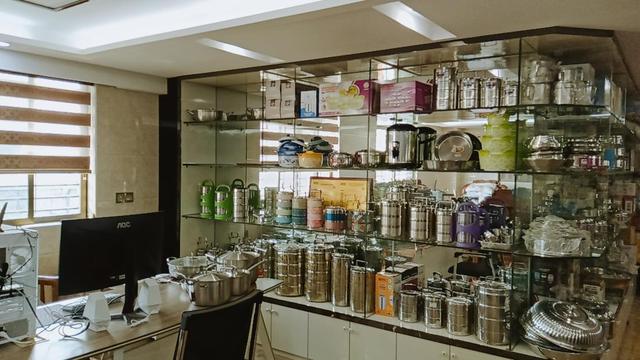
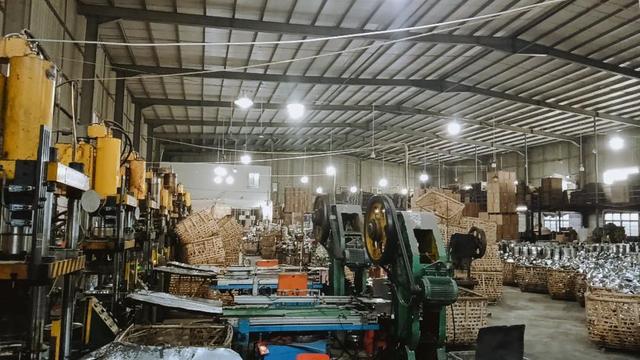
As a leading global cookware manufacturer based in Foshan, Guangdong Province, Foshan Sarap Kitchen Co., Ltd. offers the global and Indian markets access to a state-of-the-art manufacturing infrastructure. Established in 2011, our facility spans over 22,000 square meters and employs over 250 kitchenware professionals. We specialize in producing stainless steel frying pans, stock pots, steamers, and high-performance pressure cookers designed to meet international safety certifications.
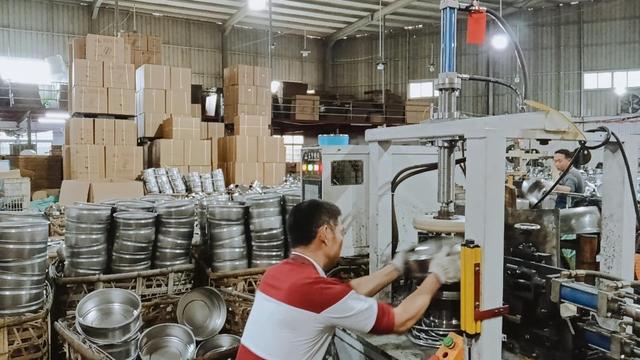
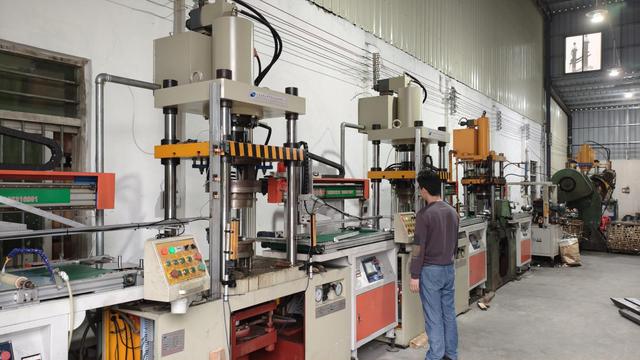
By leveraging automated deep-drawing hydraulic presses, robotic polishing lines, and computer-controlled welding processes, we maintain absolute dimensional accuracy in every pressure cooker lid and body. This precision is critical for pressure-locking systems, where a tolerance variation of a fraction of a millimeter can lead to steam loss or safety system failures.
Importing commercial cooking appliances into the Indian sub-continent, specifically the highly regulated Mumbai trade hub, requires detailed regulatory alignment. In India, pressure cookers must strictly conform to the Bureau of Indian Standards (BIS) - IS 2347. This standard dictates strict physical testing routines, including hydrostatic testing, burst-pressure limits, and anti-implosion safety designs. Foshan Sarap Kitchen Co., Ltd. partners closely with Mumbai-based procurement agencies, importers, and custom brokers to ensure all export documentation, shipping logistics, and quality assurance paperwork align with the Nhava Sheva (JNPT) port requirements.
In addition to residential appliances, our manufacturing plant designs custom solutions for the commercial food processing sector and the hospitality industry. For hotels in areas like South Mumbai (Colaba, Nariman Point) and North Mumbai (Bandra-Kurla Complex), we supply heavy-duty commercial pressure cookers (sizes up to 500L) built from thick AISI 304 sheets. These systems optimize cooking energy by utilizing high-pressure steam retention, which reduces cooking times for legumes, meats, and traditional grain dishes by up to 70% compared to open-pot boiling.
By sourcing from Foshan, Mumbai distributors bypass high domestic fabrication costs while securing world-class finishing, laser-guided welding, and multi-tier quality inspections. Our advanced supply chain ecosystem in Guangdong allows us to secure premium-grade raw materials directly from global mills, insulating our clients from localized commodity price fluctuations and ensuring highly competitive pricing for volume B2B purchases.
Explore our full line of residential, commercial, and industrial pressure cooking solutions, designed for unmatched efficiency and durability.
Crucial manufacturing, regulatory, and mechanical questions answered by our engineering and logistics teams.