Whitepaper: Commercial Cookware Performance in Togo's Evolving Culinary Sector
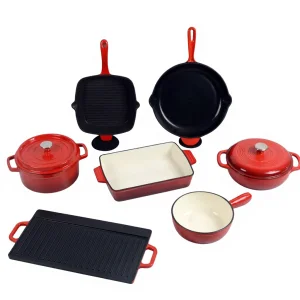
The culinary landscape of West Africa, specifically centered around the trade hub of Togo, is undergoing an unprecedented modernization. Driven by the expansion of the Autonomous Port of Lomé, the rise of international business hotels, and the growth of boutique coastal resorts, the demand for commercial-grade foodservice solutions has dramatically spiked. For kitchenware distributors, procurement managers, and executive chefs, selecting cookware is no longer just about cost; it is about metallurgical durability, heat conductivity, and energy compatibility. This paper analyzes the critical requirements of the Togolese culinary sector and provides a structural roadmap for integrating professional cookware into high-capacity commercial setups.
Togo's Culinary and Industrial Market Realities
Togo, strategized geographically as the gatekeeper of the West African economy, relies heavily on durable infrastructure. In Lomé and surrounding tourist enclaves like Aneho, professional kitchens must operate under challenging environmental conditions. High humidity, coastal saline atmospheres, and varying power grid stabilities dictate the choice of materials. Conventional aluminum cookware, while inexpensive, risks rapid oxidation, structural warping under intense heat, and chemical leaching when preparing acidic West African tomato-based gravies (such as *Gboma Dessi*).
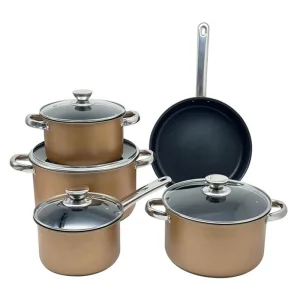
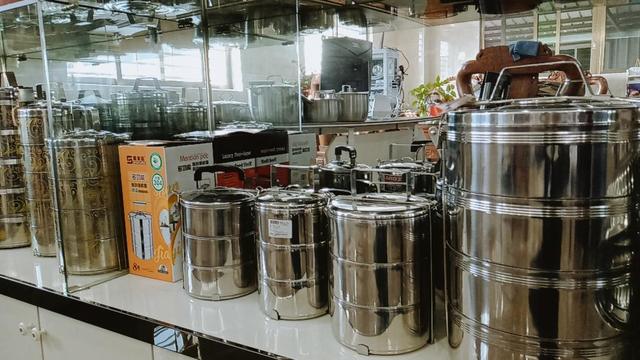
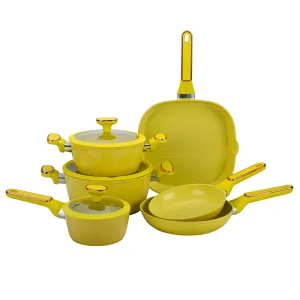
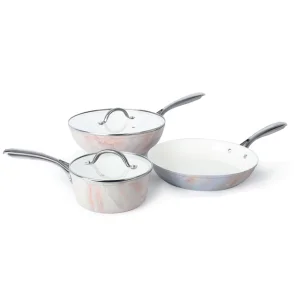
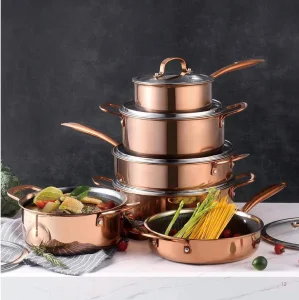
Consequently, the market is experiencing a rapid migration toward 18/10 (AISI 304) stainless steel and multi-ply clad constructions. Multi-ply clad technology—combining an inner core of high-purity aluminum wrapped in food-safe stainless steel—provides rapid, uniform thermal distribution while protecting food from metallic reactions. Furthermore, as the Togolese government promotes energy transition and green infrastructures, modern commercial properties are shifting from traditional liquid petroleum gas (LPG) burners to energy-efficient commercial induction cooktops, demanding magnetic-induction-compatible cookware.
Global Trends: Supply Chain Reliability & Material Quality
On a global scale, the culinary equipment industry is characterized by strict regulatory compliance (FDA, LFGB, and NSF). Modern professional kitchens operate under HACCP protocols, meaning cookware must be designed with easy-to-sanitize rivet profiles, dripless pouring rims, and ergonomic, stay-cool handles. The manufacturer's ability to offer flexible OEM/ODM modifications, customize thickness metrics, and verify alloy configurations is crucial for importers aiming to secure long-term contracts with regional hospitality syndicates in West Africa.
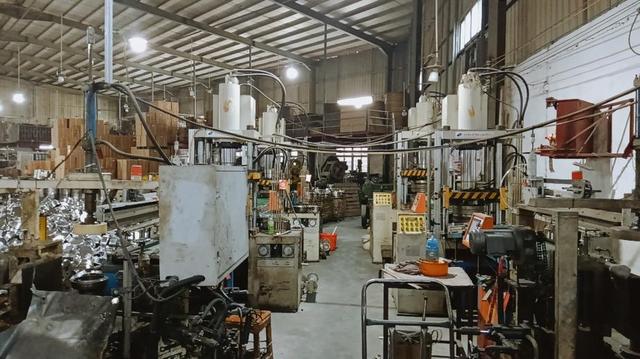
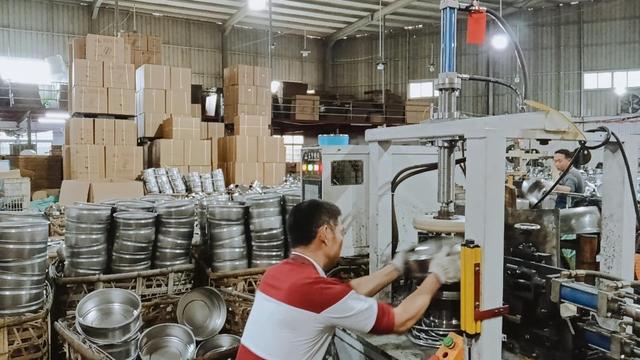
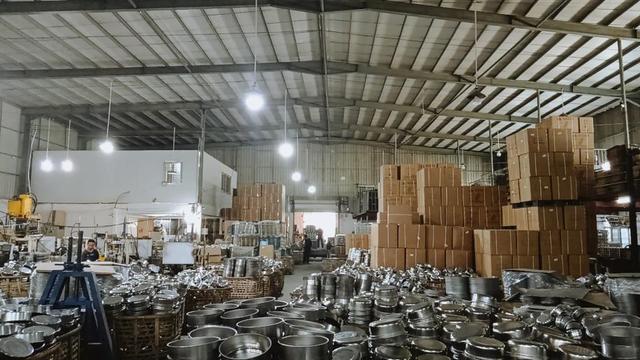
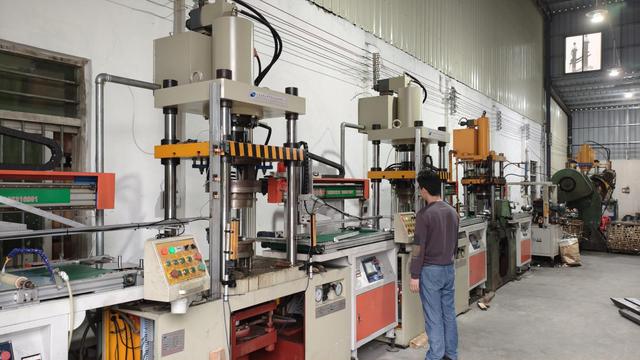
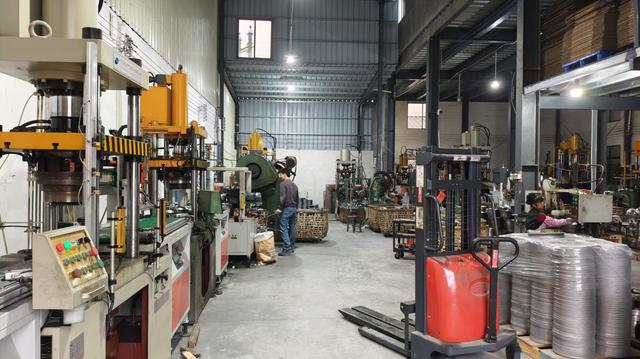
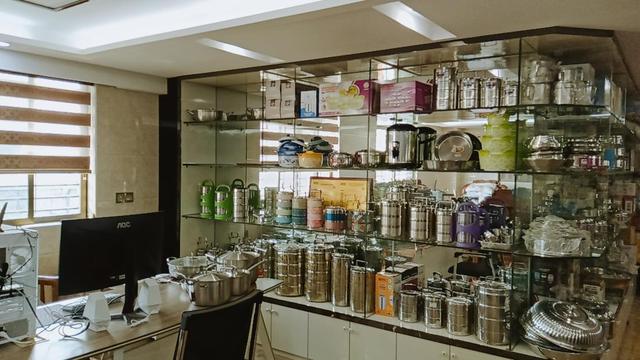
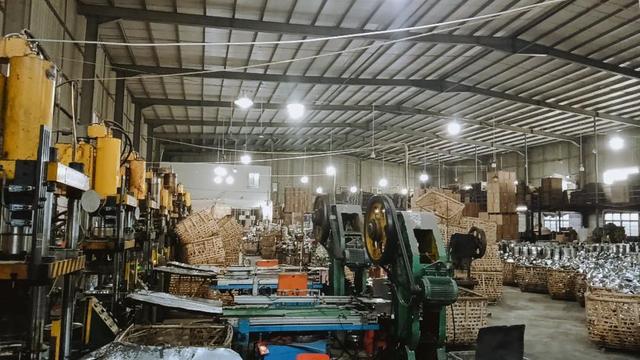
Established in 2011 in Foshan, China's premiere household manufacturing hub, Sarap Kitchen operates a massive 22,000 square meter facility utilizing automated polishing systems and precision forming technologies. Supported by a workforce of over 250 highly skilled workers, we handle complex customizations, metallurgical configurations, and high-volume container shipments directly to the Autonomous Port of Lomé.
Macro Industrial Solutions & Logistics for Togo
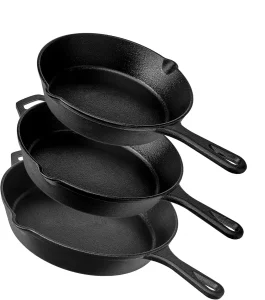
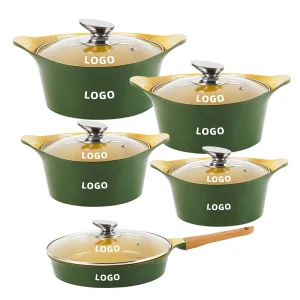
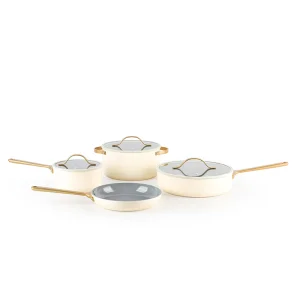
For distributors serving Togo, Benin, Ghana, and Burkina Faso, inventory rotation and logistics costs represent significant operational hurdles. Sarap Kitchen resolves this through optimized packaging densities and direct-from-factory consolidated shipping. By engineering stackable cookware systems and flat-packed luxury sets, we help regional importers maximize container volume utilization, effectively lowering unit shipping costs from China to Lomé. Furthermore, our robust warranty structures and batch traceability reports assure local distributors of consistent product quality, helping them maintain their competitive edge in public tenders and private procurements.