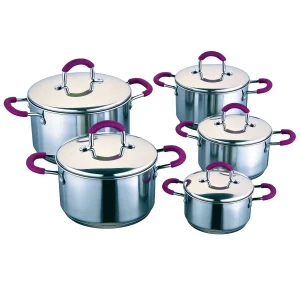
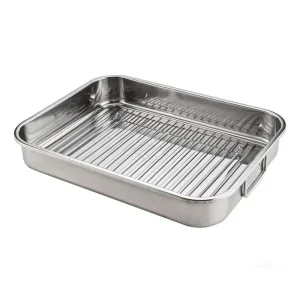
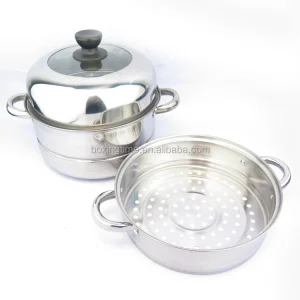
The global culinary hardware sector is undergoing a rapid evolution, propelled by changing consumer preferences toward healthier cooking methodologies and highly durable, non-toxic cookware materials. Historically, heavy cast-iron skillets dominated the grilling market segment. However, the modern commercial and premium residential sectors have initiated a massive transition toward multi-clad stainless steel grill pans.
This shift is not merely stylistic; it is deeply rooted in physical thermal dynamics. Premium stainless steel, specifically when constructed with multi-ply technology (incorporating aluminum or copper cores), yields an extremely high thermal transfer rate while remaining substantially lighter than traditional cast iron. The non-reactive nature of food-grade 304 (18/8 or 18/10) and 316-grade stainless steel ensures that acidic ingredients do not degrade the metallic structure or alter flavor profiles.
Across North America, Europe, and the Asia-Pacific region, the demand for high-end stainless steel grill pans is bolstered by B2B distribution networks supplying commercial restaurant chains, boutique culinary brands, and private label importers. Sourcing directors look for products that guarantee long-term thermal integrity, resistance to warping at high temperatures, and compliance with stringent environmental standards such as FDA, LFGB, and RoHS certifications.
China stands as the global epicentre of stainless steel cookware production, accounting for a vast majority of the world's commercial kitchen supplies. The primary reason for this dominance is the highly integrated manufacturing ecosystem found within regions like Guangdong Province, specifically the industrial hub of Foshan.
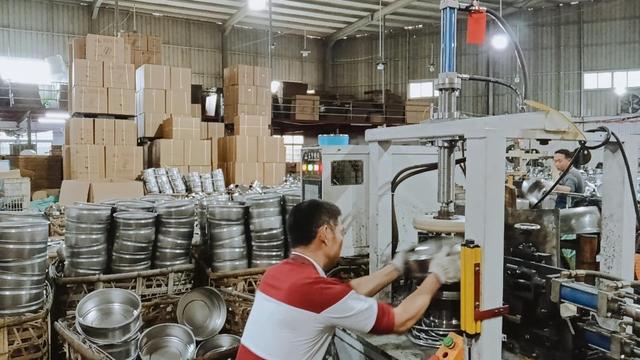
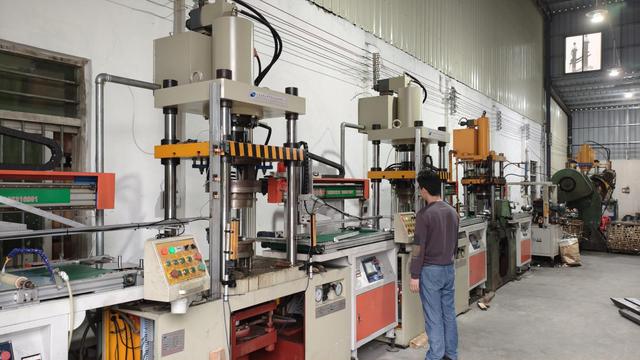
Unlike fragmented manufacturing sites in other parts of the world, Foshan's hardware industrial cluster aggregates all stages of the supply chain. From raw steel coil processing, precision cold-rolling, and metallurgical formulation to secondary processing phases such as high-tonnage hydraulic drawing, automated mechanical polishing, handle riveting, and multi-ply thermal cladding, everything is situated within a concentrated geographical area.
This dense concentration translates directly into massive cost efficiencies, short lead times, and unparalleled adaptability to customized specifications. Advanced robotic automation in polishing and laser etching further scales up the production capacity while minimizing human error and variability. For international buyers, sourcing from a Foshan-based manufacturer guarantees consistent supply chain reliability, competitive bulk pricing, and access to the latest breakthroughs in cookware engineering.
Foshan Sarap Kitchen Co., Ltd. is a professional manufacturer specializing in stainless steel cookware and kitchenware solutions for residential, commercial, and professional culinary applications worldwide. Established in 2011, the company is located in Foshan, Guangdong Province, one of China's leading manufacturing hubs for kitchenware and household products.
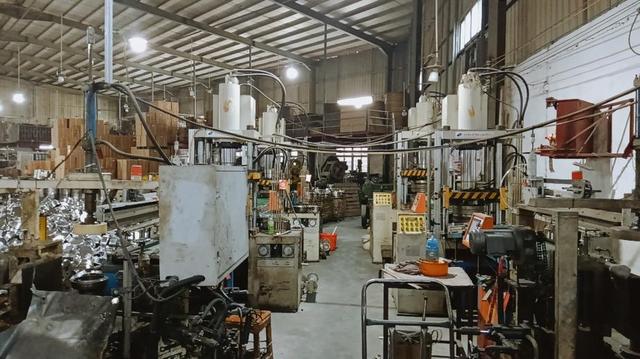
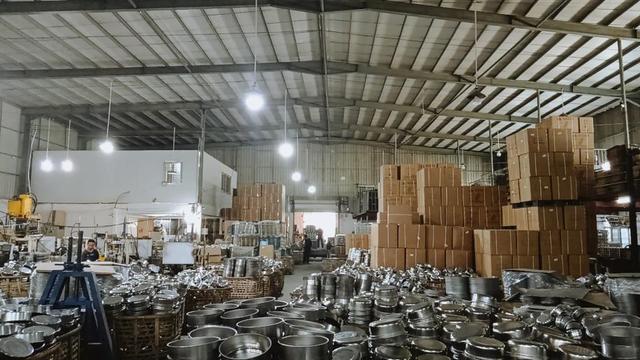
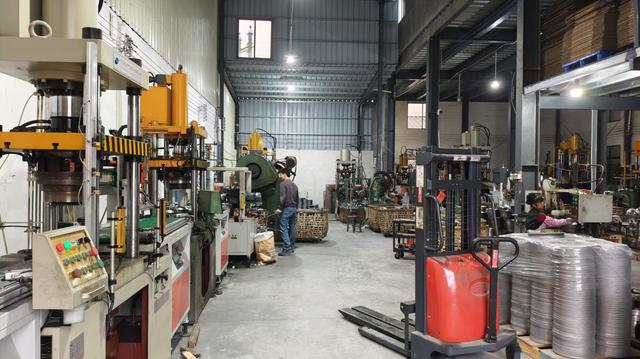
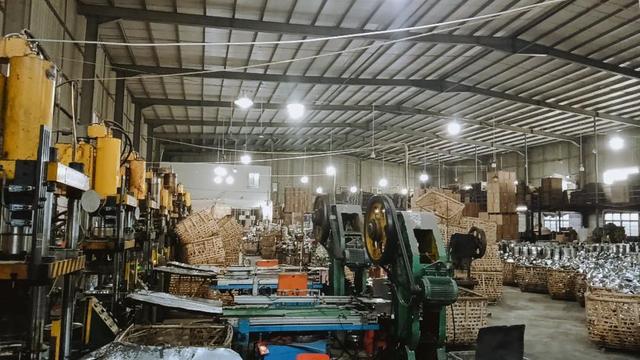
With a production facility covering over 22,000 square meters and a workforce of more than 250 employees, Sarap Kitchen has developed comprehensive capabilities in cookware design, manufacturing, quality control, and international export services. Sourcing agents and brands can leverage our mature infrastructure to execute both high-volume standardized production and complex custom ODM projects.
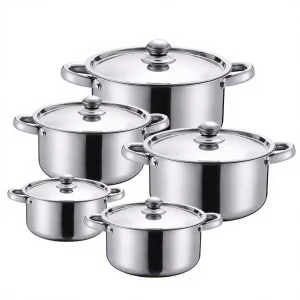
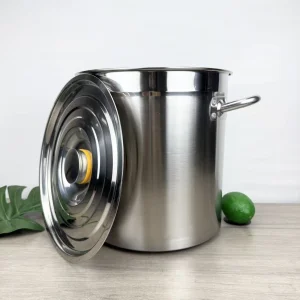
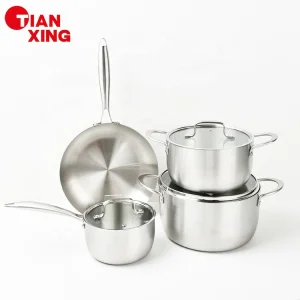
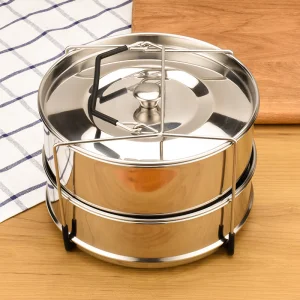
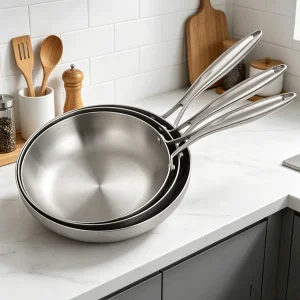
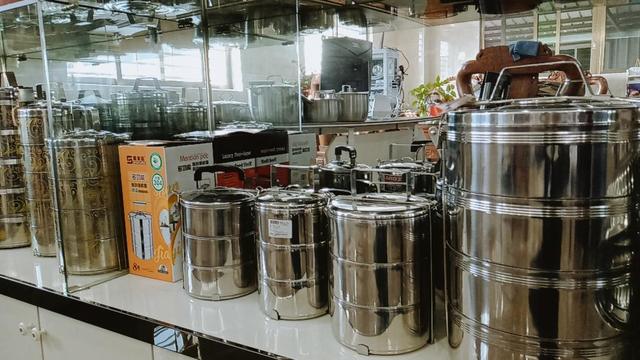
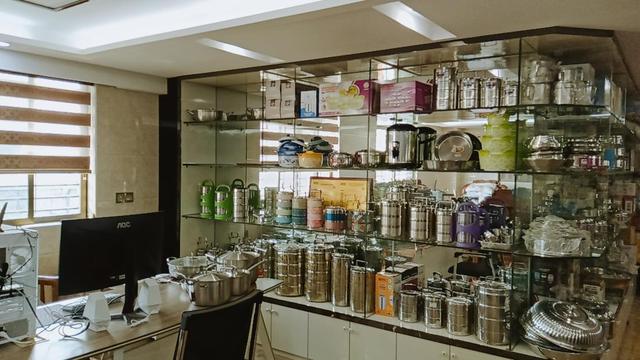
The company focuses on the production of stainless steel frying pans, saucepans, stock pots, sauté pans, casserole pots, steamers, cookware sets, and customized kitchenware products. Utilizing advanced manufacturing equipment, automated polishing lines, precision forming technologies, and strict quality management procedures, Sarap Kitchen delivers cookware solutions designed for durability, heat distribution efficiency, and long-term performance.
Serving distributors, retailers, hospitality groups, cookware brands, and foodservice equipment suppliers, Sarap Kitchen offers flexible OEM and ODM manufacturing services. Customers can customize product specifications, materials, surface finishes, handles, packaging, branding, and private-label requirements to meet diverse market demands.
Innovation and product development remain central to the company's growth strategy. Its engineering team continuously explores improvements in multi-ply construction, induction-compatible designs, ergonomic features, and sustainable manufacturing practices. Every product undergoes rigorous inspection throughout the production process to ensure consistency and compliance with international quality standards.
Today, Foshan Sarap Kitchen Co., Ltd. exports to North America, Europe, the Middle East, Southeast Asia, South America, and other global markets. Through reliable manufacturing capabilities, customer-oriented service, and continuous product innovation, the company supports partners seeking high-quality stainless steel cookware solutions for both household and commercial kitchens.
Understanding the physics of heat transfer and structural stress is essential for purchasing managers evaluating bulk cookware options. Premium stainless steel grill pans engineered at Sarap Kitchen rely on multi-ply metal bonding technology (cladding). A single sheet of stainless steel is a poor conductor of heat. Therefore, our standard configurations utilize a Tri-Ply (3-Layer) or 5-Ply structural composite.
In a classic tri-ply configuration, the food-contact layer is composed of premium 304 (18/10) Stainless Steel. This layer resists acids, salts, mechanical scratching from cooking utensils, and corrosion. The inner core is constructed of high-purity 1050/1100 Aluminum, which features high thermal conductivity (approx. 200 W/m·K). This core rapidly spreads heat from the heat source uniformly across the base and up the sidewalls of the pan, eliminating cold spots. The outermost layer is made of magnetic 430 (18/0) Stainless Steel, allowing the pan's base to interact efficiently with the electromagnetic fields generated by modern induction cooktops.
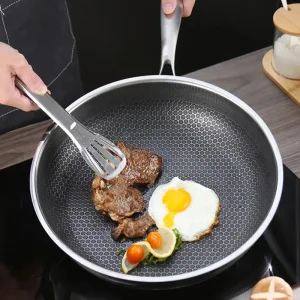
For grill pans, the structural layout of the ridges is vital. The height, thickness, and slope angle of the ridges must be precisely calibrated. Risen ridges serve to elevate the meat away from direct oil pools, facilitating true indirect radiant searing. This yields distinct grill marks and allows fats to drip down to the valleys, reducing smoke production and excess fat retention in the cooked food. Furthermore, we apply high-tech laser-etched honeycomb patterns to some series, creating micro-gaps that prevent sticking without relying on degrade-prone chemical coatings.
In busy bistros, steak houses, and catering facilities, cookware is subjected to rapid thermal cycles and continuous washing. Sarap Kitchen's multi-ply grill pans withstand the physical stress of commercial kitchens. Their excellent thermal retention reduces energy consumption, while the heavy-duty riveted handles ensure chef safety during service.
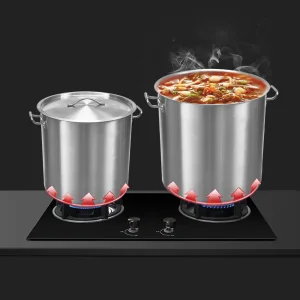
Modern urban homes require visually appealing, highly functional cookware. Flat induction bases allow metropolitan users to experience outdoor grilling quality directly on indoor cooktops. Oven-safe constructions (up to 260°C/500°F) enable seamless transitions from stovetop searing to oven roasting.
Cookware sets serve as high-margin retail offerings or corporate gifts. Custom logo etching, luxury color box packaging, and tailor-made handle ergonomics are designed to align with premium brand identities in North American and European retail landscapes.
For global procurement heads, purchasing stainless steel grill pans directly from Chinese factories requires more than low unit prices. It demands reliability in quality control, communication transparency, and thorough regulatory compliance.
At Foshan Sarap Kitchen Co., Ltd., we tackle these B2B paint points directly. We ensure raw materials are backed by mill test certificates (MTC) to guarantee that incoming steel conforms strictly to 304 or 316 grade designations. Our QA/QC protocols cover every stage of manufacturing—from verifying thickness Tolerances of raw coils, monitoring stamping pressure, ensuring perfect surface roughness (Ra) values during polishing, to rigorous water leak tests for lid fits and weld-strength tests for handles.
We accommodate diverse logistics needs by offering consolidated shipping, customized export-grade pallets, and dropshipping-ready packaging solutions. By keeping up-to-date with international compliance frameworks (BSCI audits, FDA safety standards, and LFGB food contact tests), we ensure our global partners face no customs obstacles or product recalls.
Looking forward, the cookware sector is transitioning toward sustainability and high-performance material composites. The future of stainless steel grill pans revolves around carbon reduction at the manufacturing level and smart home integration.
Eco-friendly Polishing: Traditional chemical cleaning steps are being replaced with closed-loop water filtration systems and mechanical polishing technologies that significantly reduce chemical runoff. Sarap Kitchen is investing heavily in these automated green production technologies.
Titanium-Stabilized Alloys: The incorporation of trace titanium elements into stainless steel formulations yields stronger, more heat-resistant pans that are less prone to warping at high searing temperatures. This development addresses the demand for lightweight yet highly durable cookware in modern commercial and home kitchens.