Explore our leading, high-grade stainless steel manufacturing lines exported globally to commercial buyers, hotel hospitality networks, and consumer brands.
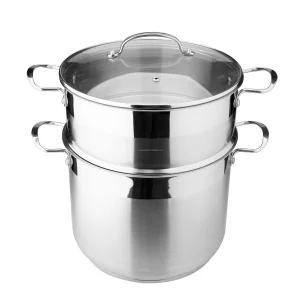
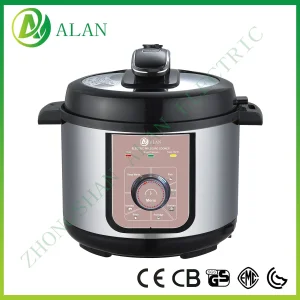
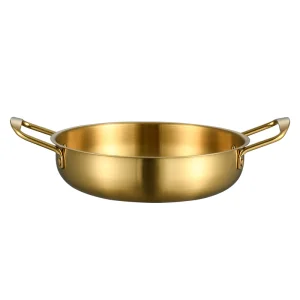
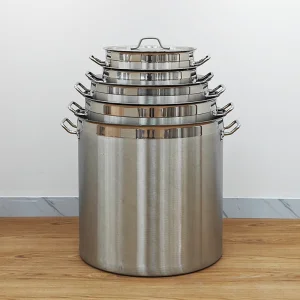
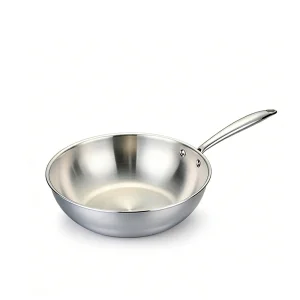
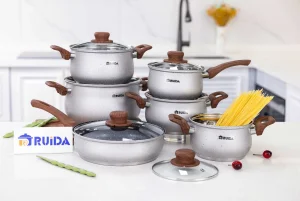
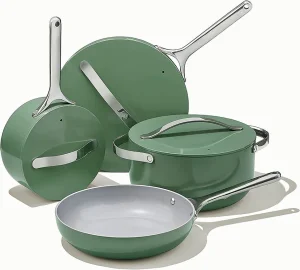
In the global arena of high-end beverage service and premium culinary arts, the material integrity of stainless steel plays a defining role. Foshan Sarap Kitchen Co., Ltd. stands as an elite manufacturer and global supply partner specializing in advanced stainless steel designs. Our metallurgy expertise allows us to engineer and export high-performance kitchenware, multi-layer thermal vessels, and custom stainless steel tea sets configured for the most demanding global markets.
Established in 2011 in Foshan, Guangdong Province—the epicenter of high-end metal manufacturing and advanced kitchenware processing in China—our operations integrate the full spectrum of industrial execution. Spanning a state-of-the-art facility of over 22,000 square meters and powered by more than 250 highly skilled workers, engineering technicians, and quality inspectors, Sarap Kitchen delivers flawless OEM and ODM solutions to international buyers.
Our specialized product lines focus heavily on multi-ply material integration, induction-compatible systems, laser-welded structural joins, and advanced electro-polishing. By combining structural longevity with exquisite modern design, we cater to a premium clientele including international cookware distributors, boutique beverage brands, global retail chains, and luxury hotel groups.
Decoding metallurgical shifts, consumer design demands, and functional durability parameters within professional hospitality and retail distribution networks.
Historically dominated by ceramic, clay, and heat-resistant glass, the premium tea set market is experiencing a profound macro-shift toward high-performance stainless steel systems. In commercial settings—such as boutique tea lounges, luxury hotel dining networks, corporate spaces, and high-intensity hospitality events—the vulnerability of breakable clay and glass represents a significant capital replacement cost.
Stainless steel tea sets, engineered primarily with grade SUS304 (18/8) or SUS316 (18/10), have emerged as the premier choice. They offer absolute structural resistance, non-reactive surfaces that do not alter the organoleptic profile of high-grade teas, and exceptional thermal control capabilities when built with multi-layer encapsulated bases or vacuum insulation.
Utilizing chromium-nickel content (18% Cr / 10% Ni) to withstand high temperature organic acids found in herbal extractions without staining or pitting.
Multi-layered bases containing high-conductivity core materials like aluminum or copper provide instantaneous, evenly distributed heat transfer without hot spots.
Strategic weight calculation of cold-retention hollow handles, integrated drip-free spouts, and smooth physical balance for effortless repeated pouring.
The continuous evolution of thermal efficiency, eco-friendly surface coatings, and smart culinary integration.
Modern manufacturers are redefining the design paradigm of beverage and culinary gear. Historically, tea pots suffered from localized overheating which risked scorching subtle white and green tea leaves. Today, progressive manufacturing incorporates multi-layer material bonds to control thermal dissipation. By utilizing three-layer (Tri-ply) cladding, high-conductivity aluminum core elements are encapsulated within food-safe 18/10 stainless steel layers, securing precise temperature stabilization.
| Material Configuration | Structural Composition | Thermal Distribution Index | Primary Industrial Applications |
|---|---|---|---|
| Single-Ply Grade 304 | 18% Chromium, 8% Nickel | Standard - Rapid heating with medium cooling curve | Economy tea pots, infusers, table cups |
| Tri-Ply Full Clad | Stainless 304 + Pure Aluminum + Induction 430 | Exceptional - Fully uniform heating across body | Premium stovetop kettles, professional woks, high-end pots |
| Vacuum Insulated Double Wall | Dual SUS304 walls separated by high-vacuum gap | Retention - Minimizes heat convection losses | Commercial thermal servers, luxury insulated teapots |
| Premium Grade 316 Surgical | 18% Cr, 10% Ni, 2% Molybdenum | High - Elite acid-salt corrosion resilience | Industrial brewing, medical food service, luxury collections |
To meet modern aesthetic trends, contemporary exporters leverage PVD technology. This process deposits atomized metal films in high vacuum environments onto stainless steel surfaces, creating elegant matte-black, champagne-gold, and iridescent titanium finishes without altering chemical composition or food-contact safety ratings.
Understanding regional culinary traditions and commercial requirements across primary global hubs.
The dominant trend focuses on minimalist clean lines, brushed steel surfaces, and seamless compatibility with advanced Induction Stovetops. Commercial catering operators require robust, dishwasher-safe assemblies that integrate thermal insulation to keep tea warm through long events, satisfying strict local labor safety requirements for outer body surface temperatures.
High-volume tea service in Middle Eastern cultures demands opulent design detailing paired with high volume capacity. The classic Dallah design is elevated using stainless steel structures, offering the high strength of steel while allowing for mirror-polished gold, copper, and highly detailed physical engraving.
East Asian tea rituals demand absolute purity of flavor. The integration of surgical-grade SUS316 ensures zero metallic ion release during the brewing of delicate green, oolong, and Pu-erh teas, matching the clean taste profile of traditional clay while providing modern, unbreakable longevity.
How Foshan Sarap Kitchen Co., Ltd. customizes products for international premium brands from conceptualization to mass-market shipping.
Navigating the complex demands of dynamic consumer markets requires deep agility in factory logistics and supply execution. With over 12 years of specialized execution, our product development process is engineered to support client initiatives from early styling sketches through rigorous 3D modeling, structural stress testing, rapid prototyping, and pilot runs to commercial-scale output.
Our state-of-the-art mold-making shop allows rapid development of custom contours, ergonomic handles, and embossed client branding.
A full suite of finishes including high mirror-gloss hand polishing, uniform satin brushing, PVD coatings, and powder coat layering.
Solid cast stainless steel, hollow cool-touch grips, or heat-resistant polymer integrations secure comfort and safety.
Custom gift box development, high-impact drop-proof mail order cartons, and sustainable plastic-free internal dunnage solutions.
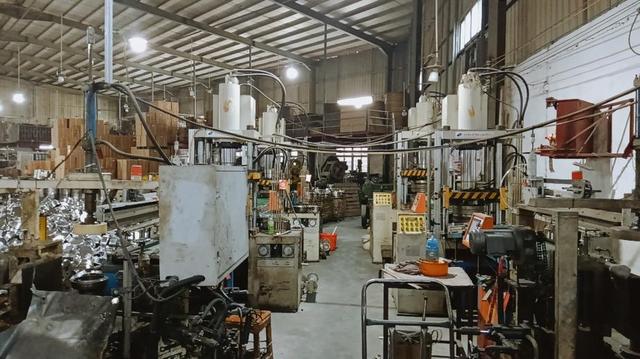
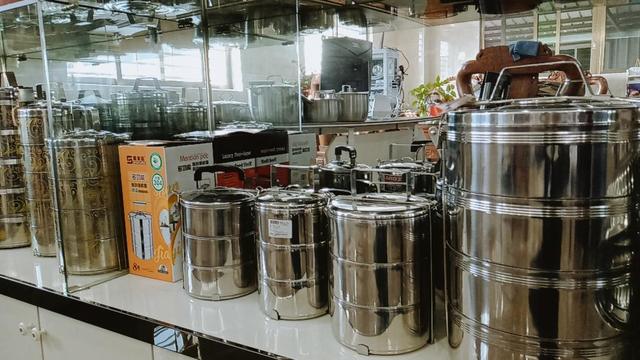
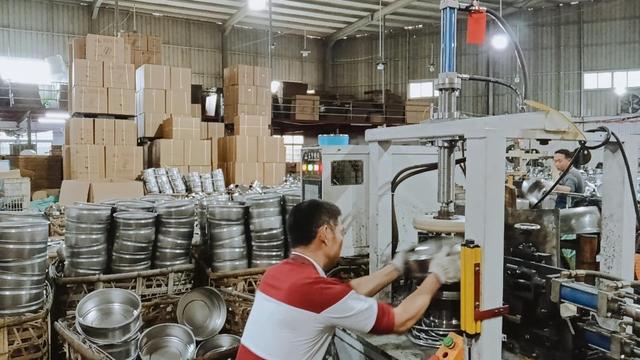
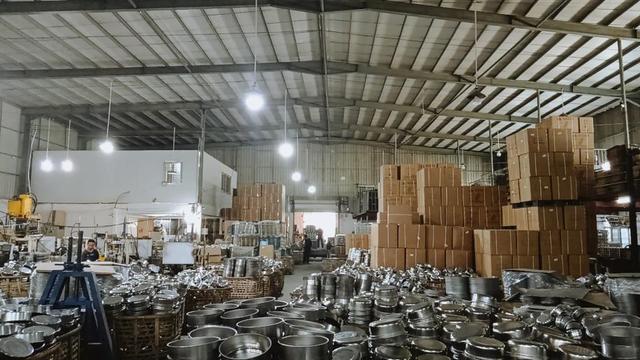
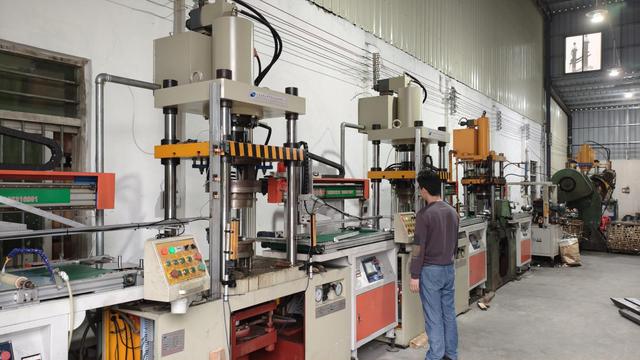
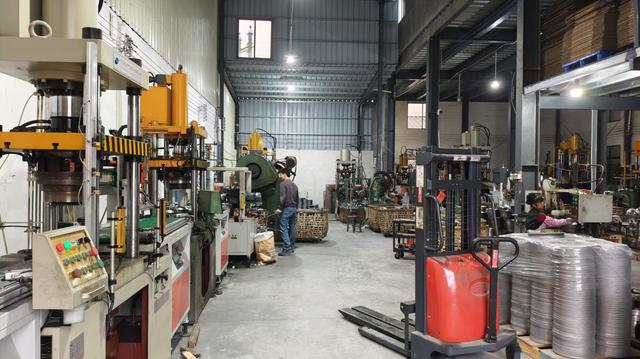
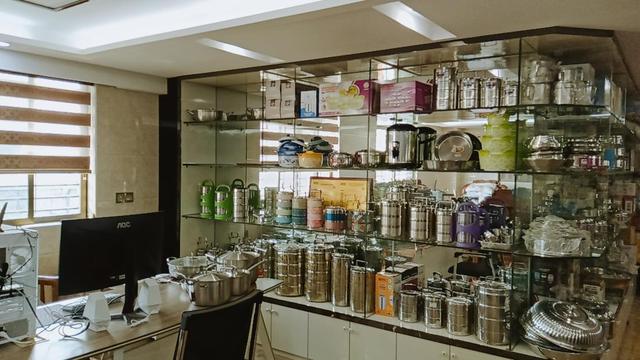
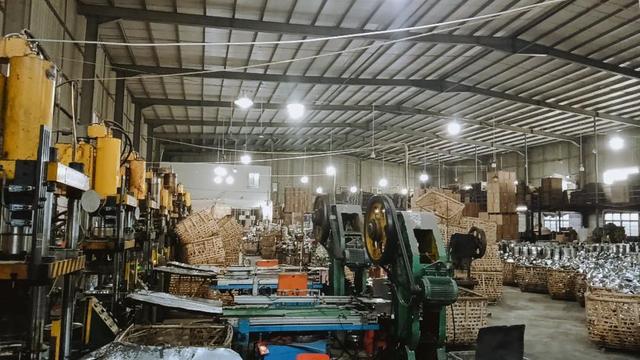
Transparent display of our production processes, raw stock handling, high-capacity polishing stations, and quality control lines.
Essential insights for category buyers, hospitality planners, and brand managers looking to source premium steelware.
Grade 304 contains 18% chromium and 8% nickel, providing strong rust resistance and thermal integrity ideal for daily service. Grade 316 contains 18% chromium, 10% nickel, and an added 2% molybdenum. This molybdenum enhances its resistance to chloride-induced pitting and organic acids, preventing long-term corrosion and protecting flavor purity when brewing highly acidic herbal teas.
Yes. Many of our models incorporate a tri-ply or encapsulated base design. By bonding a high-grade magnetic stainless steel exterior layer (such as SUS430) with an interior thermal aluminum core and a food-grade SUS304 cooking surface, our vessels deliver perfect, rapid thermal heating on standard gas, electric, and magnetic induction cooktops.
For standard tooling configurations, our typical production lead time spans 35 to 45 days. Custom ODM design initiatives involving prototype development and custom stamping molds require approximately 60 to 75 days. MoQ thresholds typically range from 500 to 1,000 units depending on the specific finish, dimensions, and customized packaging configurations.
We operate under rigid ISO 9001:2015 quality management procedures. Every batch of raw stainless steel undergoes spectral metallurgical testing to verify material grading. Our finished products undergo periodic third-party verification to guarantee compliance with global food contact standards, including US FDA, European LFGB, and other regional certifications.
Absolutely. We utilize Physical Vapor Deposition (PVD) to coat our metallic finishes. Unlike standard wet painting or spray-coating techniques, PVD is an environmentally safe, dry vacuum deposition technique that molecularly bonds titanium nitride coatings to the steel substrate. This creates highly durable, wear-resistant, and entirely food-grade surface aesthetics.
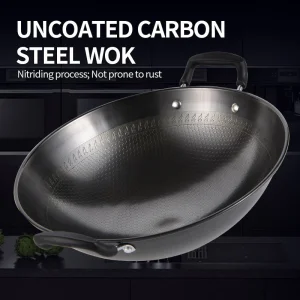
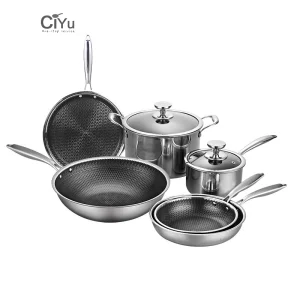
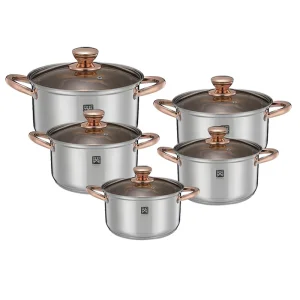
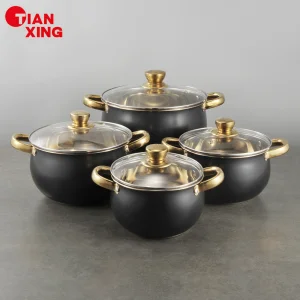
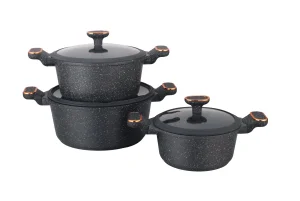
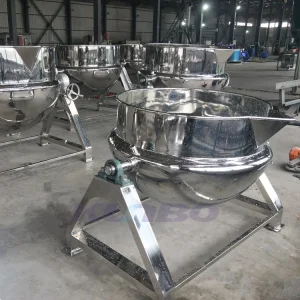
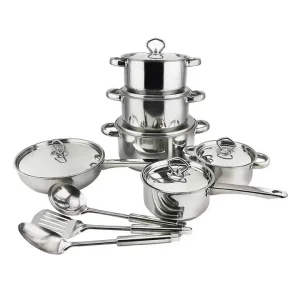
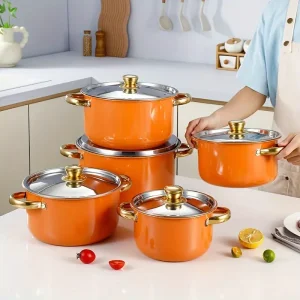
Discover our highly curated high-end cooking gear, tri-ply woks, non-stick copper/honeycomb pans, and industrial kettles designed for peak commercial performance.