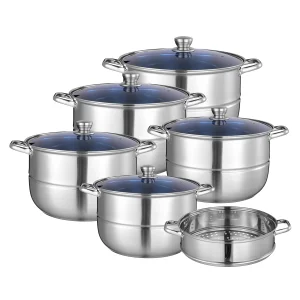
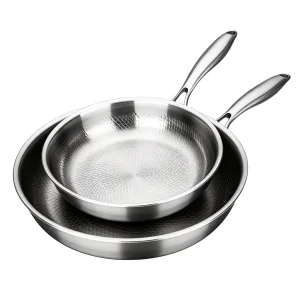
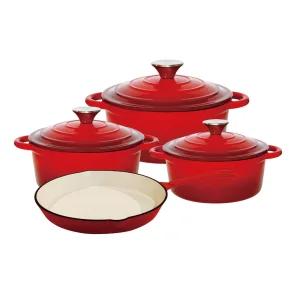
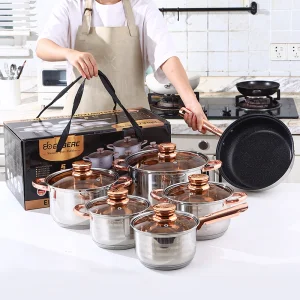
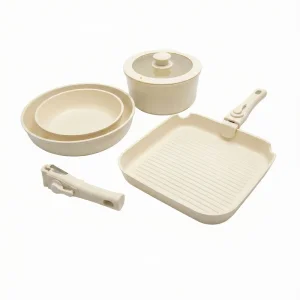
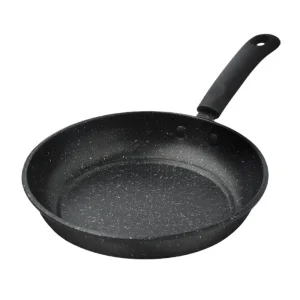
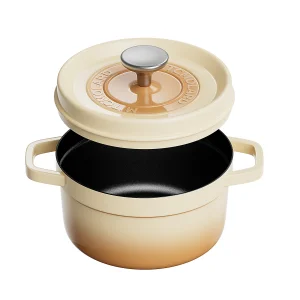
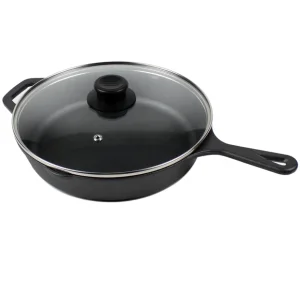
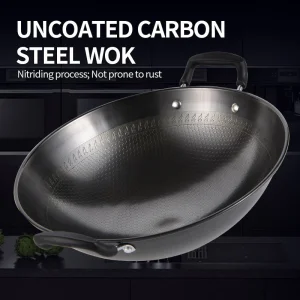
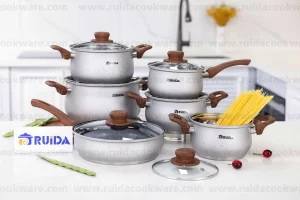
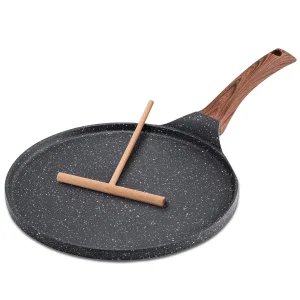
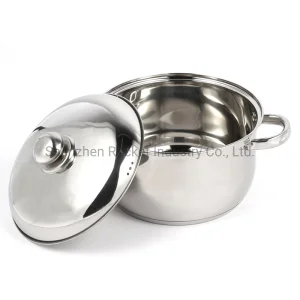
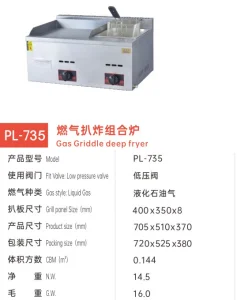
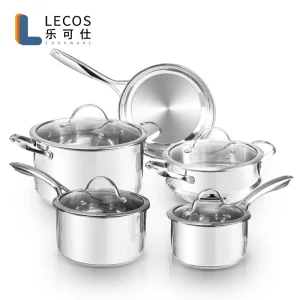
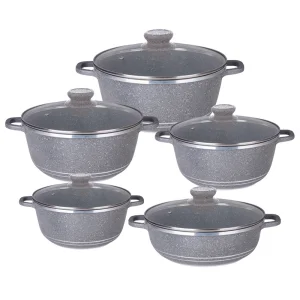
Explore our high-performance manufacturing lineup, specifically optimized for longevity and rapid thermal throughput.
Modern commercial bakery and industrial food production sectors are navigating rapid structural shifts driven by operational cost optimization, strict environmental compliance, and evolving food safety regulations. Among these shifts, the transition from traditional single-use baking parchment paper to high-performance reusable stainless steel composite baking mats is highly significant. These products combine the structural integrity of high-grade stainless steel wire mesh or sheet substrates with the non-stick heat-resilient surface layers of premium platinum-cured liquid silicone rubber (LSR).
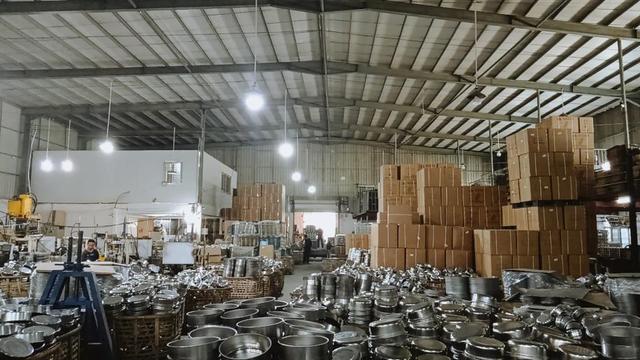
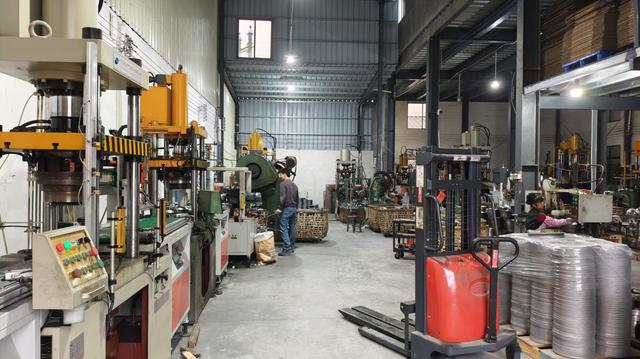
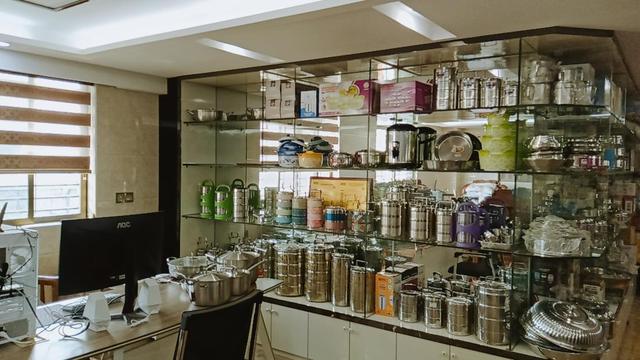
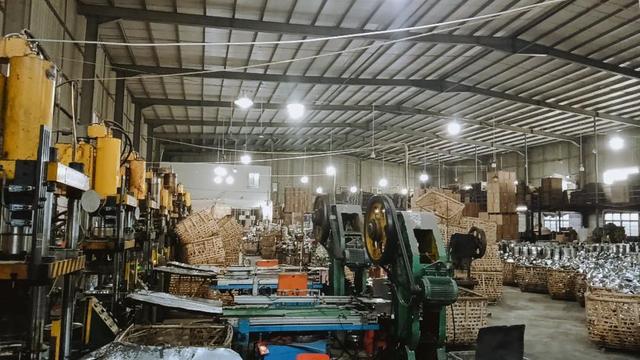
As a leading exporter, Foshan Sarap Kitchen Co., Ltd. has been at the forefront of this industrial transition since 2011. Utilizing our state-of-the-art facility covering over 22,000 square meters and employing a highly specialized workforce of more than 250 skilled engineers and operators, we formulate and manufacture commercial-grade culinary utilities. Our product development emphasizes high-temperature stability, absolute food-contact safety compliance, and precise manufacturing tolerances to satisfy high-volume requirements for global distributors, commercial bakeries, and brand owners.
Traditional silicone mats often rely on fiberglass cores, which suffer from structural degradation, micro-fracturing under high-frequency washing cycles, and dimensional instability when exposed to intense mechanical handling in automated rack ovens. Our new-generation stainless steel core baking mats resolve these weaknesses by incorporating a micro-woven 304 or 430 stainless steel structural core. This structural core is then encapsulated within a food-grade, PFOA-free silicone coating.
The micro-woven stainless steel wire core offers thermal conductivity up to 15 times higher than fiberglass. This guarantees rapid, uniform heat distribution across the surface of the baking mat. The layout eliminates localized hot spots, preventing bottom-surface scorching in industrial convection ovens while shortening cycle times by up to 12%.
We provide full-spectrum OEM and ODM customization services. B2B clients can adjust thickness configurations (ranging from 0.4mm to 1.2mm), surface friction levels (matte vs. gloss finish for dough release control), dimensions, and corner radii, while integrating laser-etched alignment markings or corporate branding.
High-tensile stainless steel wire mesh retains its structural tension under extreme temperature fluctuations (-40°C to 260°C). Our composite design mitigates the curling, warping, and shrinkage issues common to fiberglass mats when subjected to mechanical cleaning processes.
High-performance baking mats perform differently depending on the commercial and culinary environment. Our technical team works alongside regional distributors to adapt our designs to match regional baking customs and mechanical configurations.
In Europe, where high-hydration doughs (such as sourdough and artisanal baguettes) are common, baking mats must support crust formation and steam resistance. The steel core's thermal conductivity facilitates oven-spring, resulting in a crisp bottom crust and uniform crumb structure.
Quick Service Restaurant chains rely on speed and consistent food quality. Our composite baking mats feature non-stick surfaces designed for high-turnover prep and quick cleaning. This helps shorten sandwich, cookie, and pastry preparation cycles while lowering oil consumption.
Industrial lines freeze dough directly on the mats before proofing and baking. Our products endure quick-freezing shifts down to -40°C without cracking, and transition smoothly to hot ovens without needing transfer steps.
Operating in Foshan, Guangdong Province—a globally recognized industrial center for metalworking and kitchenware manufacturing—gives Foshan Sarap Kitchen Co., Ltd. a distinct structural advantage. The localized ecosystem integrates raw material procurement, high-precision processing equipment, skilled manufacturing labor, and logistics, enabling us to deliver cost-effective and dependable solutions.
We work directly with major domestic steel suppliers to secure premium 304 and 430 stainless steel. This steady access insulates our operations from market volatility and ensures consistent structural quality for our core components.
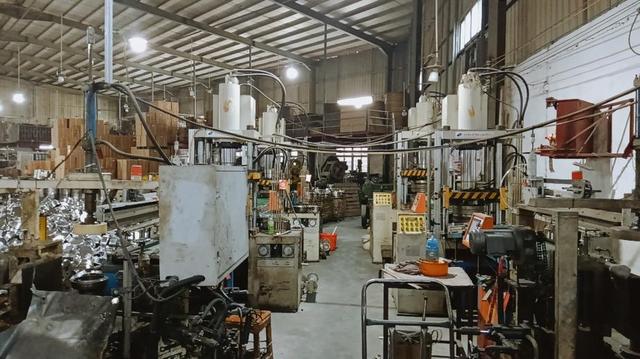
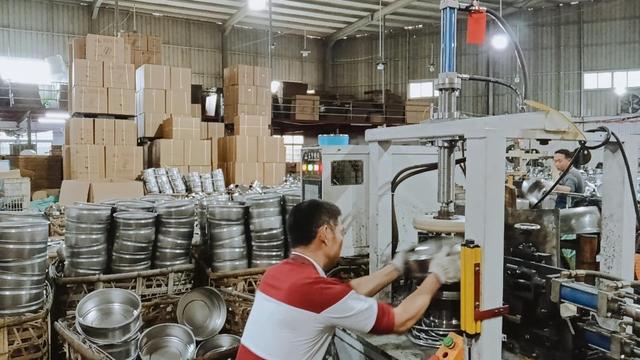
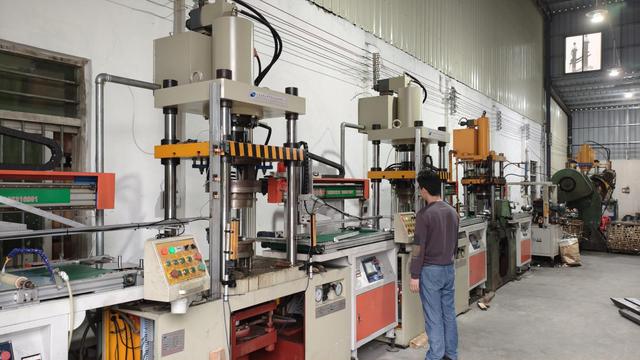
Our facility operates automated polishing systems, multi-axis precision stamping presses, and computerized liquid silicone injection molding lines. This hardware maintains strict production tolerances while minimizing human error.
Foshan's proximity to major international ports (including Guangzhou, Shenzhen, and Hong Kong) gives us access to flexible shipping schedules. This local infrastructure helps reduce transit times and lower freight costs for global shipments.
At Foshan Sarap Kitchen Co., Ltd., we continuously invest in materials research to meet shifting global regulatory requirements and support automated food-production systems. Our development roadmap focuses on three primary objectives:
We are researching alternatives to fluoropolymer coatings by developing inorganic ceramic-silicone composites. These hybrid formulations aim to increase abrasion resistance while maintaining safe food-contact properties.
We are testing baking mats embedded with thin, heat-tolerant RFID transponders. This technology helps commercial bakeries track batch numbers, cycle counts, and washing schedules on automated production lines.
We are establishing a recycling program for worn composite mats. By separating the silicone coating from the stainless steel mesh, we can recover and reuse the metal core, helping to reduce lifecycle waste.
Importing commercial kitchenware requires strict adherence to food safety standards, customs regulations, and liability rules. We maintain international certifications to ensure our products meet the required quality and safety levels for global distribution.
Our silicone materials and metal matrices undergo testing to meet FDA, LFGB, and REACH standards. We verify that our products remain free of volatile organic compounds, heavy metals, and PFOA.
Our 22,000-square-meter facility is regularly audited to verify compliance with ISO 9001 and BSCI standards. We enforce quality controls, fair labor practices, and transparent manufacturing workflows.
We provide localized branding options, custom packaging templates, and barcoding services (UPC/EAN) to help distributors simplify inventory management and prepare products for retail or industrial delivery.
Expert answers addressing the primary technical, manufacturing, and shipping inquiries raised by global procurement managers.
Stainless steel cores offer higher thermal conductivity, which ensures faster, more uniform heat distribution. They also resist warping and tearing under high mechanical stress, making them better suited for high-volume commercial bakeries.
We test our raw materials and finished products through third-party laboratories (such as SGS and TÜV). This process ensures that our silicone coatings and metal substrates remain free of PFOA, lead, and other regulated substances.
Our standard MOQ for custom sizes or custom branding starts at 1,000 units. Depending on order complexity, production lead times generally range between 25 and 35 days from receipt of the deposit.
Yes. Our silicone-encapsulated stainless steel mats are rated to handle temperatures from -40°C up to 260°C. They can transition directly from blast freezers to convection ovens without cracking or warping.
We implement quality checks at multiple stages: inspecting incoming raw materials, checking dimensions and thickness during production, and conducting final heat-resistance tests on finished batches before packaging.
Complementary kitchenware and commercial food equipment options manufactured to meet rigorous professional standards.