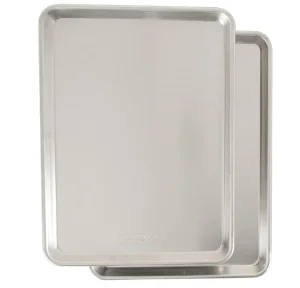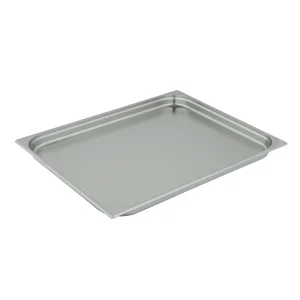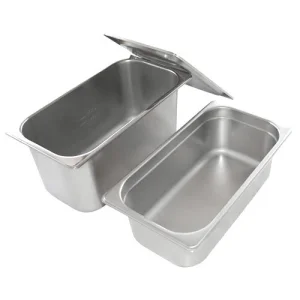
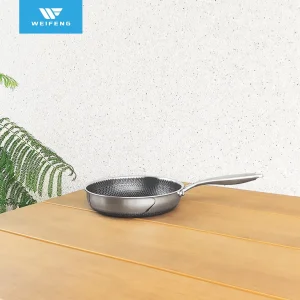

In modern industrial hospitality, commercial catering, and retail supply chains, the choice of serving hardware directly impacts operational longevity, safety protocols, and brand reputation. As a leading hub for culinary manufacturing, the Foshan region in China hosts world-class manufacturing infrastructures capable of synthesizing advanced steel metallurgy with smart production design. Stainless steel serving trays and GN pans are no longer treated as passive food-carrying vessels; they are highly engineered solutions designed to resist intense thermal cycles, severe chemical sanitizer exposure, and continuous physical impacts.
For global procurement executives, sourcing products from a certified manufacturer is crucial. The structural layout, material composition, and surface topography of a stainless steel serving tray determine its resistance to pitting, crevice corrosion, and microbial adherence. By partnering with advanced manufacturing plants like Foshan Sarap Kitchen Co., Ltd., commercial buyers ensure their procurement pipelines align with internationally recognized food-safety frameworks, local labor standards, and optimized freight logistics.
A tray's functional life cycle is predetermined by the chemical composition of its alloy. In commercial food service environments, three primary steel classifications dominate the supply chain: Austenitic SUS304 (18/8), SUS316 (18/10), and Ferritic SUS430. Understanding the specific chemical limits of these materials helps prevent early corrosion and mechanical fatigue.
| Alloy Grade | Chromium (Cr) % | Nickel (Ni) % | Molybdenum (Mo) % | Corrosion Resistance | Ideal Application Environment |
|---|---|---|---|---|---|
| SUS304 | 18.0 - 20.0% | 8.0 - 10.5% | - | High | Commercial cafeterias, hospitality, hotel buffets, and standard cooking ware. |
| SUS316 | 16.0 - 18.0% | 10.0 - 14.0% | 2.0 - 3.0% | Ultra-High | Marine catering, high-acid food handling, pharmaceutical cleanrooms. |
| SUS430 | 16.0 - 18.0% | < 0.75% | - | Moderate | Magnetic induction-compatible trays, dry-goods serving ware. |
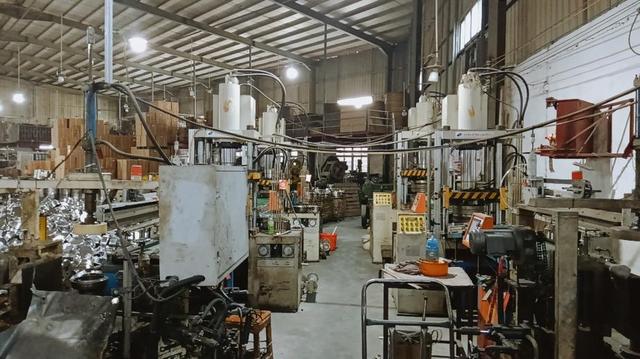
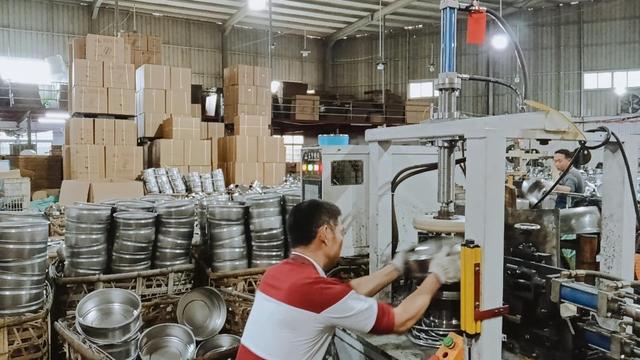
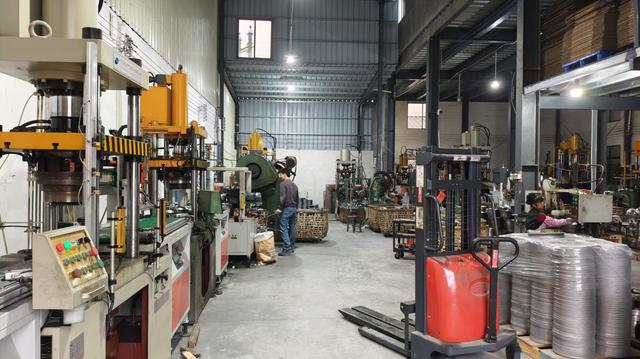
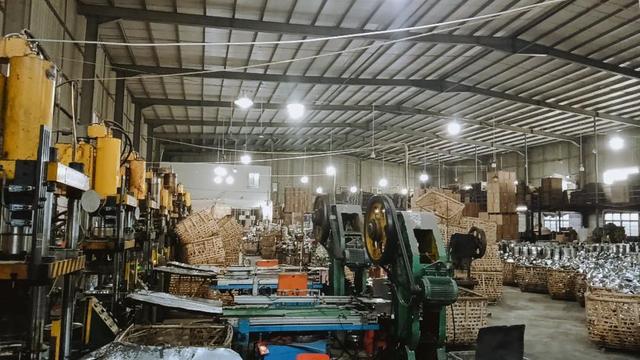
Located in the heart of Guangdong's kitchenware manufacturing hub, Foshan Sarap Kitchen Co., Ltd. operates a 22,000-square-meter facility structured around digital manufacturing principles. Through modern robotics, automated deep-drawing presses, and continuous annealing furnaces, our facility minimizes manufacturing variations to ensure consistent product dimensions.
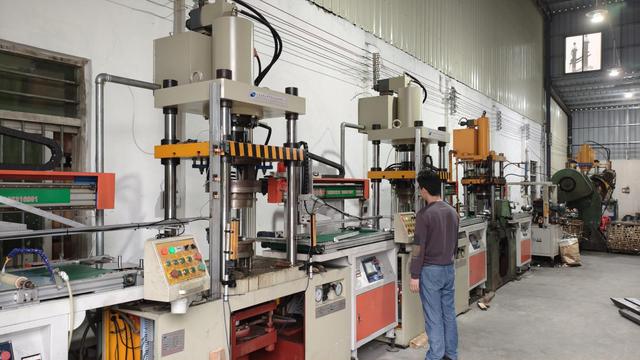
The primary manufacturing phase relies on high-tonnage progressive die stamping, which forces flat steel sheets into complex shapes without creating localized wall thinning. In traditional manufacturing setups, corners of deep serving pans and GN trays suffer from high stress concentration and wall thinning, leading to premature warping or structural puncture. Foshan Sarap's automated progressive systems maintain uniform wall thickness, ensuring durability throughout the tray's operational life.
Our automated polishing lines achieve consistent surface roughness (Ra < 0.4 μm), minimizing food residue adhesion and streamlining sanitation cycles.
Incoming raw coils undergo PMI (Positive Material Identification) testing to prevent low-nickel or substandard metals from entering the production line.
Our location in Foshan, Guangdong provides direct access to primary metal markets, local tooling suppliers, and deepwater ports for simplified shipping.
The commercial serving and cookware sector is evolving to meet new demands for efficiency, traceability, and environmental responsibility. Foshan Sarap's R&D division has outlined a strategic roadmap focusing on four key areas:
1. Multi-Ply Clad Heat-Retention Trays: By sandwiching high-conductivity aluminum cores between food-grade 304 stainless steel and magnetic 430 stainless steel, we create serving platters that maintain even food temperatures on induction warmers without hot spots or scorching.
2. Ecological PVD Surface Finishes: Traditional chrome plating generates chemical waste. We are expanding our Physical Vapor Deposition (PVD) capacities to apply titanium-based coatings in gold, copper, and charcoal gray. These coatings offer high hardness (HV > 2000) and are fully food-safe.
3. IoT-Enabled Foodservice Tracking: Future commercial tray systems will feature integrated NFC/RFID identifiers. This technology helps caterers and automated kitchens track inventory, manage washing cycles, and optimize thermal holding times.
4. Smart Ergonomics: Incorporating air-insulated double walls and reinforced perimeter rims reduces tray deflection under heavy loads and prevents heat transfer to service staff, improving workplace safety.
Commercial clients often require specialized dimensioning, specific gauge thicknesses, and custom branding. Our flexible manufacturing setup supports high-volume custom production tailored to specific brand guidelines.
Customization Scope: We offer custom choices in thickness (0.6mm to 1.5mm), material grades, custom embossing, laser-etched branding, and surface treatments like satin, mirror, or matte. Our engineering team uses CAD/CAM modeling to transition from product drafts to finished steel prototypes within 15 days.
| Customizable Options | Available Options | Primary Target Audience |
|---|---|---|
| Thickness Range | 0.5mm / 0.8mm / 1.0mm / 1.2mm / 1.5mm | Aviation catering (lightweight) to heavy-duty institutional dining halls (heavy gauge). |
| Surface Texture | Electropolished Mirror, Satin Brush, PVD Gold, Non-slip Silicon Coated | Banquets and luxury hospitality venues requiring custom visual presentation styles. |
| Branding Application | Laser engraving, Hydraulic deep-stamping, PVD color etching | Cookware brands, commercial food distributors, and hotel networks. |
| Edge Finishing | Open curl, Hemmed safety-rim, Reinforced wire-in-rim | Quick-service restaurants and commercial bakeries requiring sturdy, warp-resistant edges. |
Global supply chains require strict adherence to international health and safety regulations. Food-contact metal products must undergo rigorous testing to verify they do not leach heavy metals into food under acidic or high-temperature conditions.
All raw stainless steel coils sourced by Foshan Sarap Kitchen Co., Ltd. are certified compliant with FDA Title 21 CFR and European LFGB standards. Our factory maintains ISO 9001:2015 quality management certification and participates in BSCI audits to verify ethical manufacturing practices. When importing our products to North America, Europe, or the Asia-Pacific region, you receive comprehensive testing certificates that facilitate simple customs clearance and ensure product compliance.
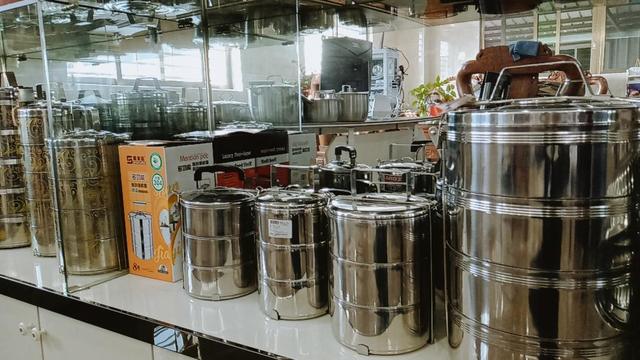
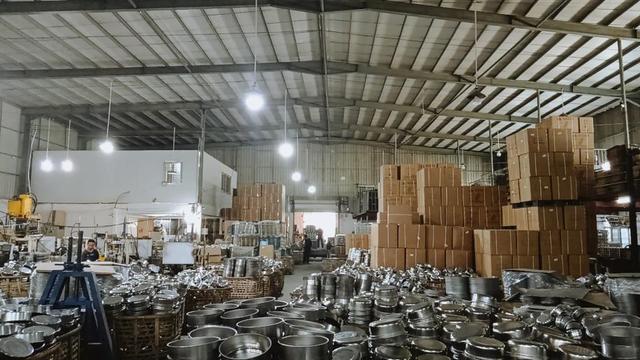
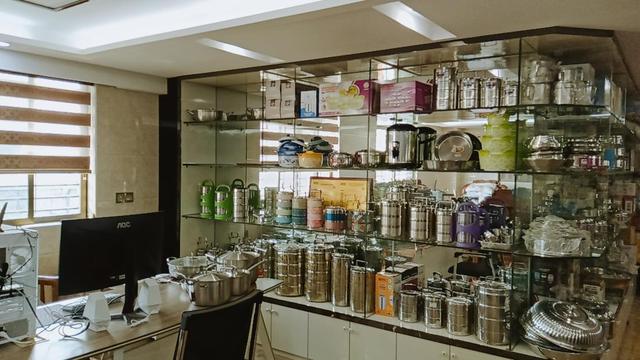
Take a virtual tour of our 22,000-square-meter facility in Foshan, Guangdong. Below are actual images showing our raw material storage, progressive stamping machinery, automated polishing lines, and finished product packaging areas.
Austenitic 304 stainless steel contains 18% chromium and 8% nickel, creating a stable crystalline structure that offers excellent corrosion resistance. This alloy resists staining from organic food acids and remains stable under high-temperature sanitizing cycles. Its high ductility enables deep drawing and precise stamping without creating micro-fissures in corner radiuses, which can harbor bacteria in food-service environments.
Warping is typically caused by uneven stress distribution during stamping or thin metal walls. We prevent warping through three main processes: using heavy-gauge raw materials (typically 0.8mm to 1.2mm depending on dimensions), employing progressive die-stamping to maintain uniform wall thickness, and forming reinforced, folded safety rims that act as structural beams to resist twisting under load.
Our materials and products are tested to comply with international regulations. We provide certificates for FDA Title 21 CFR (for the US market), LFGB regulations (for the EU market), and CE certification. Additionally, our raw materials undergo positive material identification (PMI) testing to confirm elemental compliance before production starts.
For OEM orders requiring new molds, the prototyping cycle takes approximately 15 to 20 days, which includes CAD blueprint approval, tooling fabrication, and initial sample production. Once prototype samples are approved by the client, bulk production runs typically take 30 to 45 days, depending on order volume and the complexity of the customized designs.
Rough surfaces contain microscopic valleys where food residues, mineral deposits, and bacterial biofilm can accumulate, resisting standard rinsing. Our electropolishing and robotic finishing lines achieve a surface roughness (Ra) of less than 0.4 microns. This smooth finish helps prevent bacteria from adhering and simplifies standard cleaning and sanitization procedures.