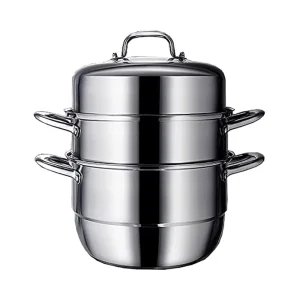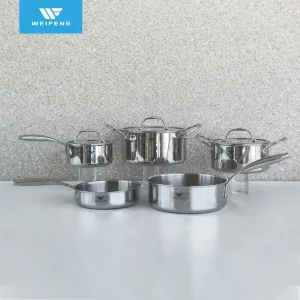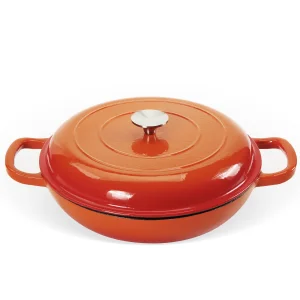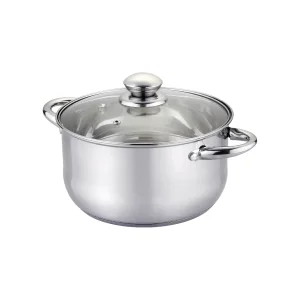
In modern industrial food production, high-throughput commercial dining, and residential kitchens, precision temperature measurement is no longer a luxury—it is a critical requirement for regulatory compliance and culinary excellence. The international food service industry operates under strict Hazard Analysis Critical Control Point (HACCP) regulations. Keeping foods at exact temperatures during thermal processing prevents pathogen cultivation while ensuring structural and chemical qualities of the ingredients remain intact.
As a leading exporter of heavy-duty food preparation gear, Foshan Sarap Kitchen Co., Ltd. recognizes that thermodynamic stability in cookware must work hand-in-hand with accurate measurement tools. Stainless steel cooking thermometers, mechanical dial sensors, probe-based digital units, and smart wireless thermal trackers serve as the defensive line against cross-contamination and undercooking. By fabricating high-caliber stainless steel housings for these critical instruments, manufacturers ensure they resist the harsh environment of highly acidic foods, extreme moisture, high-pressure steam, and aggressive chemical cleaners.
In the culinary instrumentation supply chain, food-grade stainless steel (predominantly AISI 304 and AISI 316) is the material of choice. Stainless steel cooking thermometers designed with 304/316 grade stems and bezels possess high resistance to pitting corrosion, oxidation, and mechanical stress. The integration of high-conductivity metals within multi-clad cooking surfaces ensures uniform heat distribution, which minimizes local hot spots that lead to false readings on external or internal thermometer probes. When high-performance cookware is coupled with high-caliber temperature monitoring, chefs and processing plants gain absolute command over their thermal outputs.
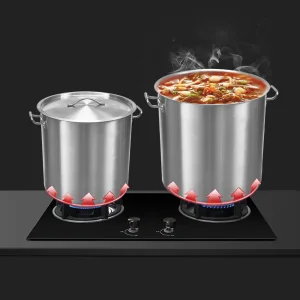
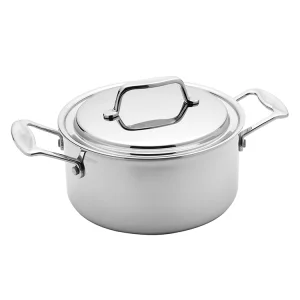
Understanding the thermodynamics of stainless steel cookware and temperature-sensing equipment is key for global B2B buyers. Stainless steel, on its own, is highly prized for its hygiene and strength, but has relatively low thermal conductivity compared to copper or aluminum. To solve this, advanced factories implement multi-ply clad architectures—such as 3-ply and 5-ply composite structures. These combine the structural integrity and chemical neutrality of stainless steel with the fast heat transfer capabilities of encapsulated aluminum cores.
| Stainless Steel Grade | Composition (Cr/Ni) | Corrosion Resistance | Common Culinary Applications |
|---|---|---|---|
| AISI 304 (18/8 or 18/10) | 18% Chromium, 8-10% Nickel | High (Resists standard organic acids) | Premium stock pots, steam tables, thermometer housing |
| AISI 316 | 16-18% Cr, 10-14% Ni, 2-3% Mo | Outstanding (Resists chlorides & saline environments) | Heavy-duty commercial kettles, marine culinary tools, marine thermometer probes |
| AISI 430 | 16-18% Chromium, 0% Nickel | Moderate (Magnetic nature) | Induction compatible bottom layers for multi-ply pans |
For measurement instruments like food thermometers, the choice of stainless steel protects the inner sensor (whether it be a bimetallic coil, NTC thermistor, or RTD sensor) from high humidity, boiling liquids, and fat splatters. When calibrated correctly within an airtight stainless steel capsule, these thermometers display negligible latency, delivering accurate real-time readings within ±0.5°C. Selecting a supplier that matches high-purity alloy standards with precision calibrations represents the pinnacle of operational reliability.
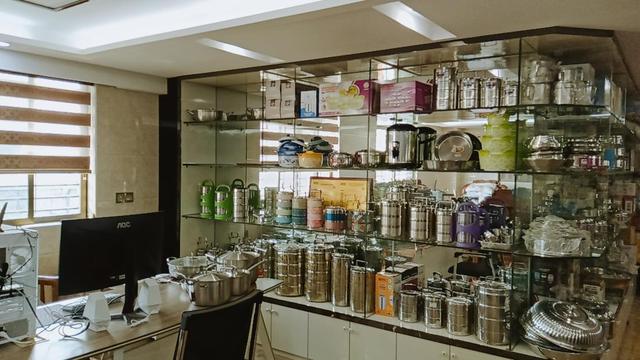
Foshan Sarap Kitchen Co., Ltd. is a professional manufacturer specializing in stainless steel cookware and kitchenware solutions for residential, commercial, and professional culinary applications worldwide. Established in 2011, the company is located in Foshan, Guangdong Province, one of China's leading manufacturing hubs for kitchenware and household products. With a production facility covering over 22,000 square meters and a workforce of more than 250 employees, Sarap Kitchen has developed comprehensive capabilities in cookware design, manufacturing, quality control, and international export services.
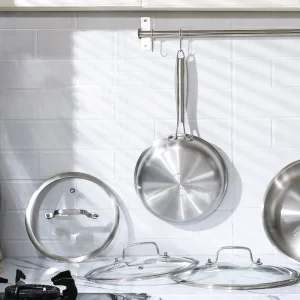
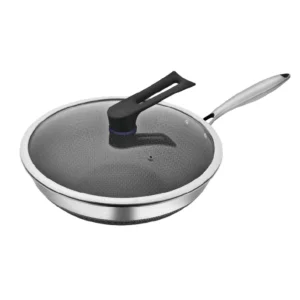
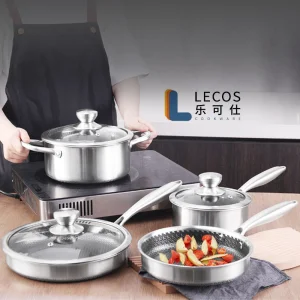
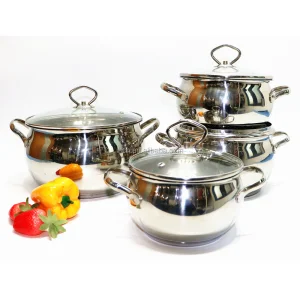
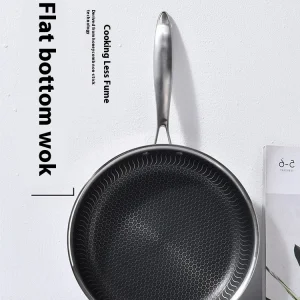
The company focuses on the production of stainless steel frying pans, saucepans, stock pots, sauté pans, casserole pots, steamers, cookware sets, and customized kitchenware products. Utilizing advanced manufacturing equipment, automated polishing lines, precision forming technologies, and strict quality management procedures, Sarap Kitchen delivers cookware solutions designed for durability, heat distribution efficiency, and long-term performance.
Serving distributors, retailers, hospitality groups, cookware brands, and foodservice equipment suppliers, Sarap Kitchen offers flexible OEM and ODM manufacturing services. Customers can customize product specifications, materials, surface finishes, handles, packaging, branding, and private-label requirements to meet diverse market demands.
Innovation and product development remain central to the company's growth strategy. Its engineering team continuously explores improvements in multi-ply construction, induction-compatible designs, ergonomic features, and sustainable manufacturing practices. Every product undergoes rigorous inspection throughout the production process to ensure consistency and compliance with international quality standards.
Today, Foshan Sarap Kitchen Co., Ltd. exports to North America, Europe, the Middle East, Southeast Asia, South America, and other global markets. Through reliable manufacturing capabilities, customer-oriented service, and continuous product innovation, the company supports partners seeking high-quality stainless steel cookware solutions for both household and commercial kitchens.
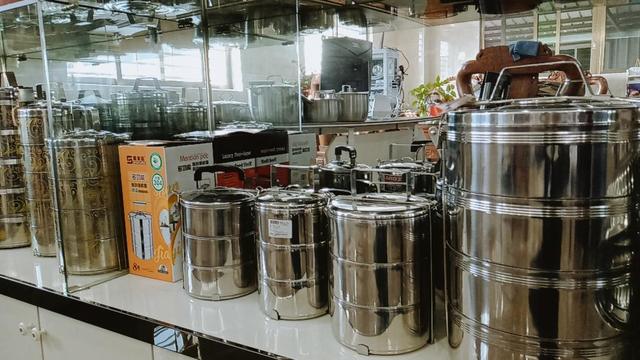
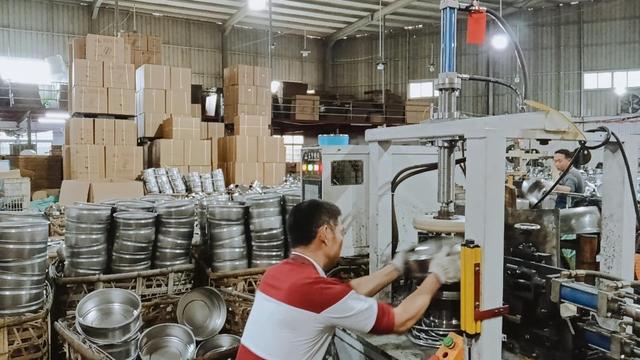
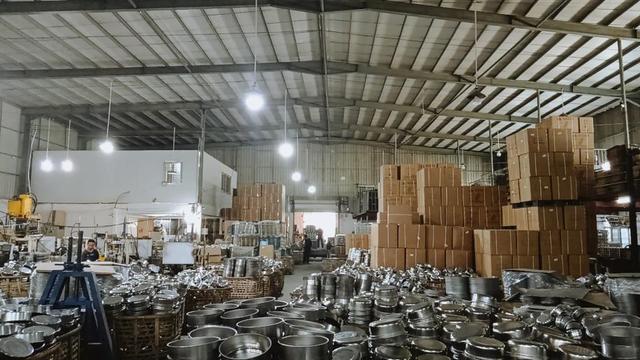
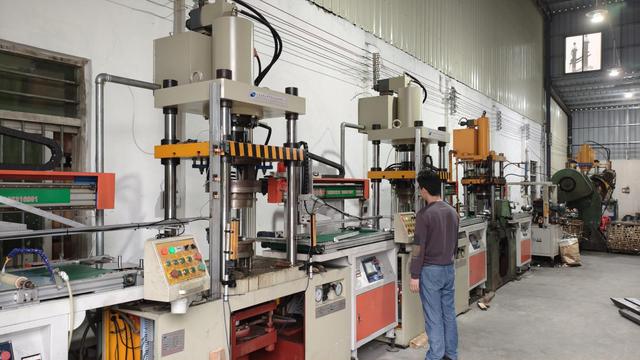
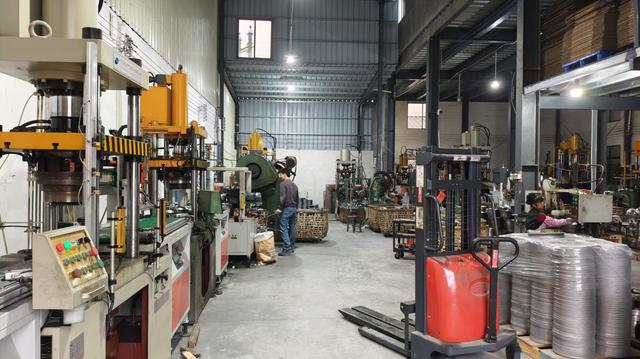
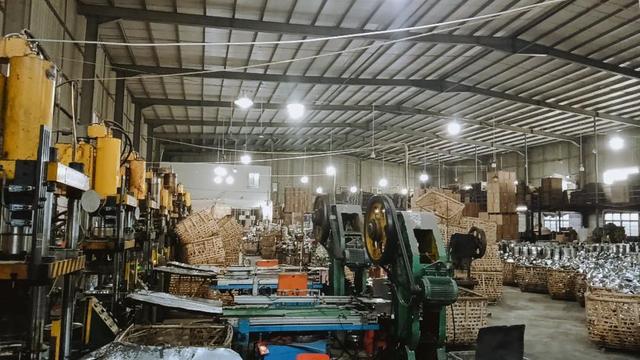
The concentration of kitchenware manufacturers in Foshan, Guangdong Province creates a highly dense industrial ecosystem. Sourcing stainless steel cooking vessels and thermal monitoring instruments from this region provides global B2B buyers with major logistics and procurement benefits. The proximity to raw metal refineries, surface treatment plants, casting factories, and calibration facilities minimizes transportation times and lowers manufacturing overheads.
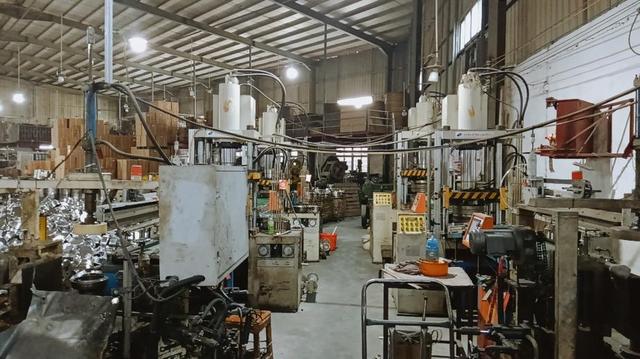
Automation plays a pivotal role in keeping China's top factories competitive. By deploying robotic welding cells, automated sheet metal stamping presses, and multi-stage automatic polishing setups, Foshan Sarap Kitchen Co., Ltd. achieves high yield rates and dimensional consistency across batches. This automation eliminates human error in metal forming, ensuring that every lid fits tightly and every thermocouple adapter is welded perfectly to prevent food trap hazards, conforming directly to international sanitation standards.
In addition, direct access to the ports of Shenzhen, Guangzhou, and Hong Kong facilitates streamlined customs clearance and sea freight consolidation. Whether shipping container-loads of multi-ply induction-ready casserole pots or high-precision industrial food thermometers, global distributors can leverage the region's shipping infrastructure to lower transport times and landing costs.
The culinary world is experiencing a paradigm shift towards connected and smart kitchen ecosystems. Next-generation stainless steel cooking thermometers are moving away from traditional bimetal dials and standard wired probes towards integrated Bluetooth Low Energy (BLE) and Wi-Fi-enabled smart needles. These sensors connect directly to kitchen display systems (KDS) and cloud platforms, monitoring critical temperatures in real time and automatically logging data to demonstrate HACCP compliance.
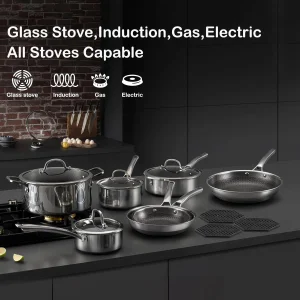
On the cookware side, materials engineering is advancing to support high-efficiency induction heating. Manufacturers are refining multi-layer clad configurations to optimize energy conversion on magnetic induction cooktops. By pairing these fast-responding pans with smart thermal probes, chefs can automate temperature profiles, keeping delicate sauces at exact temperatures or searing steaks with precise accuracy. As global energy regulations tighten, using highly conductive, induction-compatible, and smart-monitored cooking gear will become essential for minimizing carbon footprints and food waste.