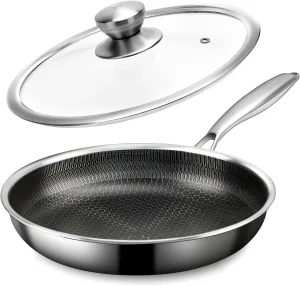
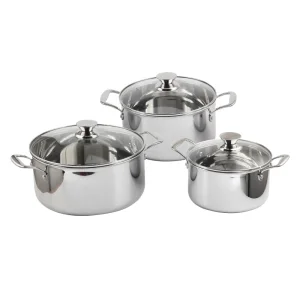
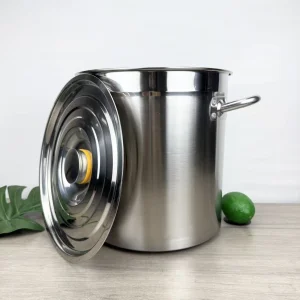
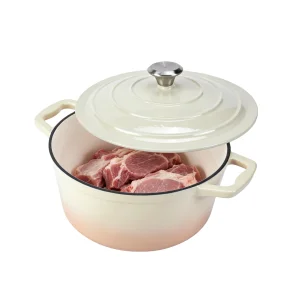
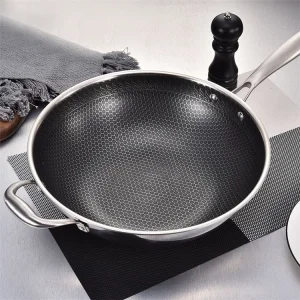
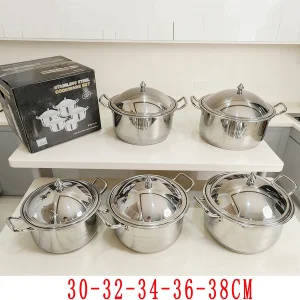
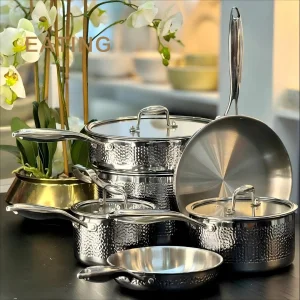
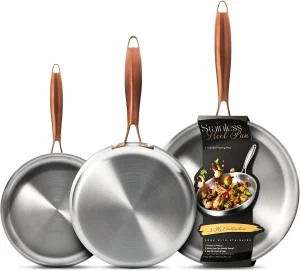
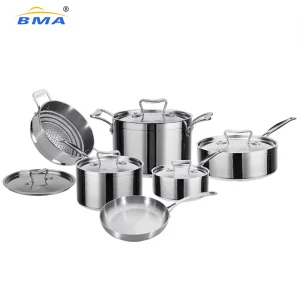
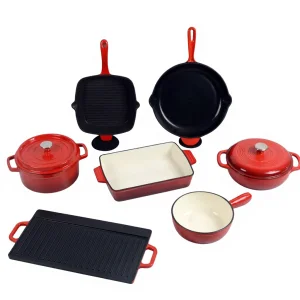
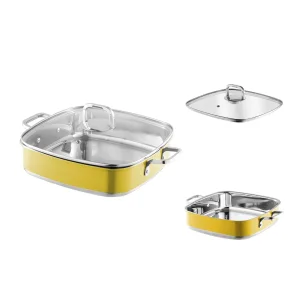
Engineered to withstand rigorous commercial applications, our product line integrates induction capability, structural stability, and food safety certification.
In modern high-throughput commercial culinary preparation and large-scale catering environments, mixing and cooking vessels represent critical nodes where material integrity directly intersects with process reliability. High-alloy food-grade stainless steels—most notably 304 (18/8) and 316 (18/10) grades—serve as the industry standard. Their thermal properties, mechanical tensile strength, and superior chemical passivation layers remain essential under extreme chemical, thermal, and mechanical stresses.
For B2B procurement officers, distributors, and kitchen equipment engineers, identifying partners who act as a verified CE Certified Stainless Steel Mixing Tools Exporter is crucial. CE certification confirms compliance with stringent European Union directives, specifically Regulation (EC) No 1935/2004 on food contact materials and Directive 2011/65/EU (RoHS). These standards verify that heavy metal extraction levels (nickel, chromium, manganese) remain well below dangerous limits under acidic, basic, and high-temperature conditions.
Exploring structural composite variations, surface finishes, and heat transfer efficiency across modern professional applications.
We build our commercial cookware systems around specific metallurgical grades designed for durability and food safety:
Single-sheet stainless steel exhibits poor thermal conductivity. Our high-performance mixing tools and pans utilize clad composite sheets:
We deploy advanced surface engineering techniques to improve physical release characteristics and durability:
| Performance Attribute | Monolithic SUS304 | Tri-Ply Clad Composite | Enameled Heavy Cast Iron | Carbon Steel (Protected) |
|---|---|---|---|---|
| Thermal Conductivity | 16.2 W/m·K (Low) | 145 W/m·K (High / Al-Core) | 50 W/m·K (Moderate) | 54 W/m·K (Moderate) |
| Acid Resistance (pH < 4.0) | Excellent | Excellent | Excellent (Enameled Only) | Poor (High Corrosion Risk) |
| Induction Compatibility | Non-Magnetic (Generally No) | Yes (SUS430 Outer Clad) | Yes | Yes |
| Tensile Strength (Yield Point) | ≥ 205 MPa | ≥ 310 MPa (Clad Interface) | ≥ 150 MPa | ≥ 280 MPa |
A precision manufacturing hub engineered to support global supply chains with consistent quality, scale, and technical compliance.
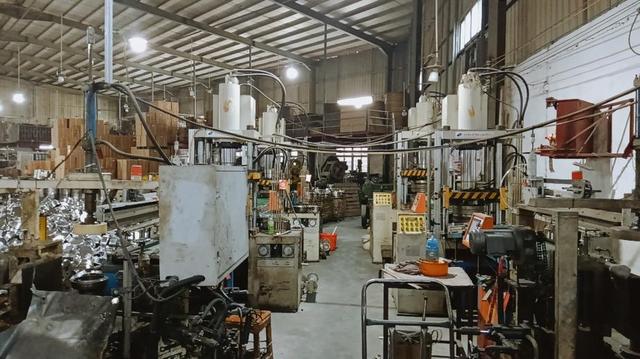
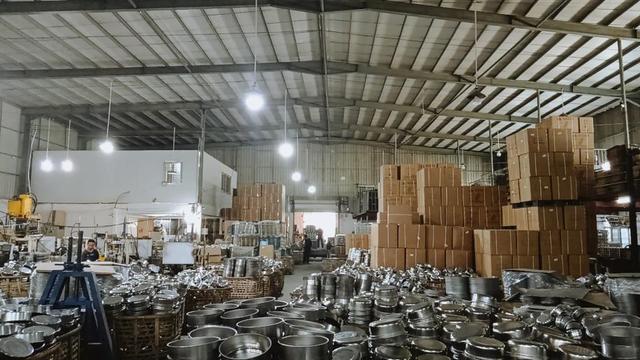
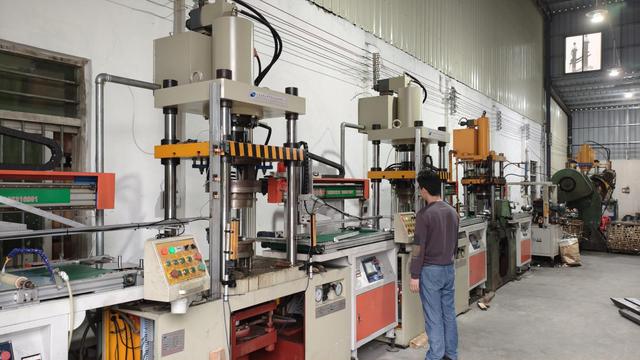
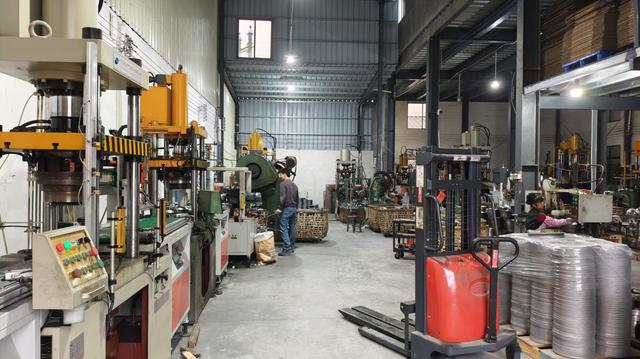
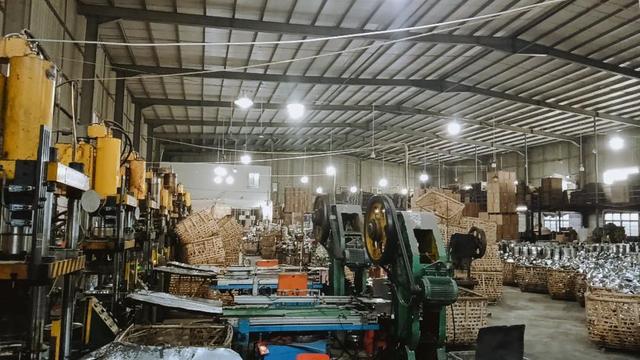
Established in 2011 in Foshan, Guangdong Province—a leading hub for stainless steel metallurgy and manufacturing—Foshan Sarap Kitchen Co., Ltd. operates a facility covering over 22,000 square meters. Guided by an experienced engineering and management team, our facility features 250+ skilled workers operating specialized machinery designed to manufacture high-durability B2B cookware.
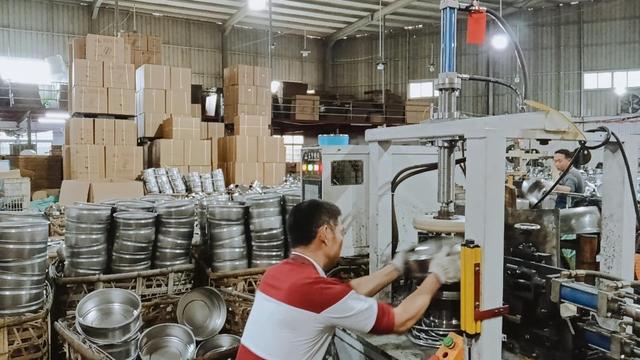
Our facility runs automated polishing lines, hydraulic deep-drawing presses, automated robotic welding stations for secure handle attachment, and multi-stage ultrasonic cleaning systems. These production lines support flexible, high-volume production for cookware and mixing tools, maintaining a low defect rate and fast cycle times.
By using direct sourcing for premium raw steel coils and maintaining ISO-compliant quality gates, we help our partners optimize their margins while mitigating global supply chain risks. We deliver reliable OEM and ODM services that match the strict procurement standards of global brands, hotel suppliers, and retail distributors.
Designing tools for high-temperature durability, structural stability, and hygienic standards in demanding commercial settings.
Handle failure is a common issue in commercial kitchens. Our products utilize robust joining methods designed for structural longevity:
Proper weight distribution and heat management protect kitchen staff and improve daily operational efficiency:
Commercial equipment must facilitate quick, complete sanitation to meet international health regulations:
A B2B procurement matrix designed to meet international import standards and logistics requirements.
Our manufacturing and quality assurance frameworks align with major regulatory programs:
We work to secure and streamline raw material logistics and manufacturing schedules:
Our team coordinates logistics across ocean, rail, and air freight networks:
Analyzing shifts in manufacturing efficiency, materials science, and commercial kitchen demands.
Future cookware design focuses on multi-ply composite configurations that reduce overall weight while maintaining mechanical strength and thermal distribution. The development of high-entropy alloys and advanced cladding processes helps limit thermal warping under repetitive heating cycles.
As commercial kitchens shift away from gas systems, optimizing induction performance is a core focus. We are developing specialized base geometries designed to maintain flat, full contact with induction cooktops, preventing the base deformation that can be caused by thermal expansion differences between multi-layer metals.
We are incorporating PCR (Post-Consumer Recycled) stainless steel alloys into our raw material supply chain. Modern processing technologies maintain the purity and corrosion-resistant properties of these recycled metals, supporting the environmental goals of global buyers.
A structured evaluation checklist designed for B2B buyers to verify material quality, mechanical strength, and manufacturing reliability.
Common questions from B2B buyers regarding metal grades, certifications, manufacturing methods, and logistics.
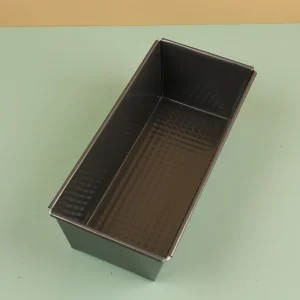
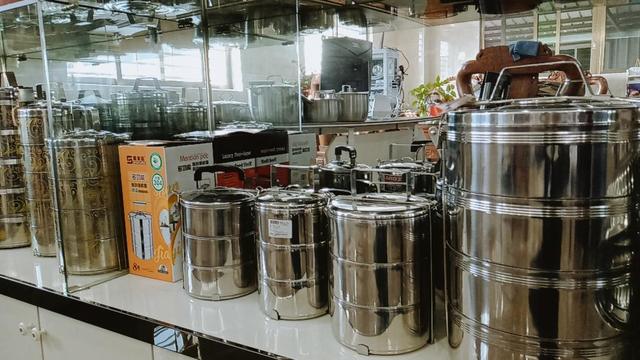
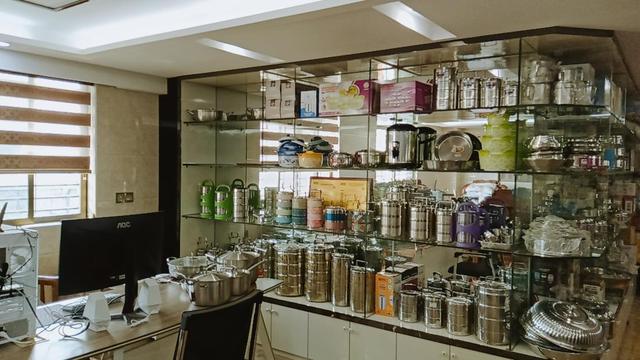
A comprehensive selection of professional cooking pots, frying pans, and specialized bake ware designed for modern kitchens.