The debate around cookware often centers on one question: is stainless steel cookware better than nonstick cookware? Both options have their loyal advocates, each claiming superior qualities that suit different cooking styles. Stainless steel is renowned for its durability and versatility. It excels in high-heat cooking, making it a preferred choice for searing meats. In contrast, nonstick options offer convenience and ease of use, especially for delicate foods like eggs and pancakes.
However, there are nuances to consider. Stainless steel can be unforgiving if not properly maintained. Food can stick if the cookware is not preheated correctly. Nonstick surfaces, while easy to clean, may deteriorate over time and require careful handling. Choosing between the two often reflects personal cooking preferences and health concerns.
Ultimately, understanding each type's advantages and limitations can guide informed decisions. As you ponder, remember that the best cookware choice may depend on your unique culinary needs and habits. It's crucial to weigh the pros and cons thoroughly to find what truly works best for you.
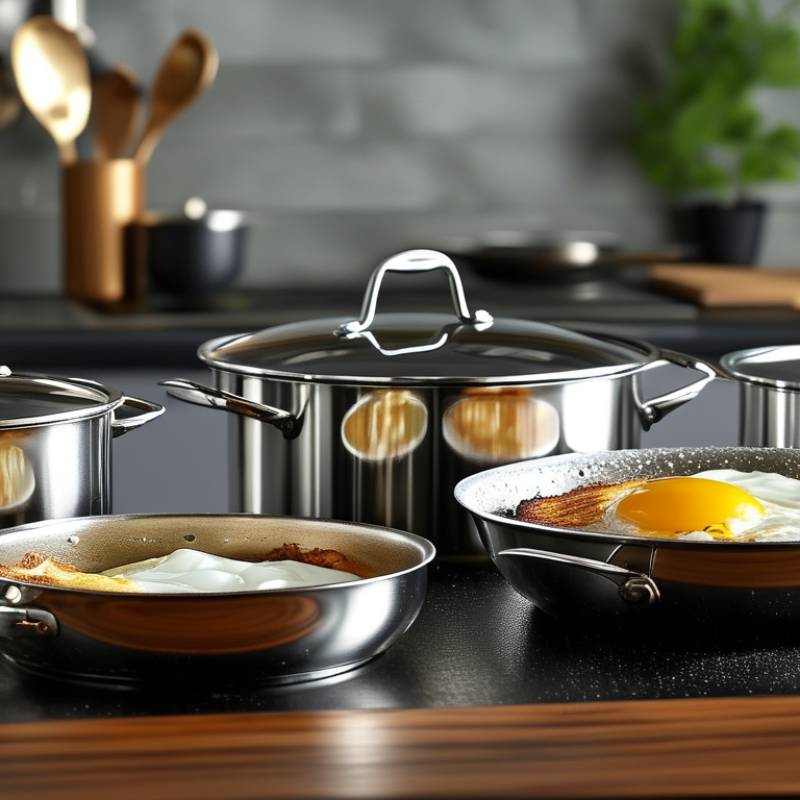
Comparison of Durability: Stainless Steel vs. Nonstick Cookware
When it comes to cookware, durability is a key factor to consider.
Stainless steel cookware has earned a reputation for being long-lasting and resilient.
Unlike nonstick surfaces, stainless steel can withstand higher temperatures without warping or degrading.
This allows for a variety of cooking techniques, such as browning and deglazing, which enhance flavor.
Over time, stainless steel can develop a bit of discoloration, but this does not affect its performance.
On the other hand, nonstick cookware is beloved for its easy food release.
However, it can face significant wear and tear over time. The nonstick coating may scratch or peel, especially with metal utensils.
Exposure to high heat can also compromise its integrity, limiting its cooking capacity.
Many find themselves replacing nonstick pans more frequently.
This aspect raises questions about sustainability and long-term cost-efficiency.
It’s essential to weigh ease of use against potential durability concerns.
Each choice has its trade-offs, influencing the overall cooking experience.
Health Considerations: Chemical Safety in Nonstick Coatings
When considering health aspects, nonstick coatings often spark concern. These coatings contain chemicals that may pose risks. Some nonstick products use polytetrafluoroethylene (PTFE) and perfluorooctanoic acid (PFOA). Though PFOA has been largely phased out, worry still lingers about potential exposure.
Many people find nonstick cookware convenient. Food slides off easily, making cooking and cleaning simpler. However, it is vital to review the safety standards of these coatings. Not all nonstick pans are created equal; some may release harmful fumes when overheated. This possibility raises questions about long-term health effects on those who regularly cook with them.
**Tip:** Opt for high-quality nonstick cookware with clear safety ratings. Avoid using metal utensils that can scratch the surface.
Stainless steel offers an alternative. It does not contain harmful chemicals and is durable. However, it can stick, leading to frustration. Ultimately, the choice hinges on personal preference and cooking styles.
**Tip:** Use oils to reduce sticking in stainless steel pans. Seasoning them can also enhance their nonstick properties over time.
Is Stainless Steel Cookware Better Than Nonstick Cookware? - Health Considerations: Chemical Safety in Nonstick Coatings
| Cookware Type |
Material |
Heat Resistance |
Chemical Safety |
Durability |
Maintenance |
| Stainless Steel |
Stainless Steel Alloy |
High (up to 500°F) |
Safe (no harmful chemicals) |
Very Durable (scratch-resistant) |
Easy to Clean (dishwasher safe) |
| Nonstick |
PTFE or Ceramic Coated |
Moderate (typically up to 400°F) |
Risk (possible toxins when overheated) |
Good (can scratch easily) |
Gentle Cleaning Required (not always dishwasher safe) |
Heat Conductivity: Performance Analysis of Stainless Steel and Nonstick
When it comes to cookware, heat conductivity plays a crucial role in cooking performance.
Stainless steel and nonstick cookware offer different advantages based on their material properties. Stainless steel is renowned for its excellent heat conduction. It can achieve high temperatures quickly, allowing for effective searing and browning. The smooth surface ensures that heat is evenly distributed across the pan. This is particularly beneficial for techniques like sautéing and pan-frying, where precision is key.
On the other hand, nonstick cookware excels in preventing food from sticking. It requires less oil, making it a popular choice for health-conscious cooks. However, the heat retention can be less favorable. Nonstick pans may struggle with high-heat cooking, potentially leading to uneven results. Users may find that food can sometimes cook unevenly, especially if the heat is not closely monitored. It’s critical to pay attention to cooking temperatures to avoid damaging the nonstick coating.
Both types have their merits and drawbacks. A common concern with stainless steel is that it can be challenging to clean after cooking certain foods. This can discourage some users. Meanwhile, the lifespan of nonstick coatings raises questions. Many do not last as long as their stainless steel counterparts, leading to replacement needs. Cooking habits and preferences should guide your choice, as each material serves different culinary purposes.
Maintenance and Care: Long-term Use of Cookware Materials
When considering cookware, maintenance and care play a vital role in longevity. Stainless steel cookware stands out for its durability. It resists scratches and stains, making it ideal for daily use. However, it requires proper cleaning techniques to maintain its shine. Stainless steel can discolor if not cared for properly. Scrubbing with abrasive cleaners may damage its surface. Using gentle cleansers is essential for lasting quality.
Nonstick cookware offers convenience in cooking. Food easily releases, and cleanup is simple. However, its lifespan can be limited. Nonstick coatings may wear off over time, especially with harsh utensils. This can lead to uneven cooking as the surface degrades. Regular inspection for scratches is critical. When nonstick pans show signs of wear, it’s time to consider replacement.
Both types have unique care requirements. Stainless steel needs routine polishing to combat tarnishing. Nonstick requires cautious handling to avoid damage. Taking these factors into account can enhance your cooking experience. Cooking styles and personal preferences influence which material is best for each home. Balancing these aspects is a vital part of cookware care.
Cost-Effectiveness: Evaluating Longevity and Replacement Rates of Cookware
When choosing cookware, cost-effectiveness often plays a crucial role. Stainless steel and nonstick cookware vary greatly in terms of longevity. Stainless steel can last for many years, often outliving nonstick pans. The solid construction of stainless steel allows for high durability, making it a reliable choice.
Nonstick cookware, while convenient, has a shorter lifespan. Over time, the nonstick coating can degrade and may require replacement. This leads to increased long-term costs. A significant consideration is the replacement rate of nonstick pieces. Many users find themselves replacing them every few years. This can add up and diminish any initial savings.
Evaluating the long-term perspective is essential. Stainless steel may come with a higher upfront cost, but it can prove more economical over time. Investing in durable cookware can reduce waste and save money. In contrast, the quick convenience of nonstick options is tempting but can lead to ongoing expenses. Carefully weighing these factors helps make an informed choice.
Comparative Longevity and Replacement Rates of Cookware
FAQS
: Stainless steel is more durable and withstands high temperatures better than nonstick. Nonstick surfaces wear out faster.
Stainless steel heats evenly and quickly, ideal for browning. Nonstick is great for low heat but can unevenly cook.
Nonstick cookware allows easy food release and requires less oil, making it appealing for health-conscious cooks.
Stainless steel can be difficult to clean, especially after cooking sticky foods, which may discourage some users.
Nonstick cookware usually needs replacing more frequently due to scratches or peeling. Users often find this inconvenient.
Yes, nonstick frying pans tend to have a shorter lifespan, raising questions about long-term cost and environmental impact.
Consider your cooking habits. Each material has trade-offs concerning durability, ease of use, and cooking performance.
Yes, exposing nonstick cookware to high heat can damage the coating and affect cooking results.
Yes, stainless steel may develop discoloration over time, but it does not impact its functionality or performance.
Many find that cleaning stainless steel after cooking can be a hassle, leading to a less enjoyable cooking experience.
Conclusion
The question, "is stainless steel cookware better than nonstick cookware," prompts a thorough evaluation of various factors influencing cookware choice. When comparing durability, stainless steel is often more resilient than nonstick options, which can degrade over time. Health considerations also play a crucial role, as some nonstick coatings may pose chemical safety concerns, while stainless steel remains free from such issues.
Heat conductivity is another vital aspect; stainless steel typically offers superior heat distribution, enhancing cooking performance. Additionally, maintenance and care differ significantly, with stainless steel requiring more effort to maintain its shine but proving more robust for long-term use. Lastly, cost-effectiveness comes into play, as stainless steel cookware tends to have a longer lifespan, reducing the need for frequent replacements compared to nonstick alternatives. Thus, the decision ultimately hinges on individual priorities regarding durability, health, performance, maintenance, and cost.

