Can Stainless Steel Cookware Handle High Heat Cooking Effectively?

Time:2026-08-31 Author:Liam
0%

When considering cookware options, one common question arises: can stainless steel cookware handle high heat cooking effectively? Stainless steel is renowned for its durability, but its performance under extreme heat has been debated. According to a report by the American Cookware Association, stainless steel can withstand temperatures exceeding 600°F without warping. This characteristic makes it appealing for searing meats and stir-frying.

However, a critical point to consider is the heat distribution. Unlike copper or aluminum, stainless steel may not conduct heat evenly. This can lead to hot spots, potentially burning food if not monitored closely. Moreover, while stainless steel is highly resistant to scratching and corrosion, high heat can affect cooking results, especially with delicate sauces or proteins.

In culinary applications, many chefs prefer stainless steel for its versatility and responsive nature to temperature changes. Nevertheless, it’s essential to understand the limitations as well. High heat cooking may require adjustments in cooking times and techniques. Understanding these nuances can help home cooks maximize their stainless steel cookware's potential. The question remains: can stainless steel cookware handle high heat cooking effectively? The answer lies in recognizing its strengths and acknowledging its weaknesses.
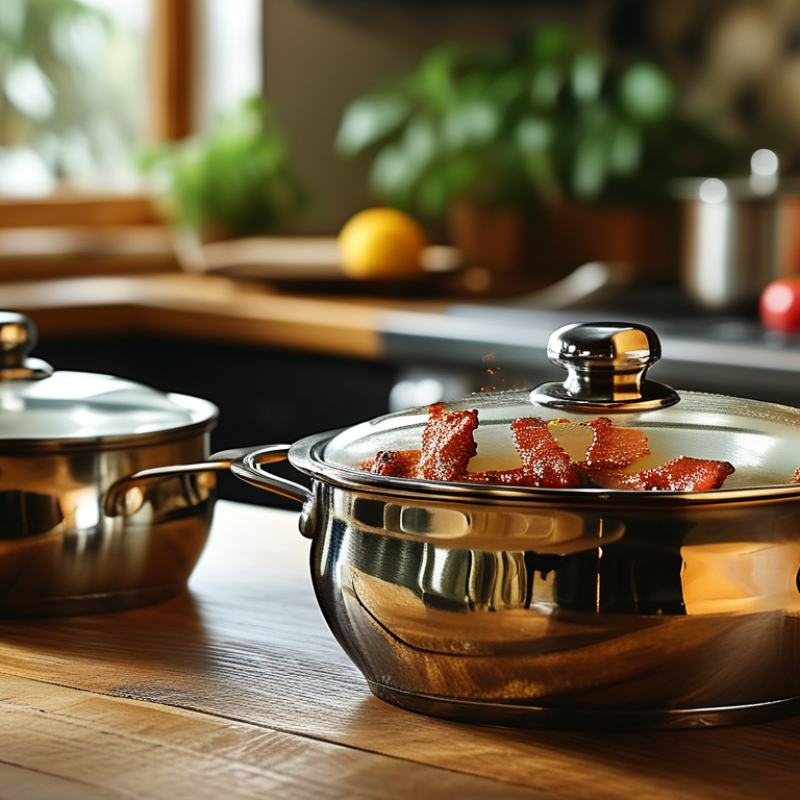
Can Stainless Steel Cookware Handle High Heat Cooking Effectively?

Understanding the Properties of Stainless Steel Cookware

Stainless steel cookware is a popular choice among chefs. Its durable construction makes it ideal for high-heat cooking methods. However, understanding its properties can lead to better culinary results. This material provides excellent heat distribution, allowing food to cook evenly. When preheated properly, it can handle high temperatures, which is essential for searing and browning.

One common concern is its reaction with acidic foods. Acidic ingredients can alter the flavor. This may lead to an overpowering taste in sauces and marinades. Despite this, many cooks appreciate the non-reactive qualities when preparing most dishes. Additionally, stainless steel does not chip or scratch easily, contributing to its long-term reliability in the kitchen.

Cooking with stainless steel requires some skill. It can be tricky to manage temperatures effectively. If overheated, food can stick, making cleanup more challenging. Many chefs recommend a balance of heat and fat for optimal cooking results. Learning the correct techniques takes time, but the versatility of stainless steel is worth the effort. The material’s aesthetic appeal and functionality make it a staple in many kitchens.

Heat Conductivity of Stainless Steel: Benefits and Limitations

Stainless steel cookware is known for its durability and sleek appearance. However, its heat conductivity often sparks debate among chefs. A study by the American Culinary Institute revealed that stainless steel heats unevenly compared to copper or aluminum. This means food can stick or cook inconsistently. The metal’s high melting point allows for high-heat cooking, but mastering temperature control is essential.

A major benefit of stainless steel is its resistance to warping under high heat. It can withstand temperatures up to 500°F and is safe for broiling. Yet, without a conductive core, stainless steel pans can struggle to achieve and maintain high temperatures evenly. This might lead to scorching on some food while others remain undercooked.

Cooking tips include preheating your stainless steel pan before adding oil or food. This can improve heat distribution and reduce sticking. Another helpful practice is using a little water to test if the pan is hot enough; water droplets should skate across the surface. Be aware, though, that overcooking can lead to a difficult clean-up. Balancing heat and cooking time is crucial for optimal results.

Comparing Stainless Steel with Other Cookware Materials

Stainless steel cookware is a popular choice among chefs and home cooks alike. It offers excellent durability and resistance to rust and staining. When it comes to high-heat cooking, stainless steel performs well. But how does it compare to other cookware materials like cast iron or non-stick?

Cast iron is known for its heat retention. It can withstand extremely high temperatures, making it ideal for searing meats. However, it requires seasoned maintenance and can be heavy to handle. Non-stick pans, on the other hand, are great for low-fat cooking. They heat quickly but may not tolerate high temperatures without damaging the coating.

Stainless steel occupies a middle ground. It heats evenly and can handle high temperatures, but food can stick without proper pre-heating or oiling. While it’s often praised for versatility, some cooks find it challenging for precise temperature control. Each material has strengths and weaknesses, and understanding these nuances can enhance your cooking experience.

Can Stainless Steel Cookware Handle High Heat Cooking Effectively? - Comparing Stainless Steel with Other Cookware Materials

Cookware Material Max Heat Resistance (°F) Heat Distribution Durability Maintenance
Stainless Steel 500 Even High Easy
Cast Iron 600 Even Very High Moderate
Non-Stick 400 Medium Low High
Copper 500 Excellent Moderate Moderate
Aluminum 450 Good Low High

Best Practices for High Heat Cooking with Stainless Steel

Cooking with stainless steel cookware at high heat can yield impressive results, but it requires some know-how. Stainless steel conducts heat well, making it ideal for searing meats and creating fond for sauces. According to the American Metal Manufacturers Association, stainless steel can withstand temperatures up to 1,600°F without warping. However, this level of heat can lead to food sticking if not managed properly.

To get the best out of stainless steel at high temperatures, preheat the pan effectively. Heating the pan for a few minutes allows it to reach optimal cooking temperature, ensuring food releases easily. It's essential to use enough oil or fat to create a barrier between the food and the pan. This not only enhances flavor but also aids in preventing sticking.

Taking care not to overcrowd the pan is crucial. Excess food lowers the temperature rapidly, resulting in uneven cooking. When cooking multiple portions, do it in batches to maintain a steady heat level. Time your cooking and pay attention to how the food behaves in the pan. A little practice and observation will help you master high-heat cooking with stainless steel.

Common Misconceptions About Stainless Steel Cookware and Heat Resistance

Stainless steel cookware is often praised for its durability. However, some myths question its heat resistance. Many believe that stainless steel cannot handle high heat cooking. This is simply not true. Quality stainless steel can withstand high temperatures without warping or degrading. It provides even heat distribution, crucial for searing and browning food.

People often worry about food sticking to stainless steel. Using the right technique can prevent this. Preheating the pan and adding oil before cooking are key steps. Experimenting with temperatures can help you master the cooking process. High heat can enhance flavors through caramelization and browning.

Tips for using stainless steel at high temperatures: Always ensure your cookware is clean and dry. This encourages better heat conduction. Consider using a splash of water to check if the pan is hot enough. If it sizzles, you're ready to cook. Remember to monitor cooking times closely. Overheating can lead to burning food. This balance is essential for achieving perfect results.

Can Stainless Steel Cookware Handle High Heat Cooking Effectively?

This bar chart illustrates the heat resistance of stainless steel cookware across various heat levels. As shown, the cookware can effectively handle high heat conditions, reaching up to 500°C without compromising its structural integrity.

FAQS

: What is stainless steel cookware known for?

: Stainless steel cookware is known for its durability and excellent heat distribution.

Can stainless steel cookware handle high temperatures?

Yes, stainless steel can withstand high temperatures, ideal for searing and browning.

Does stainless steel react with acidic foods?

Yes, it can alter flavors when cooking with acidic ingredients, affecting sauces and marinades.

Why is temperature control important when using stainless steel?

Poor temperature management can cause food to stick, making cleanup more difficult.

How should I prepare a stainless steel pan for cooking?

Preheat the pan properly and use enough oil to prevent sticking.

What can affect cooking results with stainless steel?

Overcrowding the pan can lower its temperature and lead to uneven cooking.

How does stainless steel compare to cast iron?

Unlike cast iron, stainless steel doesn't require seasoning but can have sticking issues.

Is stainless steel cookware easy to clean?

It's durable, but sticking can make cleaning more challenging if cooking techniques aren't followed.

What should I consider when cooking multiple portions?

Cook in batches to maintain heat and ensure even cooking throughout.

Is it worth learning to cook with stainless steel?

Yes, mastering stainless steel can enhance your culinary skills, despite its challenges.

Conclusion

Stainless steel cookware is a popular choice among home cooks and professional chefs alike, but a common question arises: can stainless steel cookware handle high heat cooking effectively? This type of cookware is known for its durability and resistance to rust and staining. However, its heat conductivity is a double-edged sword; while it heats up quickly, it can also lead to hot spots if not used correctly. Compared to other materials such as cast iron or non-stick, stainless steel has distinct advantages and limitations regarding heat distribution.

To maximize performance during high heat cooking, it's essential to preheat the pan and use sufficient oil to prevent sticking. Despite misconceptions about its heat tolerance, when used properly, stainless steel cookware can perform excellently under high temperatures, making it an excellent choice for various cooking techniques, including searing and sautéing. Understanding these aspects allows cooks to leverage the benefits of stainless steel while avoiding potential pitfalls associated with its use.

Liam

Liam

Liam is a dedicated marketing professional with a profound expertise in the industry, where he excels at highlighting the unique advantages of our core products. With a keen understanding of market trends and consumer needs, Liam frequently updates our company’s professional blog, providing......