How to Prevent Food Sticking to Stainless Steel Cookware Tips?

Time:2026-07-17 Author:Charlotte
0%

Stainless steel cookware is a popular choice among chefs and home cooks alike. However, one common challenge faced is food sticking to the surface. According to a study by the American Culinary Federation, up to 70% of culinary professionals report experiencing this issue. Understanding how to prevent food from sticking to stainless steel cookware is essential for optimal cooking results.

Chef John Doe, a leading expert in culinary techniques, emphasizes, "Proper heating and seasoning are key to a non-stick experience." His insights reflect the importance of technique in the kitchen for achieving desirable cooking outcomes. Experimentation is crucial, as not every method works for every individual.

Moreover, selecting the right cookware and maintaining it properly can significantly affect cooking performance. It’s important to acknowledge that even seasoned chefs occasionally struggle with sticking food. Embracing these challenges can pave the way for learning and mastering the art of cooking with stainless steel.
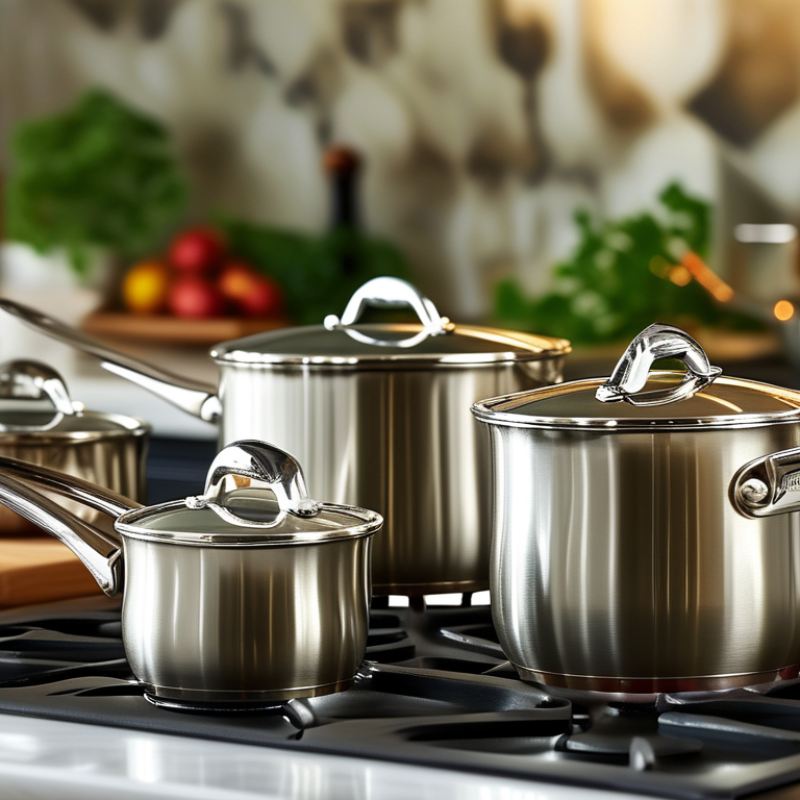
How to Prevent Food Sticking to Stainless Steel Cookware Tips?

Understanding the Properties of Stainless Steel Cookware

Stainless steel cookware has become a kitchen staple due to its durability and aesthetic appeal. Understanding the properties of stainless steel is crucial for optimal cooking experiences. Stainless steel is a poor conductor of heat on its own. Adding aluminum or copper layers enhances heat distribution, preventing hot spots. This is vital when cooking delicate foods.

Many home cooks struggle with food sticking to stainless steel surfaces. Studies show that the sticking issue often arises from improper heating. Preheating the pan correctly is essential. The ideal temperature for non-stick cooking lies between 325°F and 475°F, depending on the food type. When a pan is preheated adequately, proteins in food can create a temporary barrier, reducing sticking.

Cleaning stainless steel cookware is another factor that affects its performance. Any residue left behind can lead to food sticking during future uses. Using the right cleaning methods is critical. Abrasive cleaners might scratch the surface, creating tiny grooves that trap food particles. Adopting gentle cleaning techniques ensures longevity and effective cooking. Reflecting on these principles can significantly improve cooking outcomes.

How to Prevent Food Sticking to Stainless Steel Cookware Tips? - Understanding the Properties of Stainless Steel Cookware

Tip Description Benefits
Preheat the Cookware Heat the stainless steel pan for a few minutes before adding oil or food. Creates a natural non-stick surface as the metal expands.
Use the Right Amount of Oil Add enough oil to coat the bottom of the pan evenly. Prevents sticking and enhances food flavor.
Choose the Right Temperature Cook at medium heat and adjust as necessary. Ensures even cooking and reduces sticking.
Avoid Overcrowding Cook in smaller batches instead of crowding the pan. Allows food to sear properly and prevents moisture buildup.
Let Food Release Naturally Avoid forcing food to move; it will release when it's ready. Reduces damage to the food and cookware.

Choosing the Right Oil for Cooking with Stainless Steel

Choosing the right oil for cooking with stainless steel can make a significant difference. The type of oil you select can affect how well food releases from the surface. Oils with higher smoke points, like avocado or grapeseed oil, are ideal for high-heat cooking. They provide a non-stick effect when heated properly.

It’s also essential to consider the oil's flavor. Some oils, such as olive oil, impart a distinct taste that can enhance dishes. However, its lower smoke point can lead to undesirable results if overheated. Test various oils to find your preference.

Heating the pan before adding oil is another important step. This technique allows the oil to coat the surface more effectively. If the oil hisses when it meets the pan, it's a good sign that it’s ready. Experimentation is crucial here; not every oil behaves the same under heat. Sometimes, you might find that food still sticks despite your efforts. Reflect on the cooking temperature and oil capacity for improvement.

Preheating Your Cookware for Optimal Non-Stick Performance

To achieve optimal non-stick performance when cooking with stainless steel cookware, proper preheating is essential. Research indicates that preheating cookware enhances its heat retention and distribution. When stainless steel is heated, tiny pores in the surface expand, creating a more refined cooking surface. This allows food to release more easily, reducing the chances of sticking.

A study by culinary experts shows that the ideal preheating temperature is around 350°F (about 175°C) for stainless steel. However, professional chefs often recommend heating it slightly above this point for delicate foods. At the right temperature, most proteins will sear beautifully, forming a crust that naturally releases as it cooks. Not having enough heat, or waiting too long to add oil, can lead to sticking.

Practicing consistency in preheating is crucial. Some may notice food still clinging to the cookware after following guidelines. This inconsistency can arise from varying stovetop heat outputs or changes in the cookware's surface over time. Many home cooks underestimate the importance of patience during preheating as well. Waiting just a minute longer than usual can significantly improve cooking outcomes.

Using Proper Cooking Techniques to Prevent Sticking

Cooking with stainless steel can be a joy, but sticking food is a common issue. Proper cooking techniques can significantly reduce this problem. Start by preheating the pan. A hot surface creates a barrier between the food and the metal, helping to prevent sticking. It's best to use medium heat, adjusting as needed. Remember, pan temperatures can vary, so give it time to reach the right level.

Another crucial factor is using the right amount of oil. Just a thin layer can work wonders. When the oil shimmers, it's ready. Be patient; don’t add food too early. Also, avoid overcrowding the pan. When there’s too much food, steam can build up, leading to sticking. If you notice sticking, resist the urge to force it. Letting the food cook longer may allow it to release naturally from the surface.

Lastly, consider the type of food you're cooking. Proteins like chicken or fish benefit from not being moved too soon. They need time to form a crust. If you find your food still sticks, reflect on your technique. Cooking is a learning process. Each meal teaches us something new about our methods and timing.

Tips to Prevent Food Sticking to Stainless Steel Cookware

Cleaning and Maintenance Tips for Stainless Steel Cookware

Maintaining stainless steel cookware requires attention and care. One key practice is cleaning immediately after use. Food residues can harden and become more difficult to remove. Soaking pots and pans in warm soapy water can help. This is often the first step before scrubbing.

Use a non-abrasive cleaner for tougher stains. Baking soda mixed with water can serve as a gentle scrub. It is effective without scratching the surface. Always dry your cookware thoroughly to prevent water spots. They can detract from the shiny appearance of stainless steel.

Stainless steel can discolor with high heat. It is essential to monitor the cooking temperature closely. Using the right utensils, like wooden or silicone, will reduce scratches. This helps maintain the integrity of your cookware over time. While imperfections may appear, learning from these mistakes can enhance future cooking experiences.

FAQS

: How can I prevent food from sticking when using stainless steel cookware?

: Preheat the pan before cooking. A hot surface helps create a barrier.

Why is oil important when cooking with stainless steel?

A thin layer of oil can significantly reduce sticking. Wait for it to shimmer before adding food.

What happens if I overcrowd the pan?

Overcrowding creates steam, which leads to sticking. It's best to cook in smaller batches.

Should I force food that sticks to release?

No, resist the urge to force it. Let it cook longer; it may release naturally.

Why do proteins stick when cooked?

Proteins like chicken need time to form a crust. Restrict movement until ready.

How should I clean my stainless steel cookware?

Clean immediately after use. Soak in warm soapy water for tougher residues.

What should I use for tough stains?

A non-abrasive cleaner works well. Baking soda mixed with water can be effective.

How can I avoid water spots on my cookware?

Always dry your stainless steel cookware thoroughly after washing.

What can cause discoloration of stainless steel?

High heat can discolor stainless steel. Monitor the cooking temperature closely.

Are scratches a concern for stainless steel?

Yes, use wooden or silicone utensils to reduce scratches, preserving your cookware.

Conclusion

To effectively learn how to prevent food from sticking to stainless steel cookware, it is essential to first understand the properties of stainless steel. This type of cookware is known for its durability and resistance to corrosion, but it can be prone to food sticking if not used correctly. Choosing the right type of oil is crucial; opt for oils with higher smoke points to enhance non-stick performance.

Preheating the cookware adequately before adding food is another important step. This helps create a natural barrier that reduces sticking. Additionally, employing proper cooking techniques, such as allowing food to sear properly before flipping or stirring, can significantly minimize sticking issues. Finally, maintaining and cleaning your stainless steel cookware properly will ensure its longevity and improve its non-stick capabilities over time.

Charlotte

Charlotte

Charlotte is a seasoned marketing professional with a deep understanding of the company's portfolio and a passion for elevating its presence in the market. With a keen eye for detail and a commitment to excellence, she ensures that our professional blog is regularly updated with insightful articles......