In the realm of commercial kitchens, cookware selection is crucial. Stainless steel cookware stands out due to its durability and thermal efficiency. According to a survey by the National Restaurant Association, nearly 80% of chefs prefer stainless steel for its versatility and performance.
Why is stainless steel cookware popular in commercial kitchens? Primarily, it withstands high temperatures and resists warping. This quality is essential during busy service periods, where timing can dictate success. Additionally, stainless steel is non-reactive, ensuring food safety and preserving flavors. It’s also easy to clean, an important factor in maintaining sanitation standards.
While stainless steel presents numerous advantages, it isn't perfect. Some users find it less forgiving than non-stick options. It can lead to food sticking if not preheated properly. Acknowledging these challenges helps chefs improve their techniques. In the end, understanding both the strengths and weaknesses of stainless steel cookware will lead to better culinary outcomes in commercial kitchens.
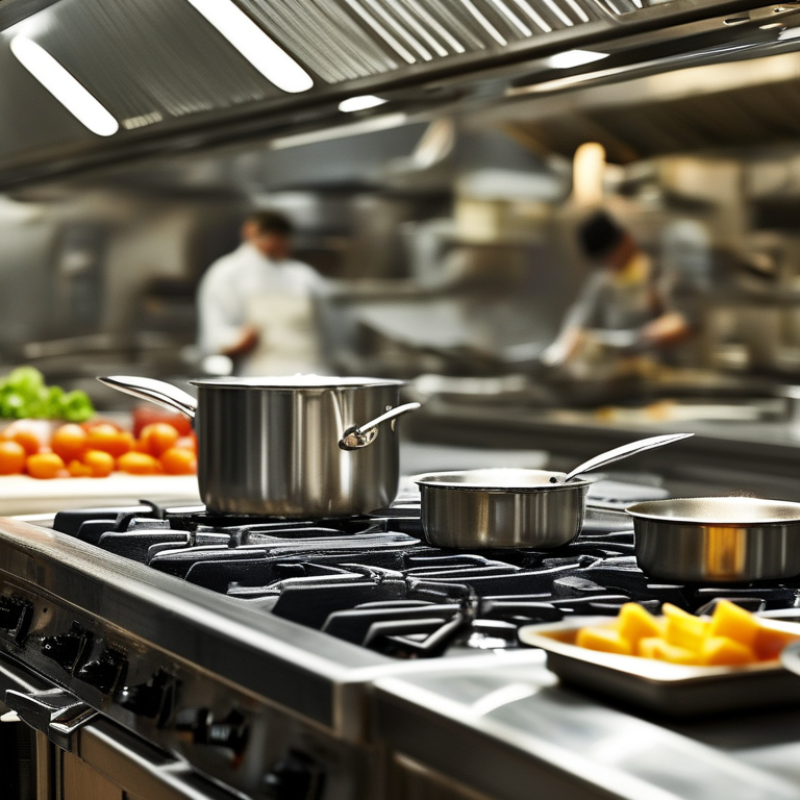
The Durability and Longevity of Stainless Steel Cookware
Stainless steel cookware is a staple in commercial kitchens for several reasons. Its durability stands out, especially under heavy use. While other materials may wear down, stainless steel maintains its integrity over time. This resilience makes it an ideal choice for busy chefs who rely on tools to withstand the rigors of daily cooking.
Additionally, stainless steel is resistant to rust and corrosion. It can endure extreme temperatures without warping. Many chefs find peace of mind knowing their cookware will last long. However, it's also true that improper care can lead to surface scratches. A well-maintained pan will shine brightly, while a neglected one may show signs of wear. Regular cleaning and proper storage are essential for longevity.
The longevity of stainless steel cookware also translates to cost-effectiveness. While the initial investment might be higher, the long-term savings are significant. It doesn't need frequent replacements. Yet, awareness of potential flaws is necessary. Some professionals might struggle with heat distribution if not cared for properly. Balancing these elements ensures that high-quality cookware remains a valuable asset in any kitchen.
Heat Retention and Distribution in Cooking Processes
Stainless steel cookware is vital in commercial kitchens. Its heat retention and distribution properties are unmatched. When using stainless steel, chefs benefit from even heat distribution. This feature ensures that food cooks uniformly, reducing the risk of hot or cold spots. According to data from the National Restaurant Association, commercial chefs favor stainless steel for its ability to withstand high temperatures without warping or losing performance.
Heat retention is another key advantage. Stainless steel retains heat effectively, allowing for consistent cooking results. This is especially important in fast-paced kitchen environments. Studies show that stainless steel cookware can maintain heat longer than many other materials. However, it is crucial for chefs to monitor cooking times closely. Overheating or prolonged cooking may lead to unwanted changes in food texture and flavor.
One aspect to consider is that not all stainless steel cookware conducts heat equally. Variations in metal composition can affect performance. Thin gauges may perform poorly in heat retention, leading to uneven cooking. This inconsistency can impact dish quality significantly. Chefs must choose their cookware wisely to maximize efficiency and maintain high culinary standards.
Ease of Cleaning and Maintenance in Commercial Settings
Stainless steel cookware is a favorite in commercial kitchens. It’s not only durable but also easy to clean and maintain. In fast-paced food environments, cleanliness is crucial. Stainless steel resists scratching and staining, allowing for thorough sanitization. This makes it ideal for busy restaurants where efficiency matters.
Cleaning stainless steel is straightforward. Warm soapy water often does the trick. For tougher residues, a gentle scrub works wonders. Remember to always dry the cookware immediately to prevent water spots. It’s essential to keep the surface shiny and hygienic.
Maintaining stainless steel can be an ongoing process. Over time, scratches may appear, and food may stick more easily. Regular polishing with a dedicated cleaner can help restore its sheen. Additionally, you can prevent sticking by preheating the cookware properly or using the right amount of oil. Being mindful of these details can significantly enhance the longevity of your cookware.
Why is Stainless Steel Cookware Essential in Commercial Kitchens? - Ease of Cleaning and Maintenance in Commercial Settings
| Aspect |
Benefits of Stainless Steel Cookware |
| Durability |
Highly resistant to scratches, dents, and corrosion. |
| Heat Conductivity |
Even heating ensures consistent cooking results. |
| Ease of Cleaning |
Non-porous surface does not retain food particles and is easy to clean. |
| Chemical Resistance |
Resists reactions with acidic foods and cleaning agents. |
| Aesthetic Appeal |
Bright, shiny finish enhances the kitchen's appearance. |
| Longevity |
Can last a lifetime with proper care, reducing replacement costs. |
Resistance to Corrosion, Stains, and Reactivity with Food
In commercial kitchens, stainless steel cookware is vital due to its exceptional resistance to corrosion and staining. According to the Food Service Equipment Report, 75% of culinary professionals prefer stainless steel because it maintains appearance and functionality over time. This material does not tarnish or corrode, making it ideal for high-demand environments where cleanliness is paramount.
Beyond aesthetics, stainless steel is non-reactive with food. This property prevents any metallic taste from leaching into dishes. A study from the Institute of Food Technologists indicates that reactive cookware can alter food flavor, which may compromise the culinary experience. As many chefs rely on precise flavor profiles, the inert quality of stainless steel is essential in preserving ingredient integrity.
However, there are concerns about scratching and gouging. Improper care can lead to surface damage, affecting both appearance and performance. Additionally, while stainless steel is highly durable, it is not completely immune to wear over time. Regular maintenance is crucial to ensure longevity and maintain its superior qualities. Chefs must balance between effective use and preservation of their equipment, emphasizing the importance of knowledge and proper handling.
Why is Stainless Steel Cookware Essential in Commercial Kitchens?
Stainless steel cookware is vital in commercial kitchens due to its outstanding properties. The bar chart above illustrates the importance level of stainless steel's resistance to corrosion, stain resistance, and reactivity with food, highlighting why it is a preferred material for professional cooking environments.
Cost-Effectiveness and Value in High-Volume Environments
In high-volume kitchens, cost-effectiveness is crucial. Stainless steel cookware is often the chef's choice. Its durability ensures it withstands the intense demands of busy kitchens. Over time, this material reduces the need for replacement, saving money. Investing in stainless steel means less frequent purchases due to its resistance to scratching and denting.
Maintenance is another advantage. Stainless steel is easy to clean and tends to resist stains. This feature is vital in a fast-paced environment where time is limited. Cooks can focus more on food preparation rather than lengthy cleaning sessions. However, some might struggle with its heat conductivity. While it heats evenly, some chefs might face challenges while trying to achieve perfect searing.
Stainless steel cookware provides excellent value. This material can handle a variety of cooking tasks, from frying to baking. Its versatility means having fewer pieces of cookware, which optimizes storage space. Still, chefs need to be mindful of how they manage tools. A few scratches can affect appearance, even if performance remains intact.
Conclusion
Stainless steel cookware plays a critical role in commercial kitchens, primarily due to its exceptional durability and long-lasting performance. It withstands the rigors of daily use, making it an ideal choice for high-volume cooking environments. Additionally, stainless steel excels in heat retention and distribution, ensuring that food is cooked evenly, which is essential in providing consistent quality in every dish.
Ease of cleaning and maintenance further contributes to its popularity, as it can be quickly sanitized and maintained to meet health regulations. Furthermore, stainless steel's resistance to corrosion, stains, and reactivity with food makes it a safe and versatile option for chefs. All these factors collectively answer the question of why is stainless steel cookware popular in commercial kitchens: it offers cost-effectiveness, great value, and reliability needed for efficient kitchen operations.

