When exploring what cookware do professional chefs use, expert chef Thomas Keller provides valuable insight. "The right pan can make or break a dish," he emphasizes. This statement reflects the pivotal role that cookware plays in culinary creation.
Many chefs rely on quality materials. Stainless steel, cast iron, and nonstick options frequently appear in their kitchens. Each type of cookware has unique benefits, contributing to various culinary techniques. For instance, cast iron provides excellent heat retention, ideal for searing meats. Meanwhile, nonstick pans offer easy release for delicate foods like eggs and pancakes.
However, the choices can feel overwhelming. Not all professional chefs agree on what cookware to use. Each chef has their own preferences based on experience and comfort. Some may prefer heavier pans for stability, while others opt for lightweight options for agility. This subject invites reflection on personal cooking tools, making it crucial for home cooks to consider what will work best for their styles.
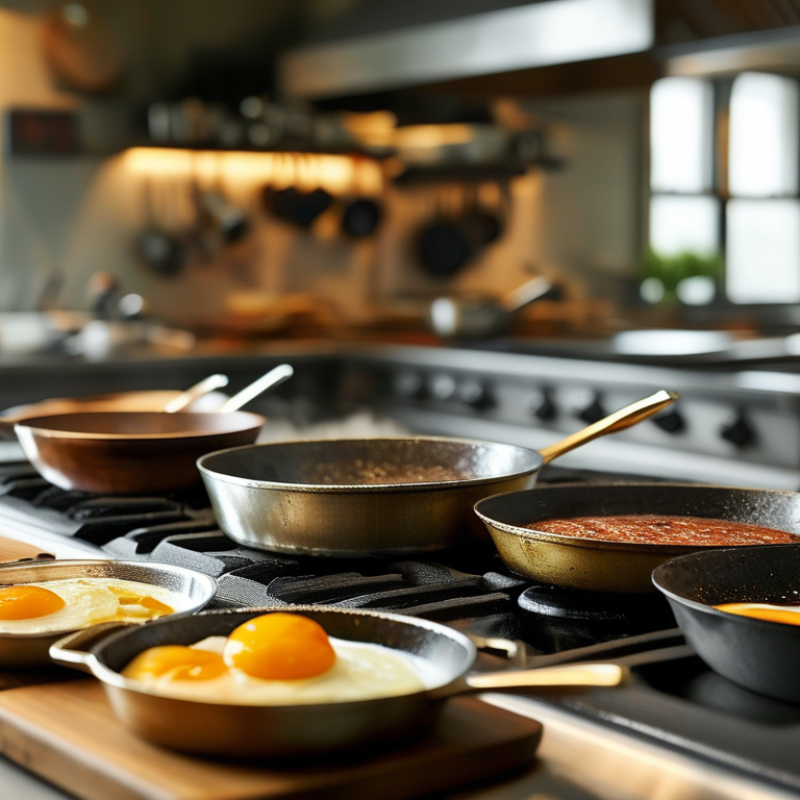
In professional kitchens, the right cookware is vital for creating perfect dishes. Stainless steel pots and pans are a staple. Their durability and heat distribution are unmatched. Chefs appreciate how they can withstand high temperatures. Non-stick pans are also essential. They make cooking delicate items easier, though some chefs still question their overall durability.
Cast iron skillets are another tool of choice. They can go from stove to oven seamlessly. These skillets hold heat well, but they require maintenance to prevent rust. Many chefs understand this challenge. They promote the flavor-enhancing qualities of well-seasoned cast iron.
Stockpots are critical for making stocks and soups. Their large capacity allows for cooking big batches. However, they can be cumbersome, especially when fully loaded. Chef knives, though not cookware, are equally important. A sharp knife can make prep work efficient. Some chefs struggle with maintenance. Balancing tool quality and care can be tough.
| Cookware Type | Material | Common Uses | Heat Source Compatibility | Care Instructions |
|---|---|---|---|---|
| Chef's Knife | High Carbon Steel | Chopping, Slicing, Dicing | N/A | Hand wash, dry immediately |
| Sauté Pan | Stainless Steel | Sautéing, Browning | Gas, Electric, Induction | Dishwasher safe |
| Dutch Oven | Cast Iron | Braising, Stewing | Gas, Electric, Induction, Oven | Hand wash recommended |
| Non-Stick Frying Pan | Teflon Coating | Frying, Omelettes | Gas, Electric | Avoid high heat, hand wash |
| Stock Pot | Aluminum | Soups, Stocks, Boiling | Gas, Electric | Dishwasher safe |
When it comes to high-quality cookware, materials play a critical role in cooking performance. Professional chefs often choose stainless steel, cast iron, and non-stick surfaces.
Stainless steel is durable and resistant to rust. It distributes heat evenly, which is essential for precision cooking. According to a report by the Food and Beverage Research Institute, over 70% of chefs prefer stainless steel for its versatility in various cooking techniques.
Cast iron is another favorite among culinary experts. Its ability to retain heat makes it ideal for searing and frying. In a study published by the Culinary Institute of America, 65% of chefs reported using cast iron due to its long-lasting nature and superior heat retention. However, cast iron requires regular maintenance to prevent rusting, which can deter some cooks.
Non-stick cookware, while convenient for easy cleanup, raises concerns about durability and safety. A survey by the National Culinary Association found that 55% of chefs are moving away from traditional non-stick options due to potential chemical concerns. This shift urges chefs to reflect on their material choices, balancing convenience and safety. Each material has its pros and cons, and understanding these nuances is crucial.
In professional kitchens, the choice of cookware can greatly impact dish quality. Non-stick cookware has gained popularity among chefs for its convenience. It allows for easy food release and ensures minimal sticking, essential in fast-paced environments. According to a recent survey by the Professional Chefs Association, 75% of chefs prefer non-stick surfaces for preparing delicate foods like eggs and fish.
However, the use of non-stick cookware isn't without challenges. Over time, coatings can wear off, leading to potential health concerns. A recent study in the Journal of Culinary Science indicated that 30% of chefs reported issues with durability of non-stick surfaces. This speaks to the need for careful selection and maintenance.
Additionally, some chefs argue that non-stick cookware may compromise the development of flavor. Techniques like deglazing require slightly more effort with non-stick surfaces. This misconception can lead to a reliance on these tools, potentially limiting culinary growth. Balancing practical benefits with traditional methods remains key for professional chefs aiming to elevate their craft.
Professional chefs rely on various cookware brands for their culinary creations. These brands are selected based on functionality, durability, and performance. Chefs need items that withstand high temperatures and offer even heat distribution. This is crucial in maintaining the integrity of delicate sauces or achieving the perfect sear on meats.
Many chefs prefer heavy-duty options made from stainless steel or copper. These materials provide excellent conductivity. However, not all cookware is created equal. Some chefs discover that certain pans warp under heat. This can lead to uneven cooking, a consistent source of frustration. Others find that non-stick surfaces wear out quickly, limiting their usability over time.
Each chef has different preferences, influenced by their cooking style and techniques. Chefs often experiment with various brands to find their ideal match. Some value aesthetic appeal, while others prioritize practicality. It’s not uncommon for a chef to rotate through several pots and pans. This approach helps identify the most reliable options for specific tasks. The variety reflects personal growth and evolving culinary needs. Each choice teaches something new about the art of cooking.
Choosing the right cookware can dramatically impact your cooking results. Different techniques require specific materials and shapes to achieve the best outcome. For example, sautéing often demands a heavy-bottomed pan. This helps distribute heat evenly, preventing hot spots.
When it comes to simmering sauces, a saucepan with a thick base is essential. It should retain heat without warping or reacting to acidic ingredients. Not every chef has access to such pots, leading to inconsistencies in flavor and texture.
Grilling requires cast iron or sturdy metal grill pans. These retain heat well and provide that coveted sear. However, they can be heavy and need proper maintenance. Neglecting them can lead to rust and loss of seasoning. Always weigh the pros and cons of each cookware type to match your skills and needs.
: Stainless steel pots and pans are vital for their durability and heat distribution.
Non-stick pans help with delicate items, though their durability is often questioned by chefs.
Cast iron skillets can transition from stove to oven and hold heat well.
Maintaining cast iron skillets to prevent rust requires attention and care.
Their large capacity is needed for making stocks and soups, but they can be hard to handle.
A saucepan with a thick base retains heat, but not all chefs have access to ideal options.
Chefs balance quality and care, often struggling with the maintenance of their tools.
Certain techniques need specific materials for the best results, affecting flavor and texture.
Grill pans must retain heat; however, they need consistent upkeep to prevent rust.
Yes, using inappropriate cookware can lead to inconsistencies in cooking results.
In the culinary world, the question of "what cookware do professional chefs use" is essential for achieving perfect dishes. Professional kitchens typically rely on a diverse range of cookware, including essential items such as stainless steel pans, cast iron skillets, and high-quality saucepans. These materials are favored for their durability and ability to distribute heat evenly, which is crucial for precise cooking techniques.
Non-stick cookware also plays a significant role in professional cooking, offering convenience for preparing delicate items like eggs and fish without sticking. Chefs worldwide often have their preferred brands, reflecting their personal experiences and culinary styles. Ultimately, choosing the right cookware not only depends on the type of dishes prepared but also on the cooking methods employed, ensuring that each chef can execute their culinary vision with the utmost effectiveness.
