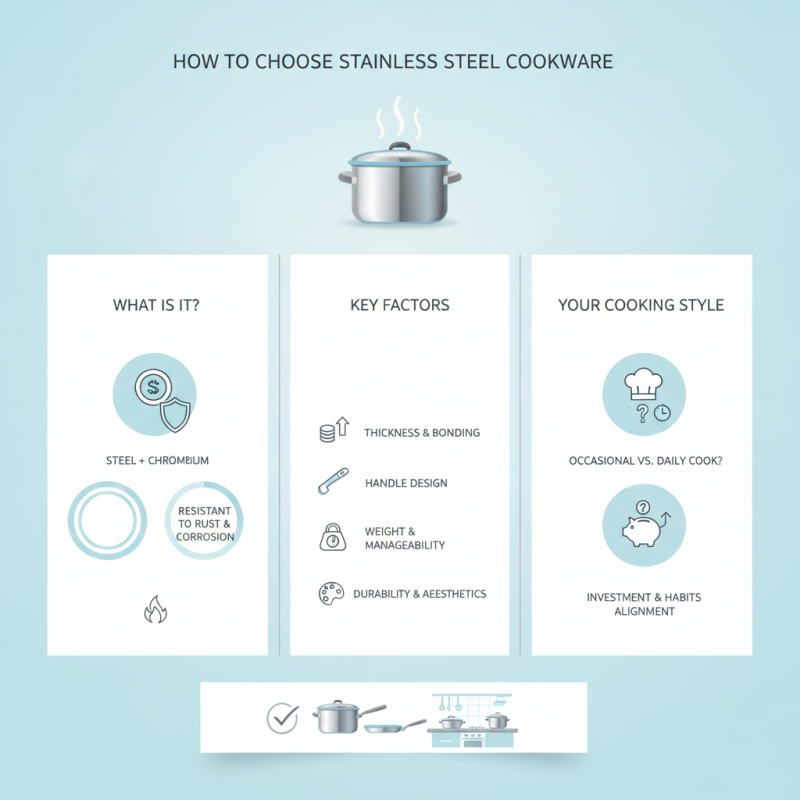
Choosing the right cookware is essential for any kitchen. Among various materials, stainless steel cookware stands out for its durability and versatility. But what is stainless steel cookware? It is a popular choice made from a blend of steel and chromium. This combination offers resistance to rust and corrosion, making it ideal for everyday cooking.
When selecting stainless steel cookware, consider factors like thickness, bonding, and handle design. Higher-quality pieces often have thicker bases, which promote even heating. Additionally, bonded cookware can enhance heat distribution. Durability should be paired with aesthetics; a well-designed pot or pan can elevate your kitchen experience.
Some may overlook the importance of weight. Heavier cookware often indicates better quality, but it must remain manageable. Always reflect on your cooking style. Are you an occasional chef, or do you cook daily? Knowing your needs will guide you in making the best choice. Stainless steel cookware can be a worthy investment, but only if it aligns with your culinary habits.
When selecting stainless steel cookware, understanding the types available is crucial. Stainless steel pots and pans vary in design and function, catering to different cooking techniques. For instance, tri-ply stainless steel combines three metal layers: stainless steel for durability, aluminum for heat distribution, and another stainless steel layer. This combination ensures even cooking, a key aspect noted in reports by the American Society for Testing and Materials, which emphasize effective heat conduction.
Another type includes the clad stainless steel, which integrates multiple metals to enhance performance. Research indicates that clad cookware provides exceptional temperature control and durability. A study by the Food Service Technology Center observed that clad stainless steel maintained temperature better than single-layer options, making it essential for professional chefs.
The choice also impacts cooking results. For instance, a heavy-bottom saucepan retains heat well, allowing for simmering sauces or boiling pasta efficiently. However, it's worth noting that stainless steel can react with acidic foods. This might lead to a metallic taste, a concern highlighted in culinary reviews. Considering these factors helps in choosing the right type for your kitchen needs. Ultimately, selecting stainless steel cookware is about balancing your cooking style with the materials that offer the best performance.
| Cookware Type | Best Use | Durability | Heat Conductivity | Maintenance |
|---|---|---|---|---|
| Stainless Steel Skillet | Searing, sautéing | High | Moderate | Easy to clean |
| Stainless Steel Pot | Boiling, steaming | High | Moderate | Dishwasher safe |
| Stainless Steel Stockpot | Making stocks, soups | High | Good | Requires hand washing |
| Stainless Steel Saucepan | Making sauces, reheating | High | Good | Easy to maintain |
| Stainless Steel Dutch Oven | Braising, baking | Very High | Good | Hand wash recommended |
: Cookware should be at least 3mm thick for optimal heat distribution and durability.
Tri-ply designs improve heat retention by about 30%, surpassing single-layer options.
Lightweight cookware may lack the durability needed for long-term use and can indicate poor quality.
Polished finishes are visually appealing but show fingerprints and require more frequent cleaning.
Yes, matte finishes resist fingerprints but may show scratches more easily than polished finishes.
A gentle scrubber and a mixture of vinegar and baking soda can effectively remove tough stains.
Always dry the cookware immediately after washing to prevent water spots from forming.
Using low to medium heat helps avoid warping and maintains the integrity of the material.
Stacking pans without protection can cause scratches, leading to diminished quality over time.
Cookware that is properly maintained can last well over a decade, making it a long-term investment.
When considering what is stainless steel cookware, it's important to understand its various types and their specific uses in the kitchen. Stainless steel cookware is known for its durability, resistance to rust and staining, and its ability to distribute heat evenly. Evaluating the thickness and construction of these cooking vessels is crucial, as higher quality options often enhance both durability and heat distribution.
In addition to understanding the basic characteristics of stainless steel cookware, one must also choose the right finish—polished or matte—to fit both aesthetic preferences and cooking needs. Furthermore, compatibility with different heat sources, such as stovetops, ovens, and induction cookers, is essential for optimal performance. To ensure longevity, it is also vital to assess maintenance and care requirements, which can help keep your stainless steel cookware looking and performing at its best for years to come.

