When establishing a successful restaurant, choosing the right cookware is crucial. A common question arises: how to choose stainless steel cookware for a restaurant? Stainless steel provides durability, versatility, and an aesthetic appeal that many chefs desire. Yet, the choices can be overwhelming.
Different stainless steel grades exist, each offering unique benefits. For example, 304-grade steel is high quality but can be costly. Reflect on your budget and cooking style. Do you require heavy-duty pots for sauces or lightweight pans for frying? Each option affects food quality and cooking efficiency.
Consider the long-term investment as well. Quality stainless steel can last for years with proper care. However, not all brands are created equal. Research and compare products to ensure reliability. While aesthetics matter, functionality should remain a priority. Your choices impact your kitchen's workflow and your dishes' final presentation. Balancing cost, quality, and functionality is key in this decision-making process. Focus on what aligns with your culinary vision.
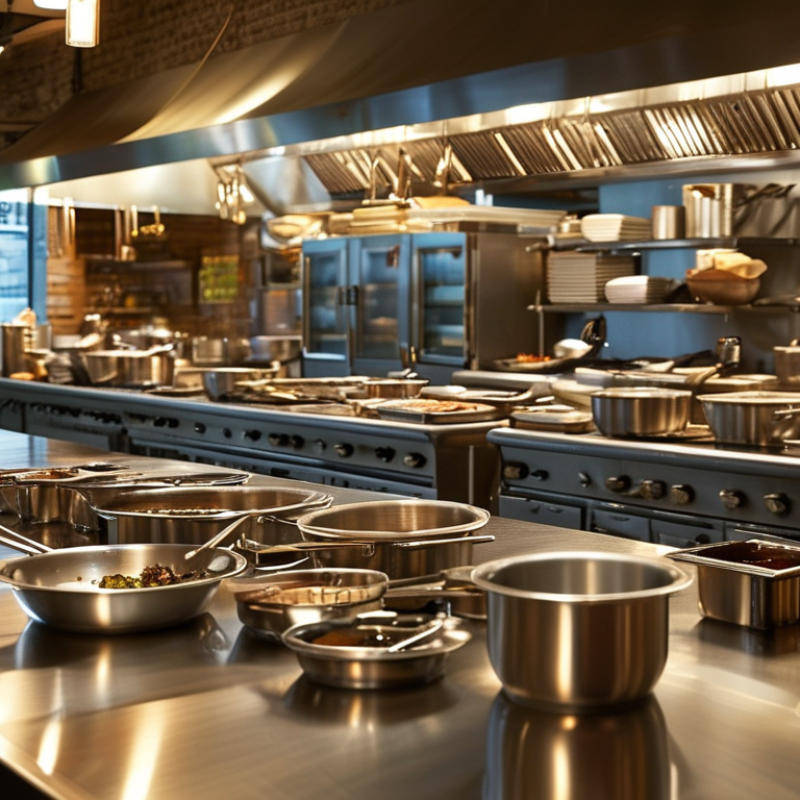
Understanding the Types of Stainless Steel Cookware Available
When choosing stainless steel cookware for a restaurant, it’s essential to understand the various types available. There are several grades of stainless steel, with 18/10 being the most commonly used in professional kitchens. This type contains 18% chromium and 10% nickel, offering excellent durability and resistance to rust.
Different cookware pieces serve distinct purposes. For example, sauté pans with straight sides provide more surface area for cooking. Meanwhile, stock pots are essential for making large volumes of soups and stocks. According to industry reports, using high-quality stainless steel can increase the longevity of cookware by about 30%, which is crucial for restaurant profitability.
Cookware construction is vital too. Tri-ply stainless steel, which sandwiches an aluminum core between layers of steel, provides even heat distribution. However, many chefs overlook the importance of maintaining this cookware. Regular cleaning and proper usage are necessary to avoid discoloration and preserve performance. Opting for commercial-grade options can also lead to better usability in a high-demand kitchen environment.
Evaluating the Quality and Durability of Stainless Steel Materials
When selecting stainless steel cookware for your restaurant, evaluating the quality and durability of the materials is essential. Stainless steel comes in various grades, and understanding these can affect your cooking performance. Look for cookware labeled with at least 18/10 stainless steel. This grade offers excellent resistance to rust and corrosion. It also provides a better finish, ensuring the cookware lasts longer under heavy use.
Durability doesn’t just come from the steel grade. The construction of the cookware matters too. Try to choose pieces with a thick base. A good thickness ensures even heat distribution and reduces the risk of warping. However, keep in mind that some heavy-duty options may feel cumbersome. Balance is needed, as you want durability without sacrificing ease of use.
Assessing the design is another key factor. Handles should be solidly attached and comfortable. They should be heat resistant to prevent burns. However, not all designs will suit your cooking methods. Some may require frequent adjustments. Remember, no cookware is perfect. You may find some areas need improvement or adjustment. Balance your choices based on how they will withstand the day-to-day demands of your kitchen.
Identifying Key Features for Restaurant Cookware Efficiency
When choosing stainless steel cookware for your restaurant, consider essential features that enhance efficiency. Look for multi-layer construction. This design ensures even heat distribution. It minimizes hot spots, which can lead to uneven cooking. Heavy-duty materials are also crucial. They withstand daily wear and tear in a busy kitchen. This durability extends the lifespan of the cookware and retains its appearance.
Handle design is often overlooked but is vital for safety and comfort. Ergonomic handles provide a secure grip, reducing the risk of accidents. They should also stay cool, even when the cookware is hot. Additionally, consider the cookware's compatibility with different heat sources. Whether you use gas, induction, or electric stoves, the cookware must perform consistently.
Weight matters too. Heavier pots and pans can provide stability and help with heat retention. However, if they are too heavy, it may become cumbersome for staff. Finding the right balance is crucial. Lastly, ensure you select cookware that fits your kitchen's workflow. Efficient equipment can boost productivity and improve service. Reflecting on these elements will help you make informed choices for your restaurant's success.
Stainless Steel Cookware Efficiency in Restaurants
Comparing Cost and Value of Different Stainless Steel Options
When selecting stainless steel cookware for a restaurant, cost and value are key factors. Various grades of stainless steel provide different benefits. Higher grades may cost more upfront but can withstand heavy use. They resist warping and corrosion, making them last longer in a busy kitchen.
Investing in quality cookware often means lower replacement costs over time. Cheaper options might be tempting, but they may not handle high heat as well. This could lead to uneven cooking and potential dish failures. Evaluating long-term value against initial cost can help you make a smarter purchase.
Another point to consider is the thickness of the stainless steel. Thicker materials distribute heat more evenly, improving cooking efficiency. However, remember that the weight can also contribute to your overall expenses. You may face challenges balancing durability and budget. It's crucial to weigh these factors carefully before making a decision.
Assessing Maintenance and Care Requirements for Longevity
When selecting stainless steel cookware for a restaurant, maintenance is a crucial factor. Stainless steel offers durability and resistance to rust and corrosion. However, it demands specific care to ensure longevity. Industry reports indicate that proper maintenance can extend the lifespan of cookware by up to 50%. Regular cleaning keeps cookware in good condition, preventing the buildup of food residues and stains.
Cleaning stainless steel is often more involved than other materials. Using a gentle scrub pad and non-abrasive detergents is advisable. Harsh chemicals may damage the surface. Interestingly, studies show that 30% of chefs overlook the importance of routine maintenance, leading to premature wear. Keeping cookware polished not only enhances its appearance but also improves its heat conductivity.
Temperature and storage also affect the longevity of stainless steel. For example, sudden temperature changes can warp cookware. As a best practice, let pans cool before washing. In addition, avoid stacking heavy pans, which may cause dents. Despite these challenges, the payoff is significant; well-maintained cookware can deliver consistent cooking results that positively impact a restaurant’s menu quality.
FAQS
: Look for cookware labeled 18/10 stainless steel. It resists rust and corrosion well.
Thick bases ensure even heat distribution, reducing warping risks. But they can feel heavy.
Handles should be well-attached and comfortable. They should resist heat to prevent burns.
No cookware is perfect. You may need to adjust or improve some aspects for your needs.
Higher grade stainless steel may cost more but lasts longer, lowering replacement costs over time.
Yes, cheaper options might not handle high heat well, causing uneven cooking and dish failures.
Thicker materials improve heat distribution but can increase weight and overall costs.
Weigh durability against cost. It’s vital to consider long-term value when making your choice.
Conclusion
When considering how to choose stainless steel cookware for a restaurant, it's essential to understand the various types available, including their unique benefits and applications. Evaluating the quality and durability of stainless steel materials is crucial, as high-grade options will ensure longevity and withstand the demands of a busy kitchen. Additionally, identifying key features such as heat conductivity, non-reactiveness with food, and ergonomic design can significantly enhance cooking efficiency.
Cost and value comparison of different stainless steel cookware options is also necessary, as investing in quality pieces can lead to better long-term savings. Lastly, assessing maintenance and care requirements ensures that the cookware remains in top condition, thereby optimizing performance and extending its lifespan. By following these guidelines, restaurant owners can make informed decisions that meet their culinary needs while maintaining budget efficiency.

