When entering the world of cooking, the right cookware is essential. Many choose stainless steel for its durability and style. However, questions arise: what should I look for when buying stainless steel cookware?
Consider the construction of the pots and pans. Look for tri-ply or multi-ply options that enhance heat distribution. Check the weight; heavier pieces often indicate quality. Additionally, ensure that handles are sturdy and ergonomically designed for ease of use.
Don't forget to verify compatibility with your cooktop. Is it induction-ready? Investigate the maintenance, too. Some stainless steel cookware requires specific care to maintain its shine. As you ponder these aspects, remember that the perfect choice depends on your cooking habits and preferences. Making an informed decision will elevate your culinary experience, turning everyday meals into extraordinary feasts.
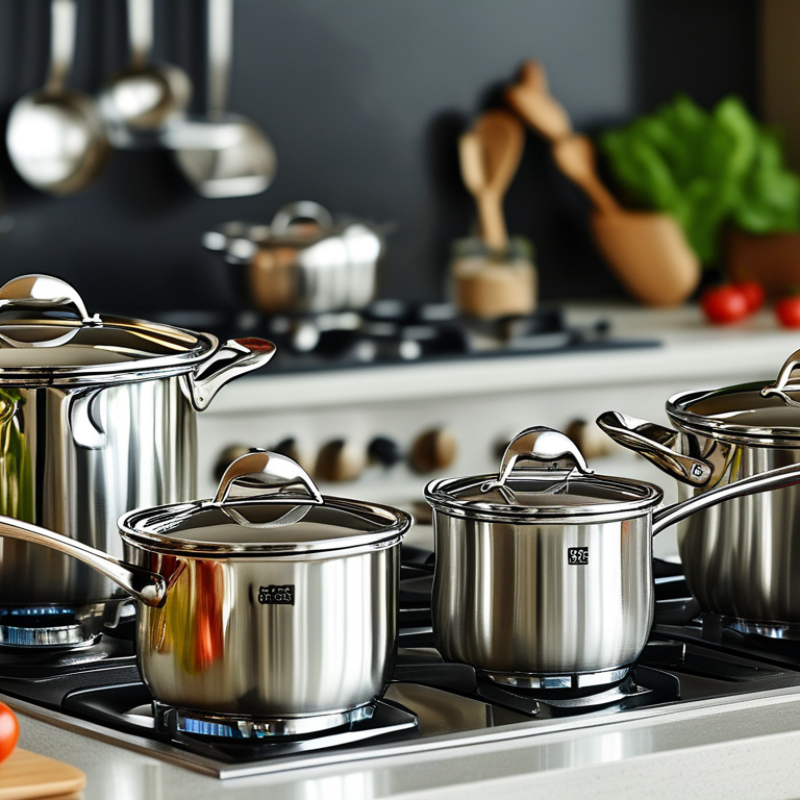
When selecting stainless steel cookware, understanding material quality is crucial. Look for cookware with an 18/10 stainless steel composition, which contains 18% chromium and 10% nickel. This blend ensures durability and resistance to rust and corrosion. Reports by the American Society for Testing and Materials indicate that higher nickel content enhances the cookware's luster and stability over time. In contrast, lower-quality steel can lead to warping and unsightly discoloration.
Another important factor is the cookware's base construction. Multi-layered bases distribute heat evenly, eliminating hot spots. This is particularly significant for materials like aluminum or copper sandwiched between stainless steel layers. Research by the Culinary Institute of America suggests that even heat distribution can enhance cooking performance. However, finding exactly the right balance of layers requires careful consideration, as too many or too few can alter cooking effectiveness.
Pay attention to the cooking surface as well. A polished surface can offer a non-reactive zone that won’t impart flavors. However, some users may notice stickiness over time. Regular maintenance can mitigate these issues, but not all users are equipped for the ongoing commitment. Always evaluate the warranty offered; this often reflects a manufacturer’s confidence in their product.
When purchasing stainless steel cookware, understanding the various grades is crucial. Stainless steel is often classified into different grades based on its composition and properties. The most common grades are 304 and 316. Grade 304, also known as "18/8" stainless steel, consists of 18% chromium and 8% nickel. This grade is known for its excellent corrosion resistance and versatility. According to a report by the American Metal Market, cookware made from 304 stainless steel has a high resistance to rust and stains, making it a popular choice among both home cooks and professionals.
On the other hand, grade 316 stainless steel contains 16% chromium, 10% nickel, and 2% molybdenum. This additional molybdenum enhances its resistance to pitting corrosion, especially in salty or acidic environments. A study published in the Journal of Food Science highlighted that cookware made from 316 stainless steel performs better under high heat or aggressive cooking conditions. However, it is generally more expensive than 304 grade.
While considering these grades, buyers should also reflect on their cooking habits. Some might prefer a cheaper option like grade 304, while others may require the superior performance of grade 316. Thinking through these details can lead to better kitchen choices. Different cooking styles necessitate different materials, so contemplate your cooking needs carefully.
| Grade | Corrosion Resistance | Heat Conductivity | Durability | Best Uses |
|---|---|---|---|---|
| 304 | High | Good | Very Durable | General Cooking |
| 316 | Very High | Good | Extremely Durable | Marine & Chemical Use |
| 430 | Moderate | Low | Moderately Durable | Budget Cookware |
| 201 | Moderate | Good | Fairly Durable | Home Cooking |
When assessing stainless steel cookware, heat conductivity and distribution are crucial factors. High-quality stainless steel often incorporates aluminum or copper layers to enhance heat distribution. A report by the National Kitchen and Bath Association indicates that cookware with multi-layer construction can improve cooking efficiency by up to 30%. This means food cooks more evenly and reduces the chances of hot spots that can burn your dishes.
It is essential to evaluate how quickly the cookware responds to heat adjustments. Poorly constructed stainless steel cookware may fail to retain heat effectively, leading to inconsistent cooking results. A study from the American Society of Testing and Materials highlights that some lower-quality options can take longer to heat up and cool down. This could affect the final quality of your meals, especially for delicate sauces or precise searing.
Consider using cookware with a thicker base and multiple layers for better heat distribution. Look for reviews and specifications that mention heat retention. Not all stainless steel products are the same; the craftsmanship varies widely. It’s wise to invest time in researching before making a purchase. Aim to choose options with proven track records. Quality cookware can elevate your cooking experience substantially.
When considering stainless steel cookware, durability and resistance to staining play crucial roles. High-quality stainless steel often contains chromium and nickel. These elements enhance durability and help prevent rusting and corrosion. Over time, cheaper alternatives may show wear and tear. They can lose their shine and develop stains, affecting both appearance and performance.
Maintaining stainless steel cookware is essential. Regular cleaning can prevent the buildup of stains. However, some stubborn marks may require more effort to remove. While stainless steel is generally resistant to staining, factors like cooking acids can sometimes lead to discoloration. Users should practice care and consider the types of foods they cook.
Not all stainless steel is created equal. Some pans may not be truly stainless, leading to disappointment. When purchasing, look for quality certifications. Check thickness, which contributes to both durability and even heat distribution. Take time to evaluate your cooking habits and choose cookware that suits them best. This careful consideration can lead to a more satisfying cooking experience.
When selecting stainless steel cookware, handle design and comfort should not be overlooked. Handles made of stainless steel can become very hot while cooking. This makes it challenging to maneuver pots and pans safely. An ergonomic design can significantly enhance your cooking experience. Look for handles that offer a comfortable grip and are angled to provide better control.
Checking the quality of the handle is crucial. Some handles are welded, which may create weak points. Others are riveted, offering sturdier support. Test the handle by lifting the cookware. It should feel balanced and secure. A wobbly handle can lead to spills and accidents, detracting from your cooking experience.
Pay attention to the insulation of the handles. Some cookware features heat-resistant materials to prevent burns. However, not all manufacturers prioritize this detail. Always consider your cooking habits. If you're often searing or frying, choose cookware with advanced heat protection. This can elevate safety standards in your kitchen. Being mindful of these aspects can improve comfort and confidence in your cooking.
: The most common grades are 304 and 316. Each has unique properties.
Grade 304 contains 18% chromium and 8% nickel. It is versatile and corrosion-resistant.
Grade 316 has 10% nickel and includes molybdenum, enhancing resistance in acidic environments.
Yes, grade 316 is generally pricier than grade 304 due to its advanced properties.
High durability prevents rust and enhances longevity, especially with frequent usage.
Regular cleaning can help avoid stains. Be cautious with acidic foods as they can cause discoloration.
Look for quality certifications, thickness for durability, and even heat distribution.
No, some may not be truly stainless, potentially leading to dissatisfaction over time.
Different cooking styles require different materials. Assess your needs carefully.
Yes, higher heat can affect performance. Some grades handle it better than others.
When considering what should I look for when buying stainless steel cookware, it's essential to evaluate several key factors that influence the overall quality and performance. Firstly, the material quality plays a significant role; different grades of stainless steel offer varying levels of durability, resistance to staining, and heat conductivity. Understanding these grades can help you choose cookware that will stand the test of time.
Additionally, it's crucial to assess the cookware's heat conductivity and distribution to ensure even cooking. Durability is also a vital aspect, as high-quality stainless steel should resist scratches and stains over time. Lastly, don't overlook the handle design and comfort, as a well-designed handle enhances safety and ease of use during cooking. By carefully considering these factors, you can make an informed decision that meets your cooking needs.
