Cleaning stainless steel cookware properly can often feel challenging. Yet, with the right techniques, it is entirely manageable. According to a 2021 report by the Home Cooking Institute, 75% of consumers struggle with maintaining the shine of their pots and pans. These numbers emphasize the necessity for effective cleaning methods.
Expert Mark Davis, a cookware specialist, states, "The key to keeping your stainless steel looking new is understanding the right cleaning process." This highlights the importance of learning how to clean stainless steel cookware properly. Many people overlook simple steps that can make a significant difference. Using the wrong cleaner or scrubbing too hard can lead to scratches and dullness.
However, even seasoned cooks sometimes miss the mark. The challenge lies in adapting to the unique requirements of stainless steel. Practical tips and techniques can transform your cleaning routine and restore the elegance of your cookware. Embracing these insights can lead to a rewarding cooking experience while effectively maintaining your kitchen investment.
Understanding the Unique Properties of Stainless Steel Cookware
Stainless steel cookware is popular for its durability and versatility. Understanding its unique properties is essential for effective cleaning. Stainless steel is non-porous, which means it doesn’t absorb flavors or odors. This characteristic helps maintain food integrity, but it can also lead to stubborn stains and discoloration from high heat or acidic foods.
To clean stainless steel cookware, start with mild soap and warm water. A soft sponge works well to avoid scratches. However, tougher stains may require baking soda and water paste for scrubbing. This method can restore the shine without damaging the surface. Be cautious with abrasive cleaners; they can leave permanent marks.
Even high-quality stainless steel cookware can show wear over time. Before cleaning, assess for any discoloration or burnt residues. Each piece has its quirks, leading to different cleaning challenges. Embrace these imperfections, and use them as opportunities to improve your cleaning technique.
2026 Best Tips for Cleaning Stainless Steel Cookware Properly
| Tip Number |
Cleaning Method |
Recommended Frequency |
Special Considerations |
| 1 |
Warm Soapy Water |
After each use |
Use a soft sponge to avoid scratches |
| 2 |
Baking Soda Paste |
Weekly |
Great for tough stains |
| 3 |
Vinegar Solution |
Monthly |
Helps to remove discoloration |
| 4 |
Dishwasher |
When needed |
Check for dishwasher-safe labels |
| 5 |
Commercial Stainless Steel Cleaner |
As needed |
Follow manufacturer instructions |
Common Stains and Buildup on Stainless Steel: Causes and Solutions
Stainless steel cookware is known for its durability and aesthetic appeal. However, common stains and buildup can mar its shine. Often, these issues arise from food residue, hard water, and overheating. According to the American Cleaning Institute, nearly 70% of cookware owners experience staining at some point. Understanding these factors is crucial for effective cleaning.
Food residue can lead to both discoloration and a sticky surface. When food cooks at high temperatures, it can bond to the pan. This creates a challenge for cleaning. Hard water causes mineral deposits that form unsightly stains. Experts recommend using a vinegar solution to dissolve these deposits. However, not all stains can be removed easily. Some may require more persistent scrubbing or specific cleaning agents.
Additionally, overheating stainless steel can cause irreparable damage. The surface might warp or lose its finish. Over time, this can diminish the cookware's effectiveness. A study by the National Kitchen & Bath Association noted that proper care can extend cookware life by up to 50%. It’s important to assess your cleaning methods. Rethinking how you treat your stainless steel can enhance its longevity and maintain its sleek appearance.
Essential Cleaning Tools and Supplies for Stainless Steel Cookware
When it comes to cleaning stainless steel cookware, having the right tools is crucial. Start with a gentle sponge or microfiber cloth. These materials help prevent scratches while effectively removing grime. A plastic scrubber can tackle tougher spots without damaging the surface. Liquid dish soap remains a reliable choice for everyday cleaning. It's important to avoid abrasive cleaners that can ruin the finish.
Baking soda is a versatile and natural option for tougher stains. Mix it with water to form a paste and apply it to stubborn spots. Let it sit for a few minutes before scrubbing. For shiny cookware, a mixture of vinegar and water can restore luster. Always rinse well to remove any cleaning agents or residues.
Regular maintenance helps keep your cookware looking new, but even the best utensils show wear over time. Sometimes, despite your best efforts, stubborn stains remain. Reflecting on the cleaning process can help you identify areas for improvement. Whether it’s adjusting your cleaning technique or being consistent in maintenance, every small change contributes to a longer lifespan for your cookware. It's about finding a balance between care and the natural wear that comes with cooking.
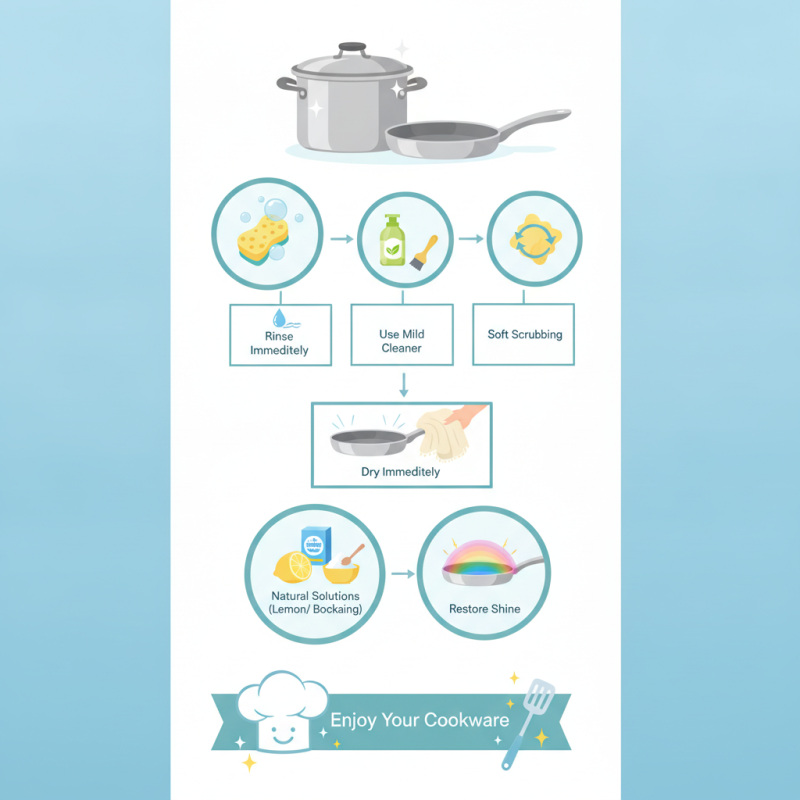
Step-by-Step Guide to Safely Clean Stainless Steel Cookware
Stainless steel cookware is a staple in many kitchens. However, keeping it clean can be a challenge. With the right techniques, you can restore your cookware’s shine. A study from the American Cleaning Institute indicates that using the correct cleaning method is essential to prevent damage.
Start by rinsing your stainless steel cookware with warm water. This helps to remove food residue easily. Then, apply a small amount of mild dish soap. A soft sponge is perfect for scrubbing without scratching the surface. It’s crucial to avoid using steel wool, as it can leave tiny scratches.
For stubborn stains, creating a paste of baking soda and water can work wonders. Apply the paste, let it sit for a few minutes, and scrub gently. Rinse thoroughly. The Science of Clean report suggests that baking soda is effective due to its mild abrasive properties.
After cleaning, drying your cookware promptly is important to avoid water spots. Use a soft cloth to wipe it down. Sometimes, despite our best efforts, marks remain. Regular maintenance is key, and even professionals admit that ensuring your cookware stays pristine takes time and patience.
Preventative Care Tips to Maintain Stainless Steel Cookware Longevity
Stainless steel cookware is a popular choice for many kitchens. Proper maintenance ensures longevity and performance. To keep your cookware in top shape, preventative care is essential. A survey by the International Cookware Association found that 67% of users experience discoloration and scratches due to improper cleaning methods.
Using harsh abrasive cleaners can damage the surface. Instead, opt for gentle cleaning solutions. Vinegar and baking soda are effective yet gentle. Applying a paste of these ingredients works well for tougher stains. After cleaning, rinse thoroughly with warm water to eliminate residue. Avoid using scouring pads, which can cause micro-scratches, visibly impacting the cookware's appearance.
Furthermore, the way you store your cookware matters. Stacking pots and pans can lead to scratches. Instead, consider using soft liners between pieces. This simple measure adds years to your cookware’s life. An estimated 80% of users do not practice safe storage techniques. Taking care of the little details can help retain your kitchen's aesthetic appeal while ensuring high performance in your culinary endeavors.
Cleaning Stainless Steel Cookware Effectiveness
FAQS
: A gentle sponge or microfiber cloth is ideal. It prevents scratches while effectively removing grime.
Use baking soda mixed with water. Apply the paste and let it sit for a few minutes before scrubbing.
Avoid abrasive cleaners. They can ruin the shiny finish and damage the cookware's surface.
A mixture of vinegar and water can help restore the luster. Rinse well after cleaning to remove residues.
Regular maintenance is important. However, even with care, cookware can show wear over time.
Avoid stacking pots directly. Use soft liners between them to avoid scratches and keep them in good condition.
Many users use improper cleaning methods. This can lead to discoloration and scratches.
It's better to avoid scouring pads. They can cause micro-scratches and harm the appearance of your cookware.
Reflecting on your cleaning technique and consistency helps. Every little adjustment adds to the lifespan of your cookware.
Taking care of details impacts both performance and appearance, enhancing your kitchen's overall look.
Conclusion
Cleaning stainless steel cookware properly requires an understanding of its unique properties and common issues that may arise, such as discoloration and stubborn stains. These stains often result from cooking residues, which can be effectively addressed with specific cleaning techniques. Familiarity with essential cleaning tools and supplies is crucial, as they facilitate the maintenance of your cookware's shine and performance.
To master how to clean stainless steel cookware properly, follow a step-by-step guide that emphasizes safe cleaning practices, including the use of mild detergents and non-abrasive scrubbers. Additionally, incorporating preventative care tips, such as avoiding high heat and immediate cleaning after use, can significantly enhance the longevity of your cookware. By adhering to these guidelines, you can enjoy your stainless steel cookware for years to come, keeping it in optimal condition.

