Choosing the right cookware can greatly impact your cooking experience and health. Among various options, stainless steel cookware often stands out. However, many home cooks wonder: "is stainless steel cookware safe for everyday cooking?" According to the World Health Organization, stainless steel is considered a safe material for food preparation and storage. It does not leach harmful chemicals into food, unlike some plastics.
Stainless steel is known for its durability and resistance to rust, making it ideal for daily use. A report from the National Sanitation Foundation highlights that proper maintenance can ensure the longevity and safety of stainless steel cookware. Many chefs prefer stainless steel for its ability to evenly distribute heat, which enhances cooking performance. However, it is essential to note that low-quality stainless steel can have undesirable effects, such as discoloration or food sticking to the surface.
Despite these concerns, a well-maintained stainless steel set can be a reliable choice. Users should ensure they select high-quality options, ideally meeting FDA standards. By investing in reputable brands, cooks can enjoy safer and more effective cooking experiences. Ultimately, the question remains: how will you choose your cookware?
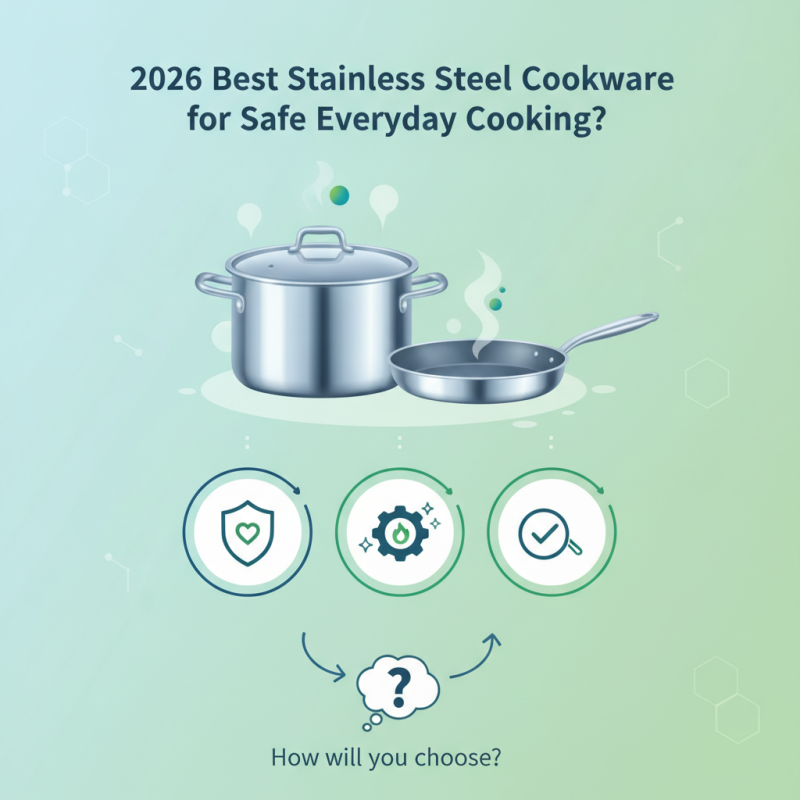
Stainless steel cookware has become a staple in many kitchens. It combines durability with a sleek design. This type of cookware offers excellent heat conductivity, allowing for even cooking. Unlike non-stick pans, stainless steel does not chip or scratch, ensuring a longer lifespan. Many users appreciate its resistance to rust and staining, making it easy to maintain.
Another benefit is versatility. Stainless steel cookware is safe for all cooking methods: gas, electric, or induction. It can also go from stovetop to oven, which is a significant advantage. However, it can be prone to sticking if not used correctly. Preheating the pan and using sufficient oil can minimize this issue. It’s essential to find the right cooking technique to avoid frustration.
Moreover, stainless steel is non-reactive. This means it won’t alter the flavor of acidic foods. That's a big plus for health-conscious cooks. While some may find stainless steel challenging initially, the learning curve pays off. Experimentation often leads to better results over time, making it a worthwhile investment for daily cooking.
When selecting stainless steel cookware, several key features are crucial. The quality of the steel matters. Look for 18/10 stainless steel, which is durable and resistant to rust. This type also offers better corrosion resistance and food safety.
Heat conductivity is also important. Cookware with an aluminum or copper core distributes heat evenly. An unevenly heated pan can lead to burnt spots or undercooked food.
Check the handle design too. Comfortable, heat-resistant handles provide better control while cooking.
Weight is another factor to consider. A heavier pot often means better heat retention. However, it should not be too heavy to handle. Look for a balance that feels right for you. And remember, while stainless steel is safe, it can lose its shine over time. An investment in quality cookware is an investment in your cooking.
In 2026, finding the best stainless steel cookware is crucial for everyday cooking. Stainless steel is known for its durability and even heat distribution. It is an excellent choice for professionals and home cooks alike. When investing in cookware, consider its performance and safety.
Several top brands stand out in the stainless steel category this year. These brands focus on quality materials and innovative designs. Look for cookware that has a solid construction, ensuring it can withstand daily use. A polished finish not only enhances aesthetics but also makes cleaning easier, which is a significant point for busy kitchens. Remember, some brands offer a limited lifetime warranty, reflecting their commitment to quality.
While shopping, be cautious about pricing. Lower prices may signal compromises in materials or construction. It's essential to weigh the cost against durability and safety features. Not all stainless steel cookware is created equal. Some may warp easily or have poor heat retention. Carefully assess reviews and expert opinions to ensure you're making an informed choice.
When selecting stainless steel cookware, understanding safety standards is crucial. Cookware materials should meet specific safety certifications to ensure they are suitable for everyday use. Look for indicators such as FDA approval or LFGB certification. These marks demonstrate that the cookware has undergone stringent safety assessments.
Moreover, consider the production process. Cookware manufactured without harmful chemicals or coatings is safer for cooking. Pay attention to the thickness of the stainless steel. Thicker materials generally provide better heat distribution, reducing the risk of hot spots. Also, check for proper joints and handles. Poorly constructed items may compromise safety during cooking.
The challenge is distinguishing between genuine and misleading certifications. Not every label guarantees safety. Some products claim to be eco-friendly without third-party verification. Therefore, research manufacturers and read user reviews. Gathering experiences from other cooks can offer insights into the true performance of the cookware.
| Cookware Type | Material Grade | Safety Rating | Durability | Heat Conductivity | Eco-Friendly Certification |
|---|---|---|---|---|---|
| Saucepan | 18/10 Stainless Steel | A | High | Excellent | Yes |
| Frying Pan | Grade 304 | A+ | Very High | Good | Yes |
| Stock Pot | 18/10 Stainless Steel | A | High | Excellent | Yes |
| Baking Sheet | Grade 430 | B+ | Medium | Good | No |
| Dutch Oven | 18/10 Stainless Steel | A+ | Very High | Excellent | Yes |
Stainless steel cookware is known for its durability and longevity. To ensure your cookware maintains its best qualities, proper care and maintenance are essential. Start by washing your pots and pans with warm, soapy water after each use. Avoid using abrasive sponges, as they can scratch the surface. Instead, opt for non-abrasive cloths for gentle cleaning.
Dry your cookware immediately to prevent water spots. Heat a small amount of oil in the pan before cooking to create a non-stick effect. This simple trick can reduce food from sticking and make cooking more enjoyable. It's important to note that stainless steel can discolor over time. This is often a result of high heat exposure or acidic foods.
To restore the shine, use a mixture of vinegar and baking soda. Apply gently, and don’t scrub too hard. Reflecting on your cooking habits may reveal areas for improvement. Are you using the right temperature settings? Cooking on too high heat can warp your cookware, making it less effective. Small adjustments can lead to better results in the kitchen while preserving your stainless steel cookware for years to come.
: Stainless steel cookware is durable, offers excellent heat conductivity, and does not chip or scratch. It's also resistant to rust and staining.
Yes, it is safe for gas, electric, and induction cooking. It also goes from stovetop to oven.
Preheat the pan and use sufficient oil to minimize sticking. Finding the right technique is crucial.
No, stainless steel is non-reactive and won’t alter food flavors, making it a good choice for health-conscious cooks.
Wash with warm, soapy water and avoid abrasive sponges. Use non-abrasive cloths for cleaning to avoid scratches.
Use a mixture of vinegar and baking soda to restore the shine. Apply gently and avoid scrubbing too hard.
High heat can warp the cookware and reduce its effectiveness. Adjusting temperature settings can improve results.
Dry the cookware immediately after washing to prevent water spots. Regular care can extend its lifespan.
Stainless steel cookware has become a popular choice for everyday cooking due to its durability, resistance to rust, and non-reactive nature. When considering whether stainless steel cookware is safe for everyday cooking, it’s important to look at key features such as heat conductivity, ease of cleaning, and the presence of safety certifications. Choosing quality stainless steel cookware not only ensures a reliable cooking experience but also adheres to necessary safety standards.
In addition to selecting the right cookware, proper care and maintenance play a crucial role in prolonging its lifespan. Regular cleaning and following manufacturer guidelines can help maintain the cookware's shine and performance. With the right features and careful use, stainless steel cookware continues to be a safe and effective choice for any kitchen in 2026.